As vacancy rates tighten and regulation expands, Los Angeles property investors face a new calculus—one that's forcing a reckoning between yields and tenant retention.
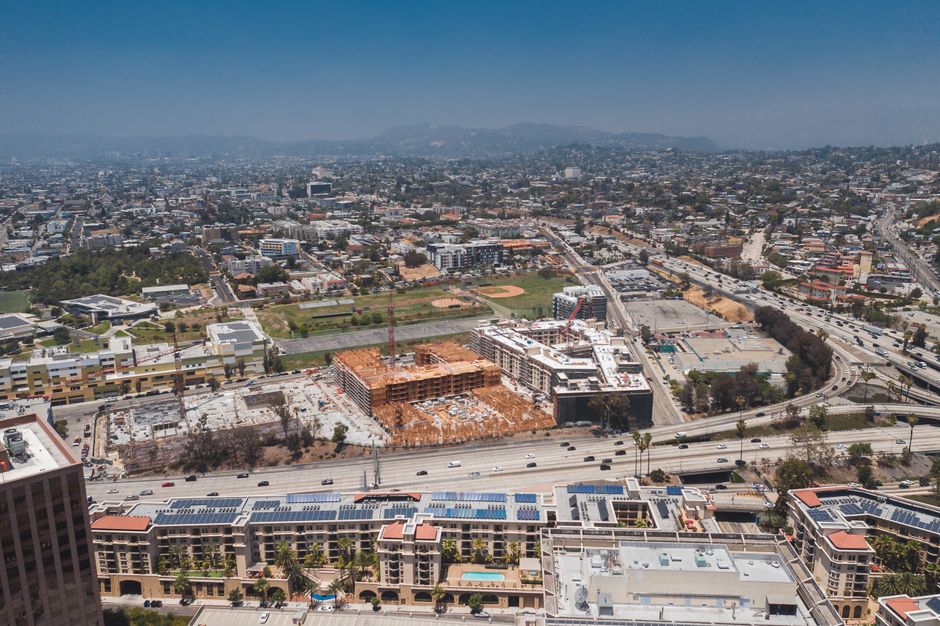
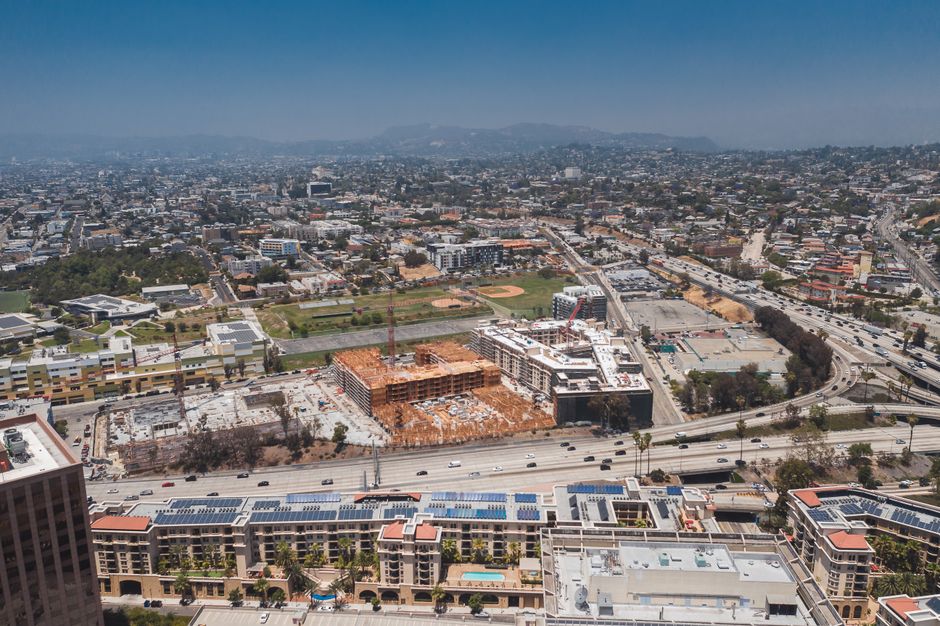
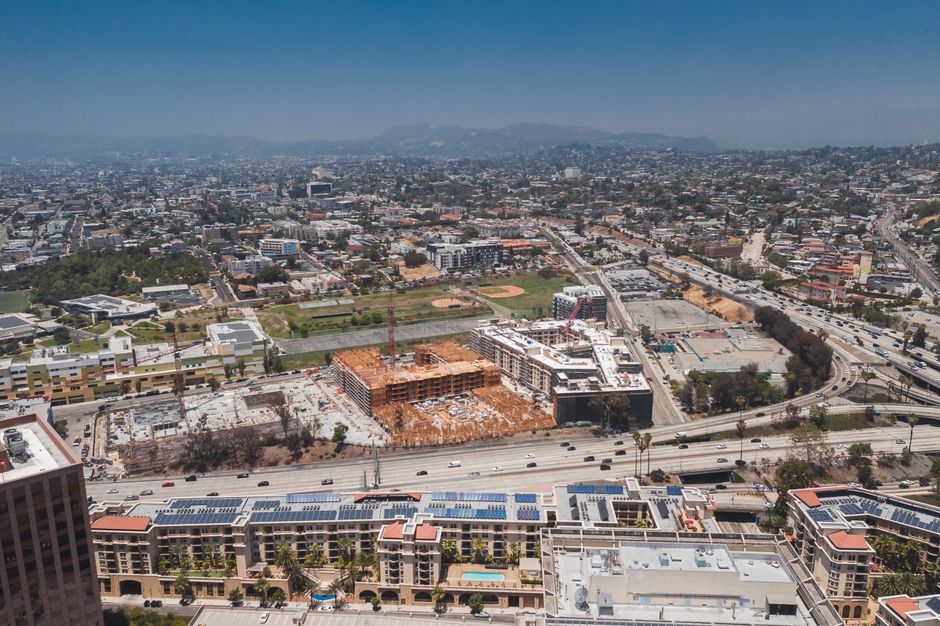
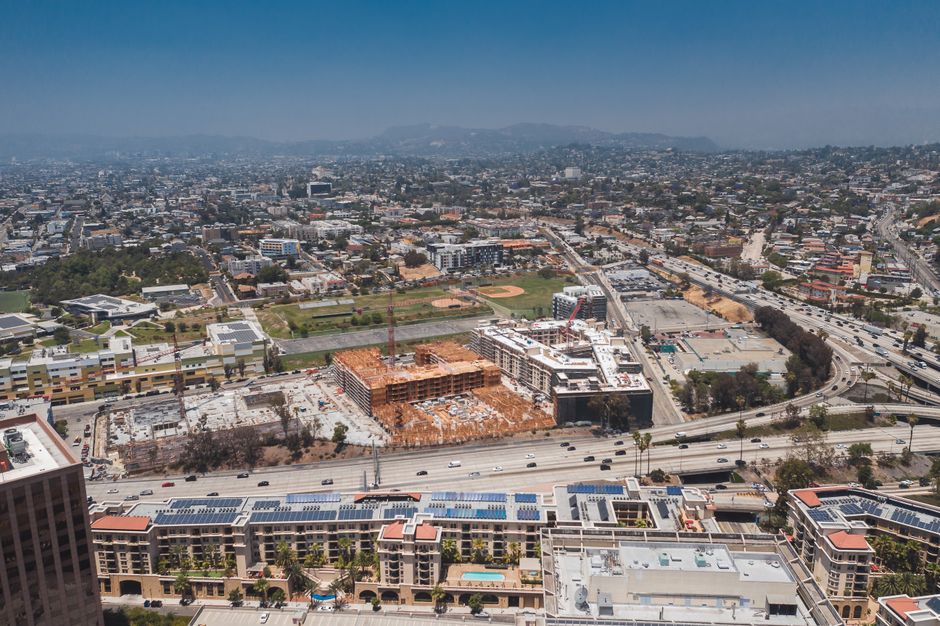
As developers break ground on high-density residential and commercial projects across the city, long-time residents and planners grapple with transformation—and opportunity.
As vacancy rates tighten and tenant protections evolve, Los Angeles neighbourhoods face a new equilibrium that's forcing both property owners and renters to recalibrate.
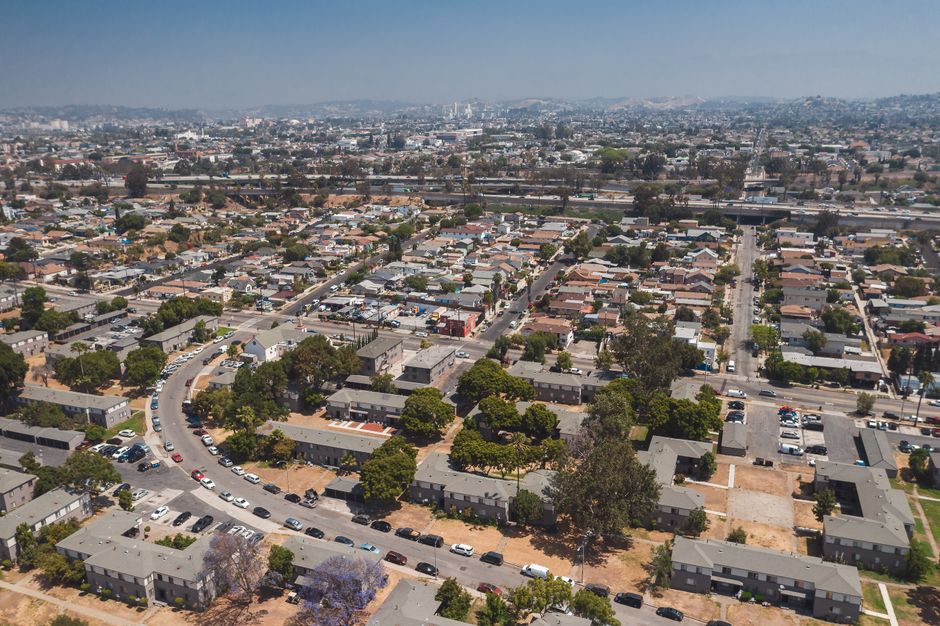
Savvy landlords and institutional investors are pivoting east as East LA's historic neighbourhood offers strong rental yields and demographic tailwinds that rival Silver Lake at a fraction of the cost.
Rising approvals across Silver Lake, East LA and Hollywood are pushing yields higher, but the numbers reveal a market split between trophy assets and mainstream rentals.
Vacancy rates near historic lows across Los Angeles neighbourhoods are pushing rents higher, but savvy investors are discovering that headline yields mask a more complex picture.
Recent sales patterns across Silver Lake, East LA and the San Fernando Valley reveal where the market's real momentum is shifting—and where valuations are finally cooling.
As premium properties from Hollywood Hills to Silver Lake command record rents, landlords face rising compliance costs while tenants grapple with affordability crises even at the wealthy end of the market.
Once overlooked, this East LA neighbourhood is attracting young buyers with median prices 30% below the city average and expanded state financing programmes.
As the city's median home price hovers near $870k, rising rents and limited supply are reshaping the investor playbook across Silver Lake, East LA, and beyond.
Market cooling in Silver Lake and Echo Park, combined with rising grant accessibility, suggests a narrow but genuine window for entry-level purchasers.
As social housing projects across East LA and South Los Angeles hit financial milestones, institutional investors are discovering that 2–4% yields can compete with traditional real estate—if the policy framework holds.
As ownership costs soar beyond the $870k median, a growing number of Angelenos are locked into an increasingly hostile rental market where neither side is winning.