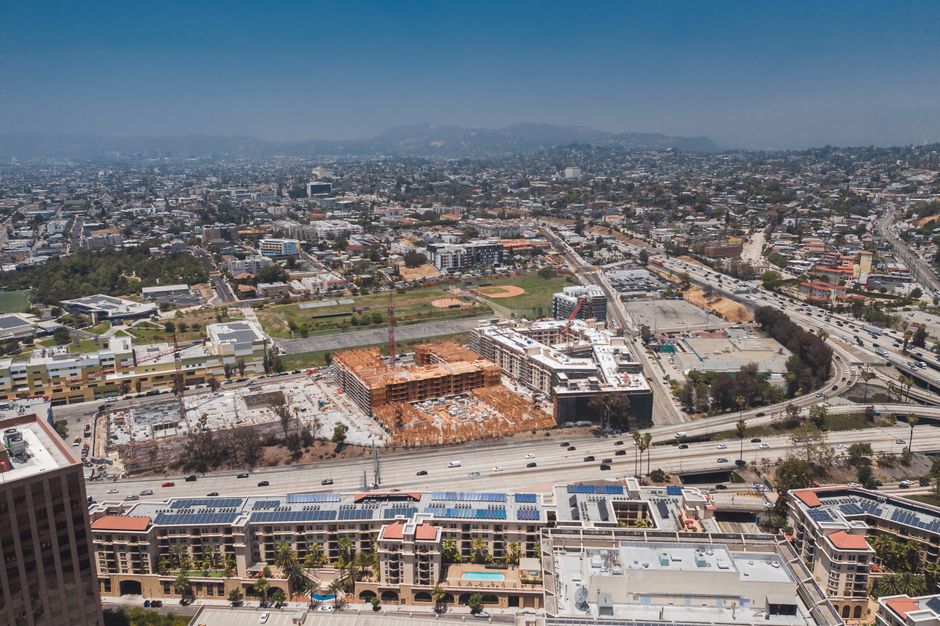
Los Angeles's building approval pipeline has accelerated sharply over the past 18 months, and investors are finally seeing tangible returns on their capital—though the story varies dramatically depending on where you build.
Fresh Department of City Planning data shows residential construction permits jumped 34% year-over-year through Q2 2026, with concentrated growth in three corridors: Silver Lake and Echo Park, East Los Angeles along Whittier Boulevard, and Hollywood Hills adjacent developments. For investors, the arithmetic is revealing.
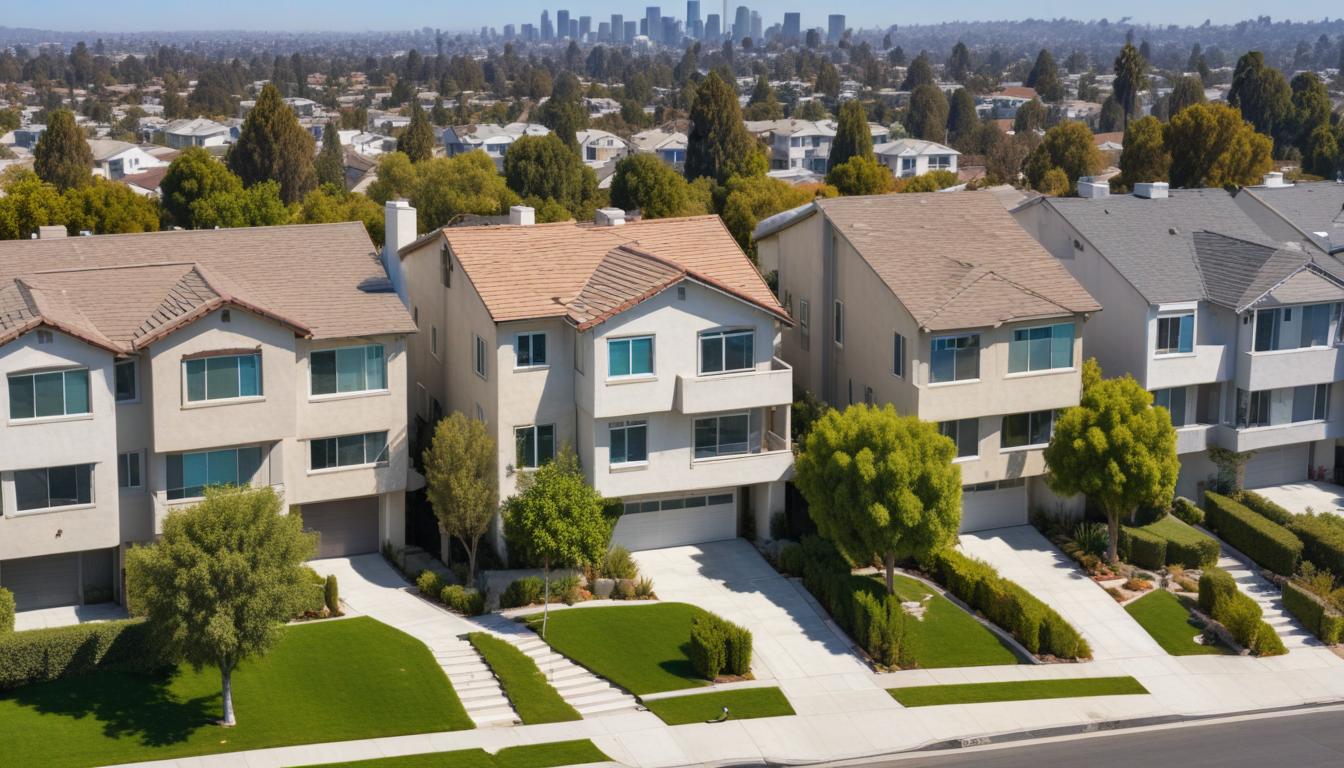
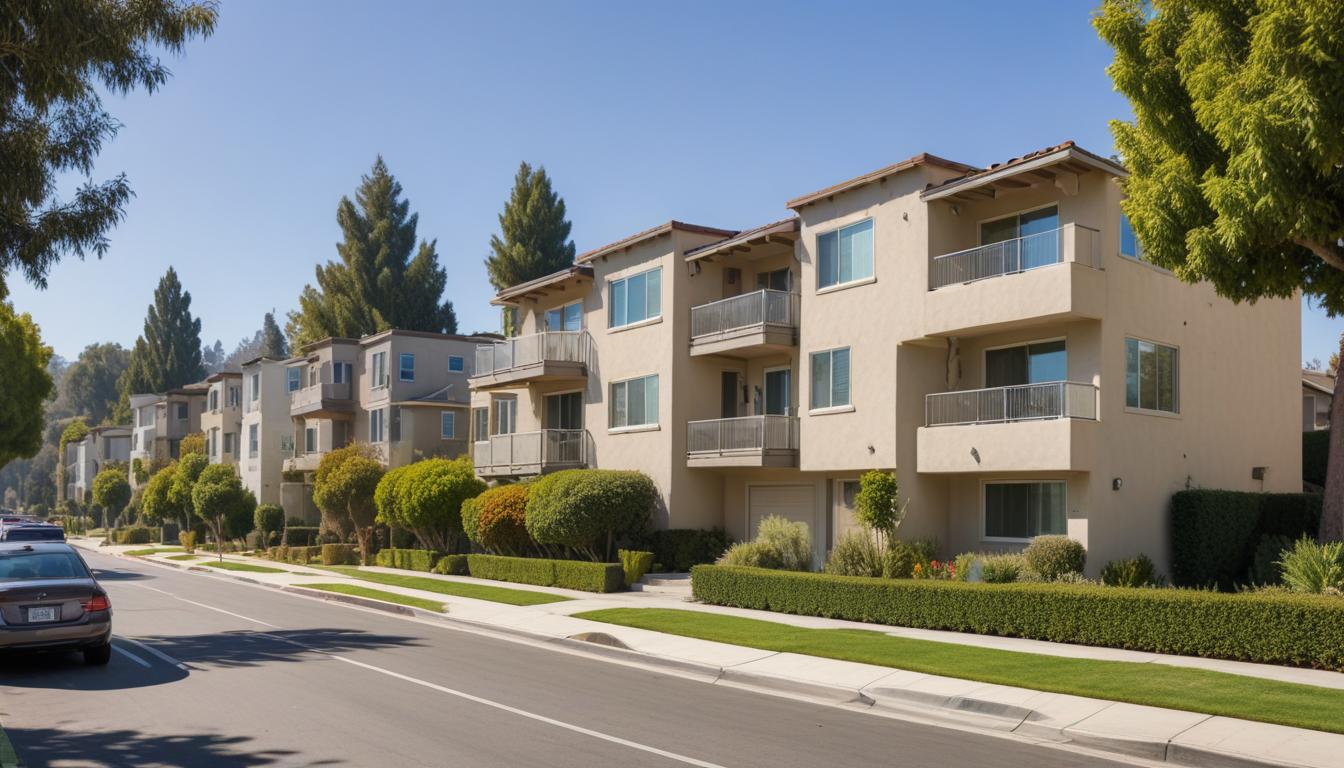
In Silver Lake, where the median home price sits around $1.2 million, new mid-rise apartments targeting young professionals are capturing rents between $2,800 and $3,400 per unit monthly. A 45-unit development that broke ground last October on Sunset Boulevard is projecting stabilized yields of 4.8% gross annual returns—modest by historical standards, but acceptable given the neighbourhood's 7.2% year-over-year appreciation. For patient capital, the play is appreciation, not immediate cashflow.
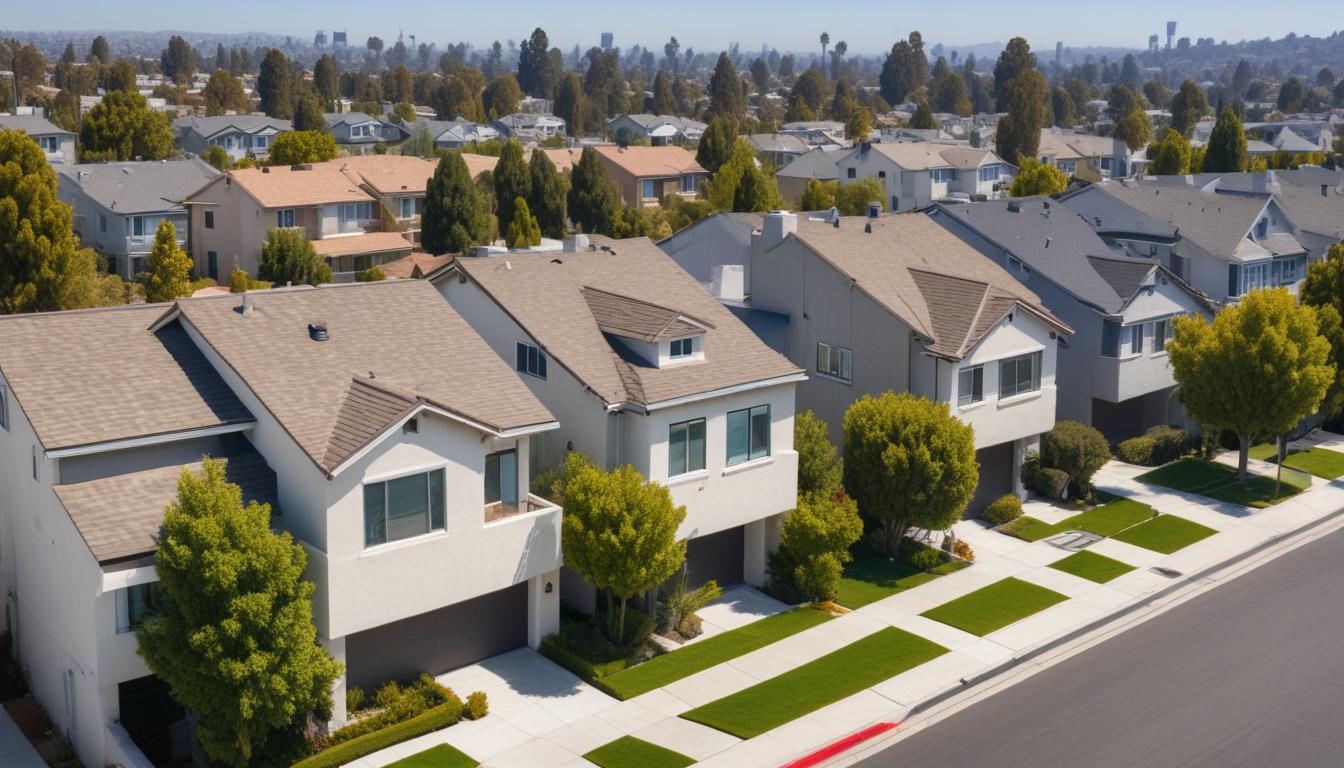
East LA tells a different story. Approvals for multi-family projects in Boyle Heights and along Whittier Boulevard have tripled since the ADU boom legitimised infill development. Studios and one-bedrooms are leasing at $1,600–$1,900, yielding closer to 6.2% gross returns on acquisition costs averaging $480,000 per unit. Investors here are seeing income compete with growth, attracting both buy-and-hold operators and smaller institutional players.
The luxury segment—Hollywood Hills, Bel Air adjacencies, and Sunset Strip—remains supply-constrained and approval-resistant. Gated estates and ultra-premium rentals ($8,000–$15,000 monthly) deliver lower percentage yields but astronomical absolute dollar returns and hedge against currency volatility, particularly attracting foreign capital.
What's shifted is velocity. The city's streamlined approval process for projects meeting affordability thresholds has reduced entitlement timelines from 24 months to 14–16 months in many cases. For equity investors, this compression reduces carrying costs and accelerates first-cash-flow moments by roughly 18 months—a material difference when capital is priced at 8–9% cost.
Market observers caution that these returns assume stable interest rates and rental demand. A 150-basis-point rate rise would reset yield expectations downward by 40–60 basis points across all segments. Still, with LA's median home price holding firm at $870,000 and rental demand outpacing supply by an estimated 12%, developers' project pipelines suggest investor appetites remain robust through 2027.
The variance in returns, however, suggests a market increasingly bifurcated: aspirational neighbourhoods trading on appreciation; affordable-leaning infill capturing yield; and luxury assets functioning as capital reserves. Investors must choose their thesis carefully.
This article was compiled by AI from the sources linked above and screened before publishing. See our editorial standards.