Why Savvy LA Landlords Are Watching New Development Projects Like Hawks
As mixed-use complexes reshape East LA and Silver Lake, property investors are recalculating yields and positioning themselves for the next cycle.
As mixed-use complexes reshape East LA and Silver Lake, property investors are recalculating yields and positioning themselves for the next cycle.
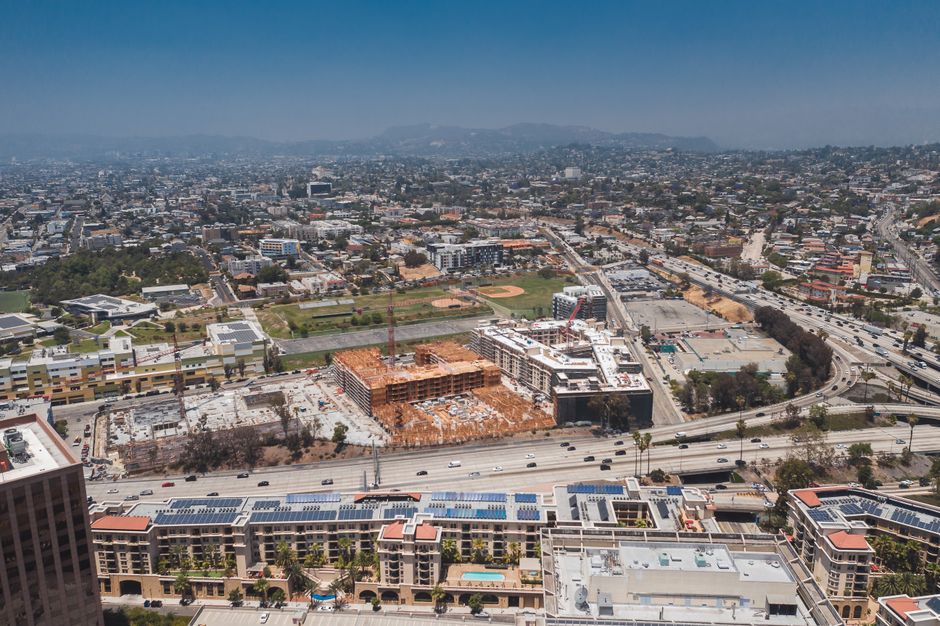
Los Angeles property investors have long operated on a simple principle: follow the development. And right now, that trail is leading east and upward, as new mixed-use projects reshape rental yields across the city.
The arithmetic is compelling. While LA's median home price hovers near $870,000, savvy landlords are recognizing that new construction clusters—particularly along the Eastside—are creating pockets of elevated rental demand. The proliferation of ADUs across neighborhoods like Echo Park and Silver Lake has already tightened supply, but larger master-planned developments are doing something different: they're attracting tenants whose expectations, and rent-paying capacity, exceed traditional neighborhood benchmarks.
Consider the economic ripple effects. When a significant mixed-use project breaks ground in East LA—combining retail, office, and residential—it doesn't just house people. It establishes anchor tenants, improves transit perception, and typically increases foot traffic that benefits surrounding rental properties. Investors who own modest apartment buildings or converted homes within a quarter-mile radius often see rent growth outpace citywide averages within 18-24 months.
The data supports this patience. Properties near recently completed or under-construction projects in neighborhoods like Boyle Heights and Lincoln Heights have experienced yield improvements, particularly for units marketed to younger professionals drawn by employment hubs and cultural amenities. Even traditionally softer markets show signs of uplift when major development is announced.
But there's a counterpoint worth considering. New developments can also canibalize existing stock. A gleaming 250-unit apartment complex on Figueroa Street doesn't simply add housing—it competes directly with older buildings. Landlords in those buildings must decide: upgrade and reposition upmarket, or accept compression on rents as tenants gravitate toward newer amenities.
For property investors, the lesson is tactical: map proposed developments in your target neighborhoods. Speak with planning departments at Los Angeles City Hall or check the Department of City Planning's project pipeline. Look at zoning changes, transit improvements, and anchor tenants. These signals—often appearing 12-18 months before shovels hit ground—can guide acquisition strategy before prices fully adjust.
The ADU boom has already demonstrated this principle locally. Early adopters in Silver Lake and Los Feliz captured outsized returns before the market standardized pricing. Today's equivalent might be positioning near emerging mixed-use corridors on the Eastside, or anticipating Hollywood's ongoing repositioning as office-to-residential conversion accelerates.
The question isn't whether to watch development. It's whether you're watching far enough ahead.
This article was compiled by AI from the sources linked above and screened before publishing. See our editorial standards.
How does this story make you feel?
Spread the word
About this article
Published by The Daily Los Angeles
Daily brief
Free, in your inbox before 7am. Weekdays.
More in Property