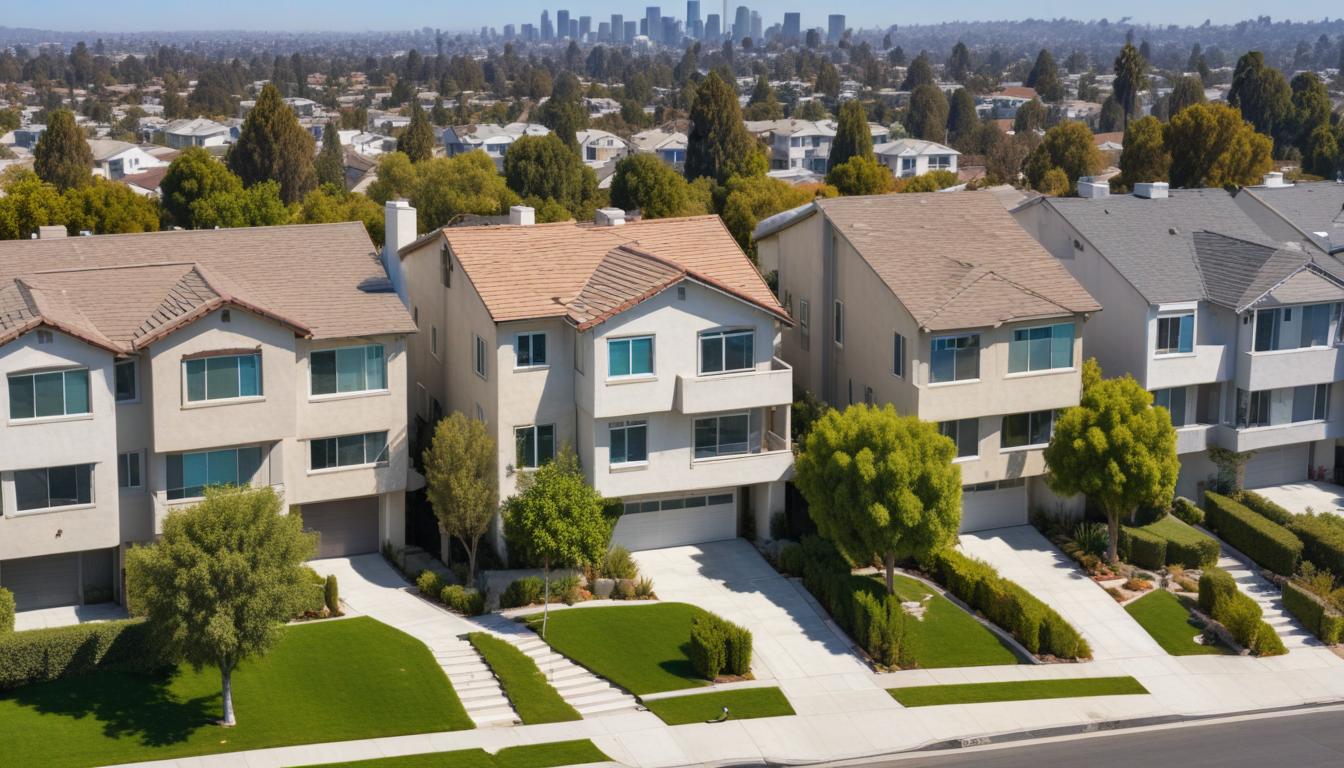
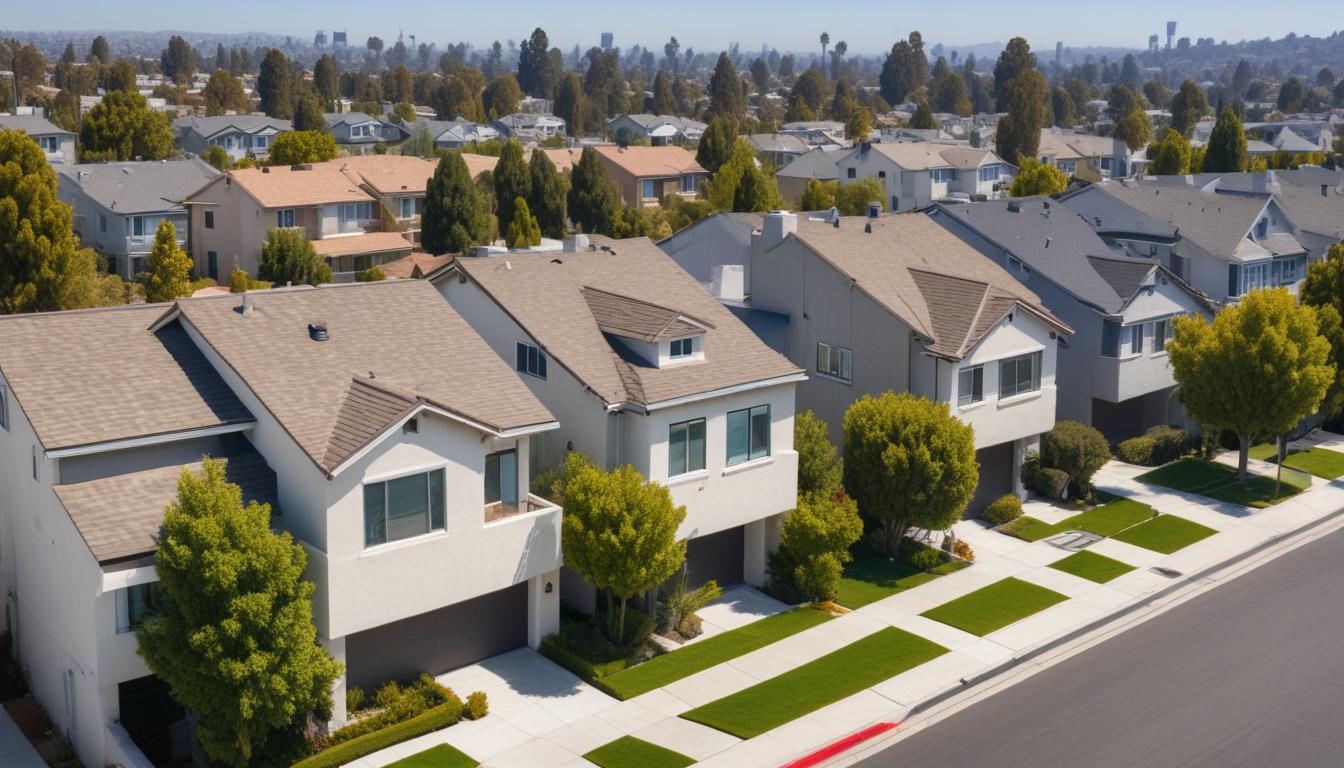
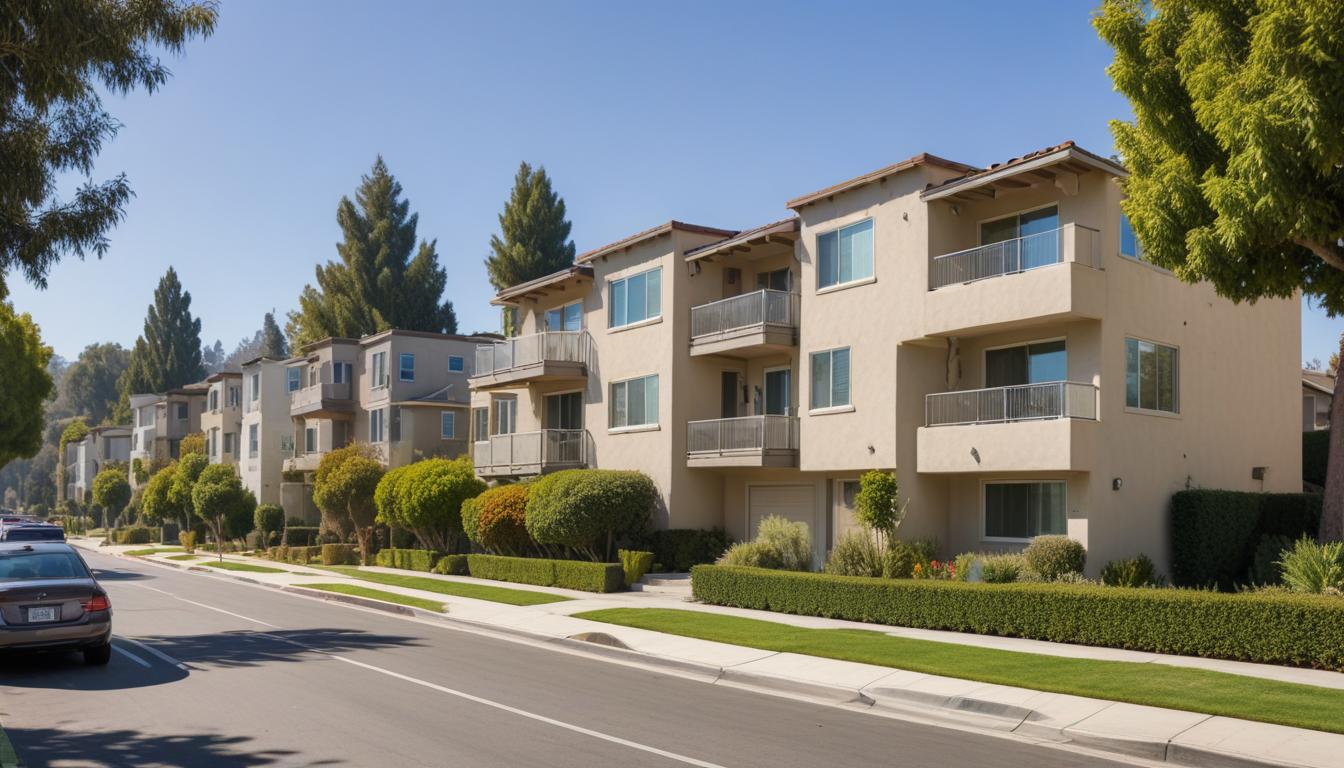
Caught in the Middle: How LA's Rental Squeeze Is Testing Both Tenants and Landlords
As ownership costs soar beyond the $870k median, a growing number of Angelenos are locked into an increasingly hostile rental market where neither side is winning.
As ownership costs soar beyond the $870k median, a growing number of Angelenos are locked into an increasingly hostile rental market where neither side is winning.
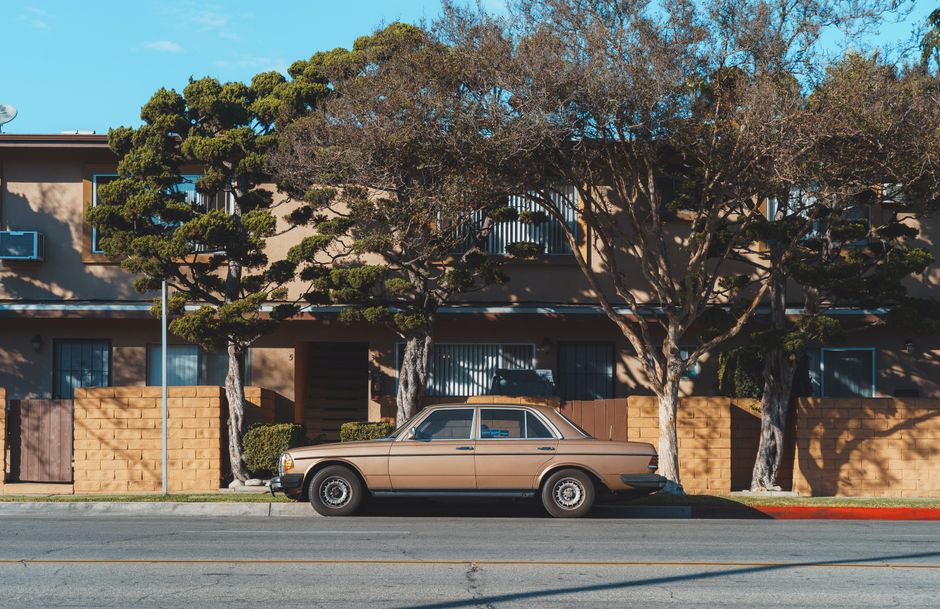
Walk along Franklin Avenue in Hollywood or scan Craigslist for a two-bedroom in Silver Lake, and you'll find a market in crisis. Los Angeles renters face an unforgiving landscape: median rents have climbed to levels that consume 40 percent or more of household income, while small landlords—the backbone of LA's rental stock—grapple with rising property taxes, maintenance costs, and eviction protections that make yields razor-thin.
The squeeze is most acute in transit-adjacent neighbourhoods. In Echo Park, where a modest single-family home now commands upward of $1.2 million, landlords who purchased decades ago at vastly lower prices face property tax increases following any sale or refinance. Meanwhile, their tenants—teachers, nurses, service workers—increasingly look east toward Boyle Heights and East LA, where growth in new units has been more robust, yet still fails to match demand.
For long-time property owners, the math has become brutal. A landlord in Los Feliz might generate $2,500 monthly rent on a property worth $950,000. After property taxes (roughly $10,000 annually), insurance, repairs, and property management fees, profit margins hover near zero. Los Angeles's Tenant Protections Ordinance, while essential for vulnerable renters, has discouraged some small investors from maintaining buildings or adding units. The unintended consequence: fewer available rentals and higher prices for those that remain.
Tenants, meanwhile, face a different crisis. Household formation has stalled as young professionals delay moving out or leave for Austin, Phoenix, or San Diego where rental-to-ownership ratios are more forgiving. Those who stay in established neighbourhoods like Los Feliz and Silver Lake pay $2,200 for a one-bedroom—prices that rival early-career homeownership payments in many American cities.
The ADU boom offers a glimmer of hope. East LA and the San Fernando Valley have seen explosive growth in accessory dwelling units, offering landlords additional revenue streams and tenants cheaper alternatives. Yet regulatory hurdles, contractor availability, and construction costs have slowed adoption below potential.
Community organisations working across LA—from tenant advocacy groups to small landlord associations—argue that the path forward requires balanced policy: streamlined permitting for new construction, targeted relief for small property owners, and rent stabilisation that doesn't sacrifice housing supply. Without intervention, LA's rental market risks becoming a permanent two-tier system where only the wealthy secure stability, and everyone else perpetually moves.
This article was compiled by AI from the sources linked above and screened before publishing. See our editorial standards.
How does this story make you feel?
Spread the word
About this article
Published by The Daily Los Angeles
Daily brief
Free, in your inbox before 7am. Weekdays.
More in Property