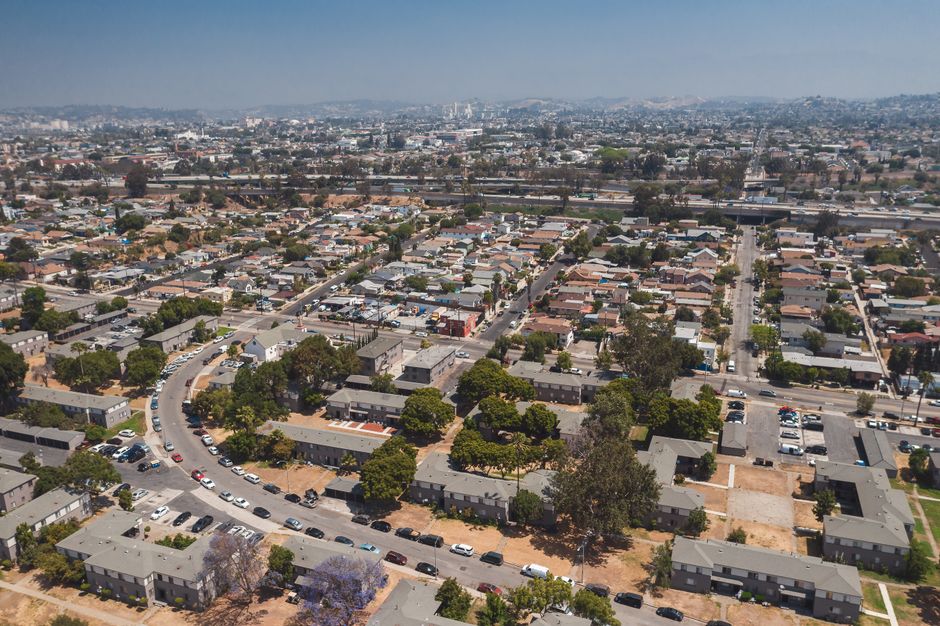
While Silver Lake and Echo Park continue to dominate LA's property conversation, a quieter shift is reshaping the city's investment landscape. Boyle Heights—the dense, historically Latino neighbourhood stretching east from the Arts District toward the San Gabriel Valley—has emerged as an unlikely darling for rental investors, buoyed by tightening vacancy rates and a demographic profile that promises sustained tenant demand.
Current figures tell a compelling story. Across Los Angeles County, rental vacancy has hovered near 4.2% in early 2026, the lowest in eight years. But in Boyle Heights, vacancy sits closer to 2.8%, according to local property management associations. That scarcity is driving rents upward: a one-bedroom apartment on Whittier Boulevard now commands $1,650 monthly, up 18% from two years ago. By contrast, similar units in Echo Park fetch $2,100—a premium many investors can no longer justify.
The neighbourhood's transformation reflects broader demographic and infrastructure trends. The Gold Line extension, reaching completion in 2024, has reshaped commute times for workers across Downtown, Pasadena, and the San Gabriel Valley. Young professionals and families seeking affordable proximity to employment hubs are increasingly choosing Boyle Heights over pricier westside alternatives. The median household income here has climbed to $48,000, reflecting an emerging middle-class base with stable rental capacity.
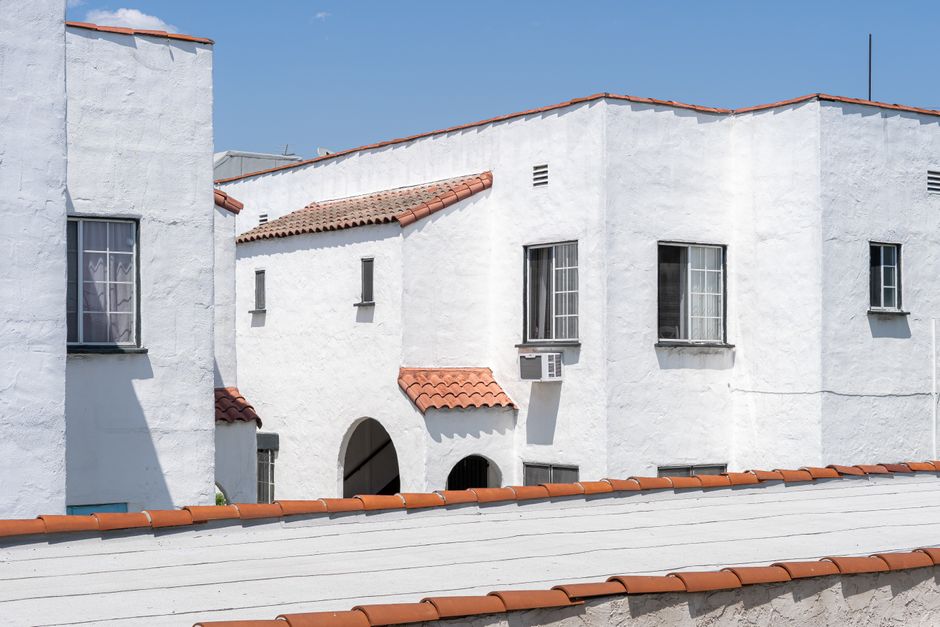
Property values reflect this moment. A typical 1920s Craftsman-style duplex near the Evergreen Cemetery—historically a modest investment—now trades between $950,000 and $1.2 million, compared to $1.8 million for equivalent stock in nearby Silver Lake. For investors seeking 5–6% gross rental yields, the mathematics are simply superior.
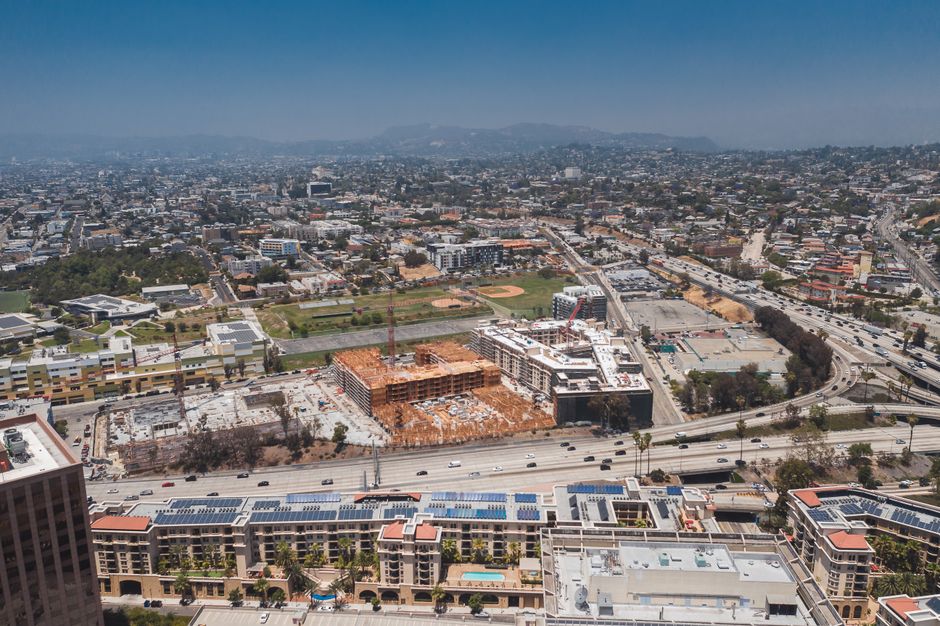
The neighbourhood is not without friction. Displacement concerns and community resistance to rapid gentrification remain acute. Local organizations like Boyle Heights Community Partners continue advocating for tenant protections and affordable housing preservation. Meanwhile, new mixed-use developments along Cesar Chavez Avenue and around the LA State Historic Park are reshaping the physical landscape, bringing restaurants, galleries, and cultural venues that appeal to younger renters.
For prospective landlords, the window may not remain open indefinitely. As institutional capital awakens to Boyle Heights' rental fundamentals—tight vacancy, rising rents, and transit accessibility—competition will intensify. Current conditions suggest a neighbourhood at an inflection point: no longer undiscovered, but not yet fully priced for its structural advantages.
This article was compiled by AI from the sources linked above and screened before publishing. See our editorial standards.