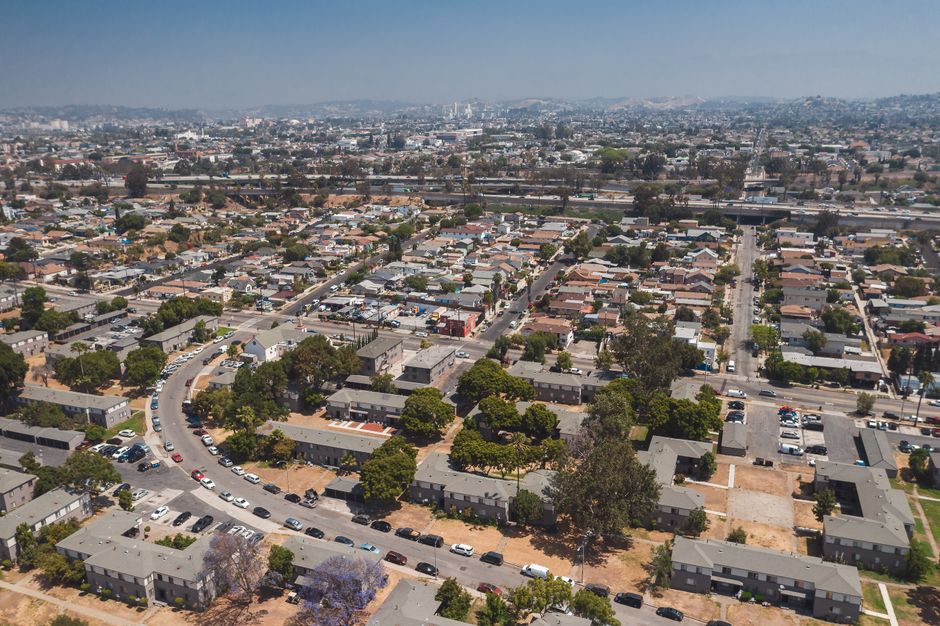
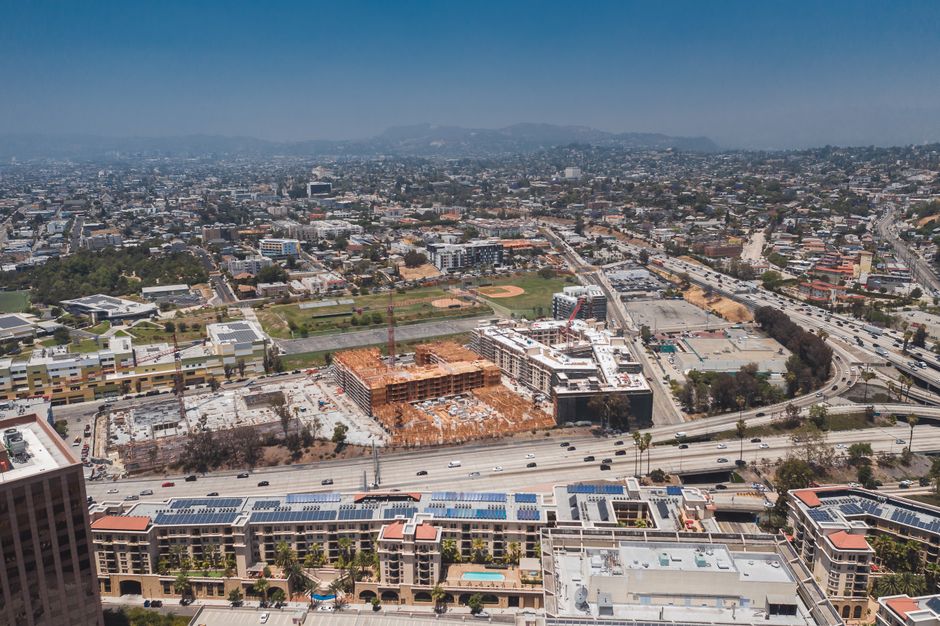
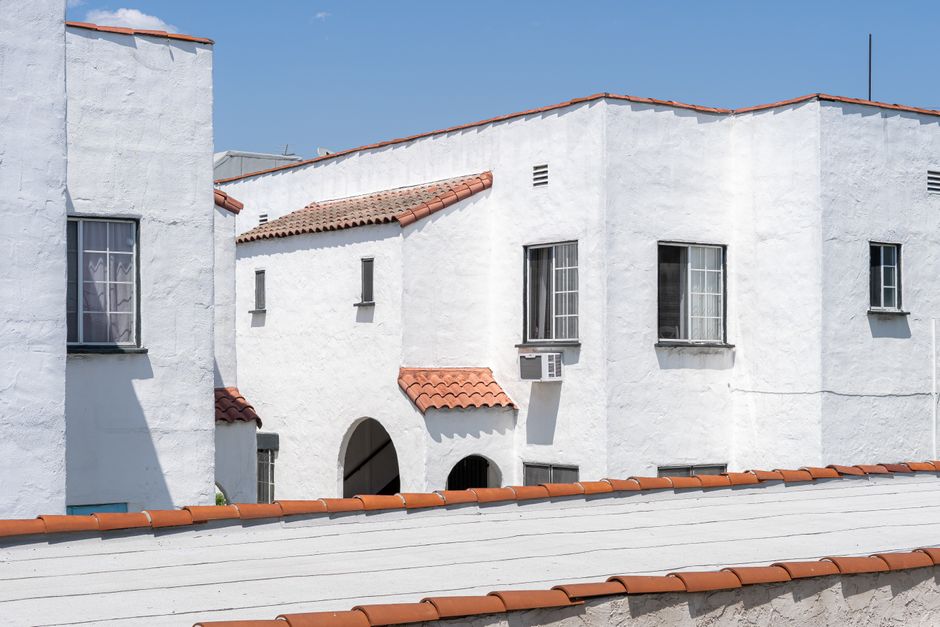
Los Angeles is in the grip of a construction surge that will fundamentally alter the physical and social landscape of neighborhoods across the city. From Silver Lake's tree-lined streets to East LA's historic corridors, new development projects are rising faster than some communities can adapt, raising critical questions about affordability, infrastructure, and neighborhood character.
The numbers tell a compelling story. The city has approved approximately 12,400 housing units across 47 major projects in the past eighteen months alone, according to city planning data. More than half incorporate ground-floor retail or commercial space, signaling a shift toward mixed-use development that planners hope will reduce car dependency and revitalize commercial districts.
In Silver Lake, where median home prices hover near $1.2 million, three significant projects are under construction along Sunset Boulevard and Glendale Avenue. A 185-unit residential tower near the Silver Lake Reservoir includes 25 percent affordable units—compliance with the city's updated affordable housing ordinance. Yet existing residents express concern about parking pressure on nearby streets and the loss of single-story buildings that have defined the neighborhood's character for decades.
East LA presents a different narrative. The Boyle Heights corridor is experiencing unprecedented development interest, with seven projects approved in the past two years totaling over 800 units. Developers cite improved transit connections via the Metro L Line and younger demographic demand. Local advocacy groups have negotiated community benefits agreements requiring job training programs and local hiring commitments.
The ADU phenomenon continues reshaping single-family neighborhoods. Echo Park has seen a 34 percent surge in secondary dwelling unit construction permits since 2024, as homeowners recognize accessory units as both investment opportunities and solutions to the region's housing crisis. Average ADU rents in the area now exceed $2,100 monthly—still below market-rate apartments but increasingly unaffordable for working-class Angelenos.
Industry observers note that approval timelines remain a critical constraint. Despite streamlined procedures for affordable and transit-oriented projects, entitlements still average 18 to 24 months. This delays housing supply response just as the median home price climbs past $870,000 citywide.
Planners emphasize that density alone doesn't solve affordability. Without aggressive land-use reform and continued public investment in transit and utilities, new projects risk concentrating benefits among investors while gentrifying surrounding blocks. The coming months will reveal whether LA's development boom translates into genuine housing access—or merely higher buildings above the same housing shortage.
This article was compiled by AI from the sources linked above and screened before publishing. See our editorial standards.