Why LA Investment Property Prices Keep Climbing—And What Savvy Buyers Must Know Now
As the city's median home price hovers near $870k, rising rents and limited supply are reshaping the investor playbook across Silver Lake, East LA, and beyond.
As the city's median home price hovers near $870k, rising rents and limited supply are reshaping the investor playbook across Silver Lake, East LA, and beyond.
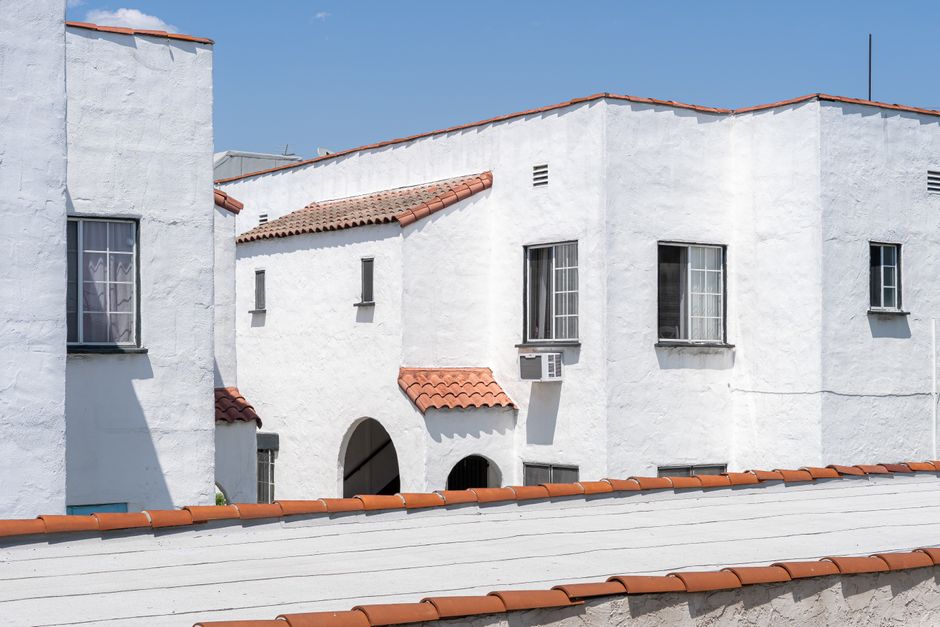
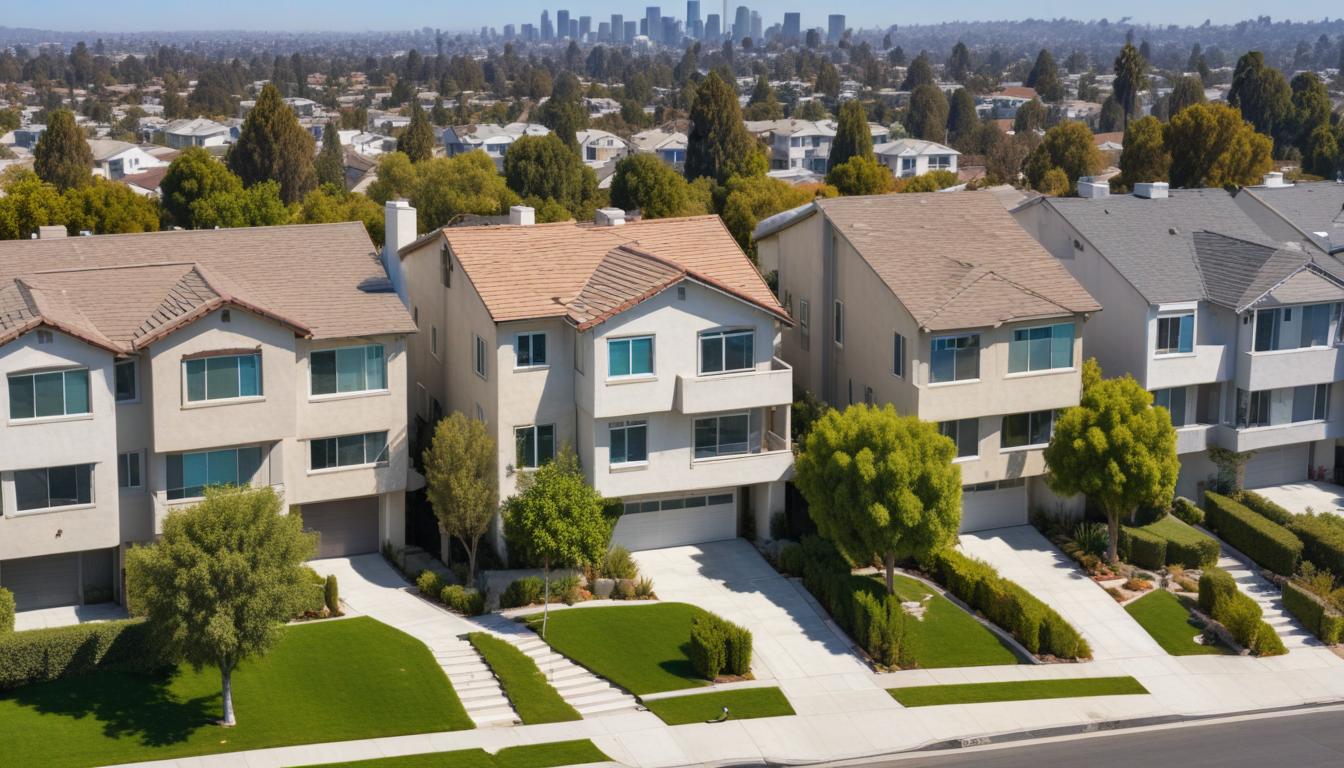
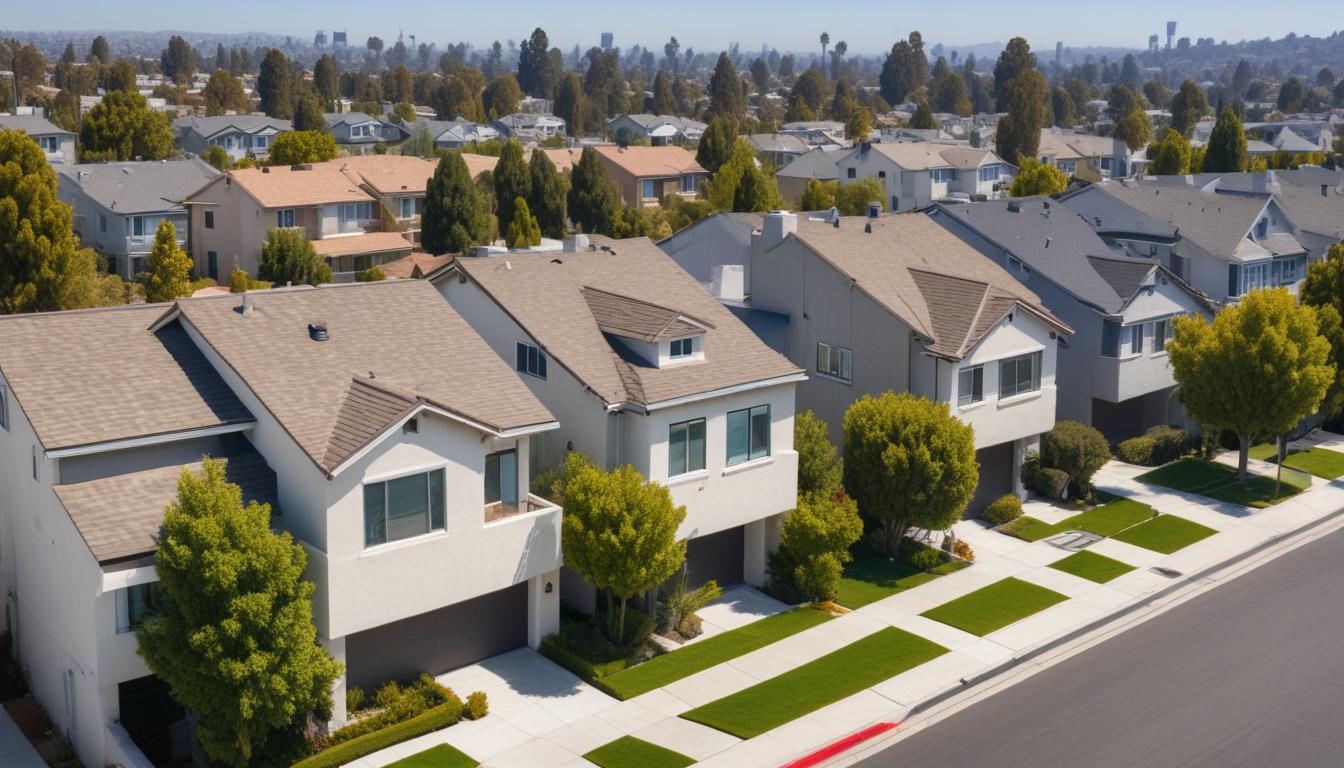
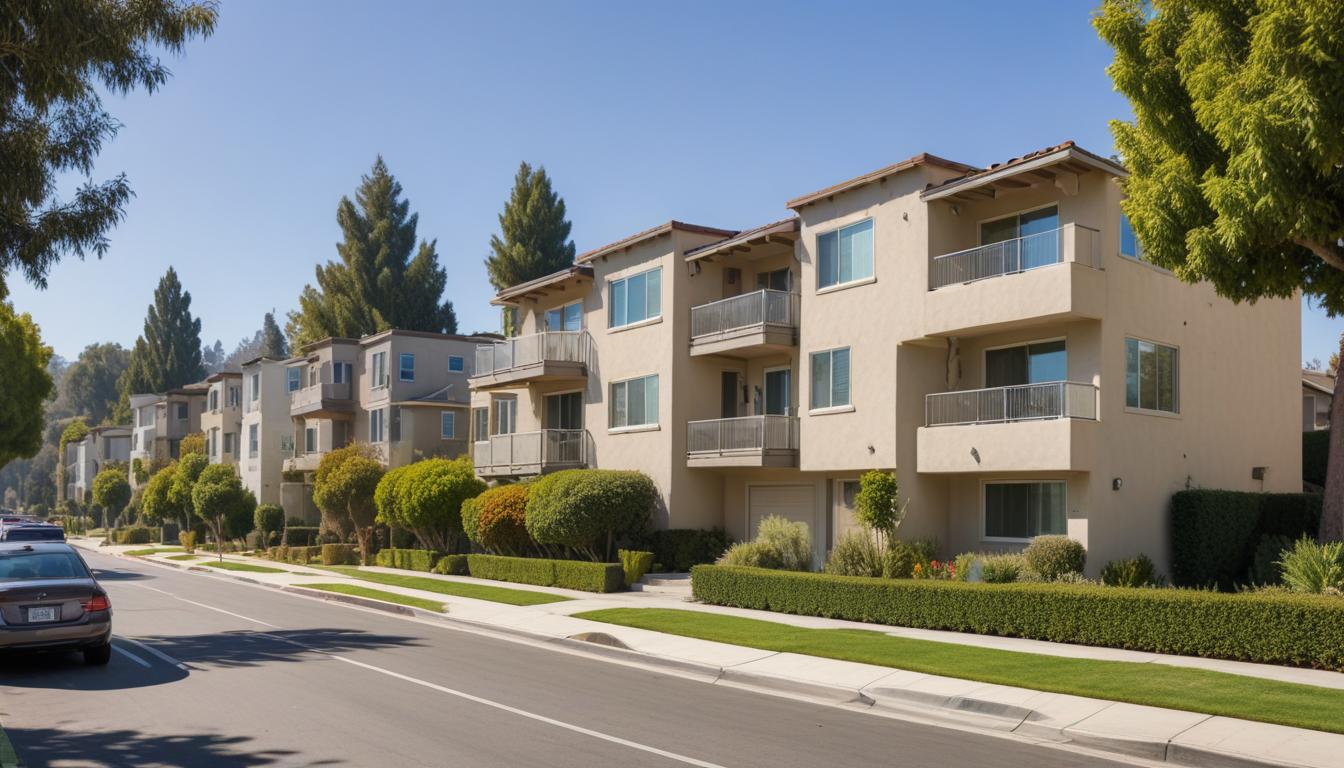
Los Angeles investment property yields remain stubbornly attractive even as headline prices climb, driven by a perfect storm of rental demand, limited housing stock, and persistent migration into the city. For landlords and prospective investors eyeing the market in mid-2026, understanding what's pushing prices—and the risks lurking beneath—has never been more critical.
The numbers tell a compelling story. While the city's median home price sits at $870,000, rental rates across neighborhoods like Silver Lake and Echo Park have outpaced wage growth, creating yield-hungry investors. In East LA, where median prices remain lower than westside equivalents, landlords are capturing gross yields of 5–6 percent in some pockets—a marked improvement from pandemic-era lows. Yet these figures mask a shifting landscape shaped by regulatory headwinds and demographic realities.
California's rental protections, including the statewide eviction moratorium's aftermath and local tenant-protection ordinances in Los Angeles proper, have reshaped investor calculus. Landlords purchasing multifamily properties along Sunset Boulevard or in emerging neighborhoods like Boyle Heights must factor in tighter rent-control caps and longer, costlier eviction timelines. These regulations have paradoxically pushed prices higher in less-regulated jurisdictions—pushing savvy investors toward municipalities with more favorable operating environments.
The accessory dwelling unit boom deserves attention too. As the city fast-tracks ADU approvals in neighborhoods from Hancock Park to Van Nuys, property values have risen in anticipation of rental upside. A single-family home with ADU potential now commands a 15–25 percent premium, according to recent market data. Investors banking on secondary income streams should verify zoning compliance carefully before purchasing.
What's driving prices now? Supply constraints remain paramount. New construction lags demand by a wide margin, and with interest rates stabilizing in the mid-5 percent range, cash buyers and 1031 exchange investors have returned with vigor. Commercial-to-residential conversions downtown and along the Arts District have also absorbed capital that might have gone to single-family rentals.
For buyers entering the market today, due diligence is non-negotiable. Budget for specialized Phase 1 environmental assessments—particularly in industrial-adjacent areas near the LA River or along Vernon Boulevard. Verify tenant occupancy history and rent rolls meticulously; a 3 percent vacancy rate in a seemingly prime location may signal turnover issues or rent-control friction.
The yield story remains compelling, but the margin for error has narrowed. Investors who grasp local regulatory nuance, anticipate neighborhood gentrification patterns, and execute disciplined underwriting will thrive. Others will find themselves overleveraged in a market where operational efficiency, not just price appreciation, determines success.
This article was compiled by AI from the sources linked above and screened before publishing. See our editorial standards.
How does this story make you feel?
Spread the word
About this article
Published by The Daily Los Angeles
Daily brief
Free, in your inbox before 7am. Weekdays.
More in Property