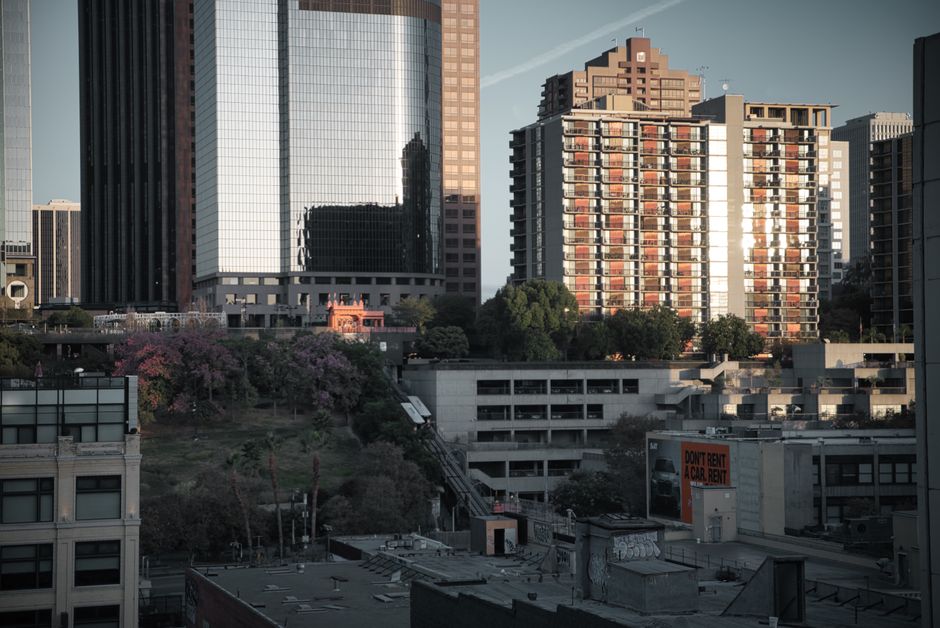
The rental landscape across Los Angeles is undergoing a quiet but significant transformation. In neighbourhoods stretching from Silver Lake's hipster-lined Sunset Boulevard to the increasingly gentrified corridors of East LA, landlords and tenants are navigating tighter market conditions that demand fresh thinking on both sides.
The median rent across Los Angeles now hovers near $2,200 monthly for a one-bedroom apartment, a modest stabilisation after years of explosive growth. This apparent cooling masks deeper shifts in specific pockets. Silver Lake and Echo Park, long magnets for young professionals, are experiencing vacancy rates below 3 per cent—a landlord's advantage that masks tenant anxiety about affordability. Meanwhile, neighbourhoods along the Gold Line corridor in Northeast LA—Pasadena, South Pasadena, and emerging areas around Lincoln Park—are seeing rental growth outpace wage increases, creating pressure on working families.
Los Angeles's tenant protection regulations, including the statewide Costa-Hawkins Rental Housing Act restrictions and the city's own rent stabilisation ordinance, have created a bifurcated market. Properties built before 1995 in certain zones operate under strict rent-increase caps of roughly 3 per cent annually, protecting long-term tenants but discouraging new investment. Newer construction and luxury units in Bel Air, Hollywood Hills, and along the Wilshire Corridor remain largely unregulated, attracting institutional investors and foreign capital but pricing out middle-income renters.
The accessory dwelling unit boom—spurred by state law changes permitting backyard units—is reshaping rental supply across single-family neighbourhoods. From the tree-lined streets of Los Feliz to the sprawling residential blocks of Koreatown, homeowners are increasingly converting garages and building new units, creating affordable rental options. Yet regulatory delays and construction costs averaging $250,000 to $350,000 per unit limit how quickly this supply responds to demand.
Organisations like the Coalition for Economic Survival and the Los Angeles Tenants Union report growing landlord-tenant disputes in mid-range neighbourhoods—areas where neither rent control nor market saturation provides clear protections. Landlords cite rising insurance, property taxes, and maintenance costs; tenants face stagnant wages and limited options.
Industry experts suggest the market is stabilising into a new normal. Neither the dramatic rent increases of 2021-2023 nor a tenant-friendly buyer's market is likely. Instead, neighbourhood-by-neighbourhood conditions will diverge further—Silver Lake and Echo Park will remain tight; East LA will cool gradually; and areas near transit, like those near Metro stations on Vermont Avenue and along the Red Line, will attract continued investment pressure.
For both groups, flexibility and local knowledge are becoming essential. The days of one-size-fits-all rental strategies are ending.
This article was compiled by AI from the sources linked above and screened before publishing. See our editorial standards.