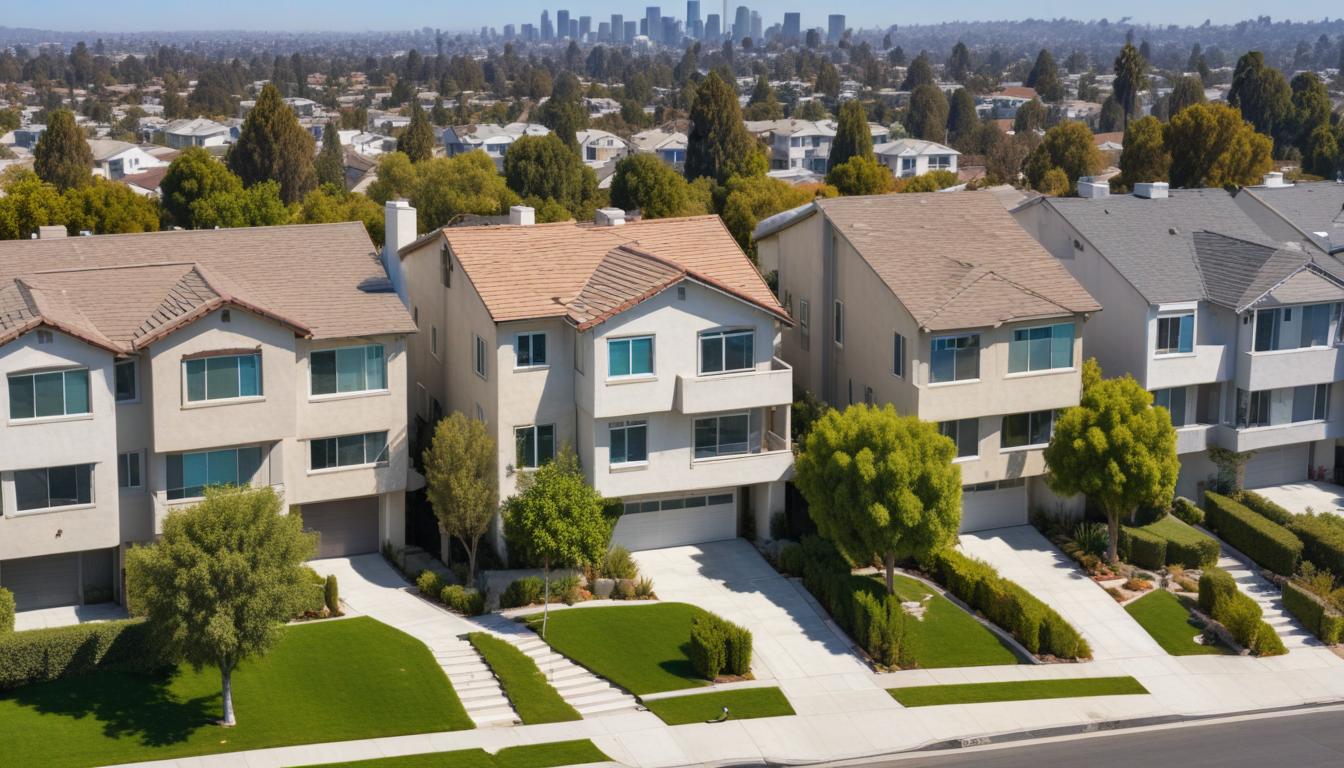
The luxury rental market in Los Angeles has entered a curious inflection point. While median home prices hover around $870,000 across the city, the rental sector—particularly in prestige neighbourhoods—is experiencing a collision between soaring demand and tightening regulations that's reshaping the relationship between landlords and tenants at the high end.
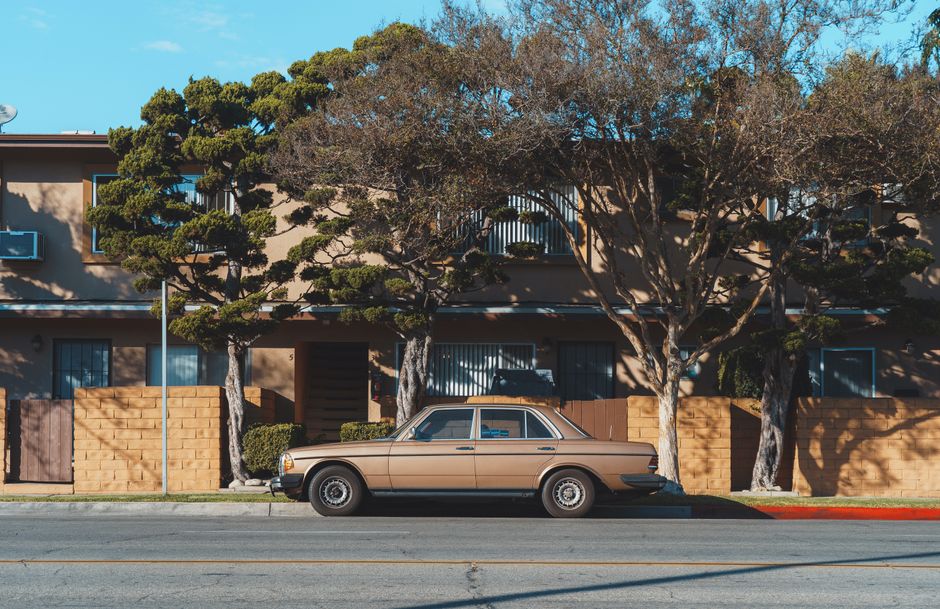
In Silver Lake and Echo Park, where renovated mid-century properties command $8,000 to $15,000 monthly, landlords increasingly report vacancy challenges despite seemingly premium positioning. The paradox reflects a broader shift: ultra-wealthy renters are either purchasing properties outright or relocating to adjacent markets like the Hollywood Hills and Bel Air, where short-term rental opportunities proliferate. Meanwhile, affluent but non-ultra-wealthy tenants—entertainment industry professionals, tech executives relocating from San Francisco—are facing unprecedented lease terms.
"Rent control exemptions for properties built after 1995 created a two-tier system," explains the landscape of LA's rental framework. Properties constructed during the 1990s and 2000s boom across Echo Park and Silver Lake fall outside rent stabilisation protections, allowing landlords to raise rents aggressively. A three-bedroom in Silver Lake that rented for $6,500 in 2023 now commands $9,200, according to market tracking data.
For landlords, the calculus has shifted too. Rising property taxes following Proposition 15 discussions, increased earthquake retrofitting requirements under LA's seismic safety ordinance, and mandatory habitability upgrades have squeezed margins. Several property management firms operating in prestige corridors report that compliance costs now consume 18-22% of rental income—a significant jump from five years ago.
The East LA growth corridor presents a counterpoint. Gentrifying neighbourhoods along Boyle Avenue and around the Arts District show landlords capitalising on renovation-driven rent increases, though tenant displacement concerns have prompted City Council scrutiny.
What complicates the narrative: neither landlords nor affluent tenants occupy sympathetic positions in broader housing discussions. Yet their market behaviour ripples downward. When high-end rental stock becomes unaffordable for established affluent renters, they compete for moderately-priced inventory, creating cascading pressure across income tiers.
The ADU building boom—particularly in single-family neighbourhoods like Los Feliz and Hancock Park—represents one pressure valve. By creating additional rental stock, accessory dwelling units theoretically increase supply. However, regulatory requirements and construction costs mean ADU rents typically start at $2,500-$3,500 monthly, still beyond reach for working-class renters.
As LA's rental market stratifies, the luxury sector increasingly operates under different economics than the broader market. For landlords and affluent tenants alike, the stability once promised by prestige addresses faces new uncertainty.
This article was compiled by AI from the sources linked above and screened before publishing. See our editorial standards.