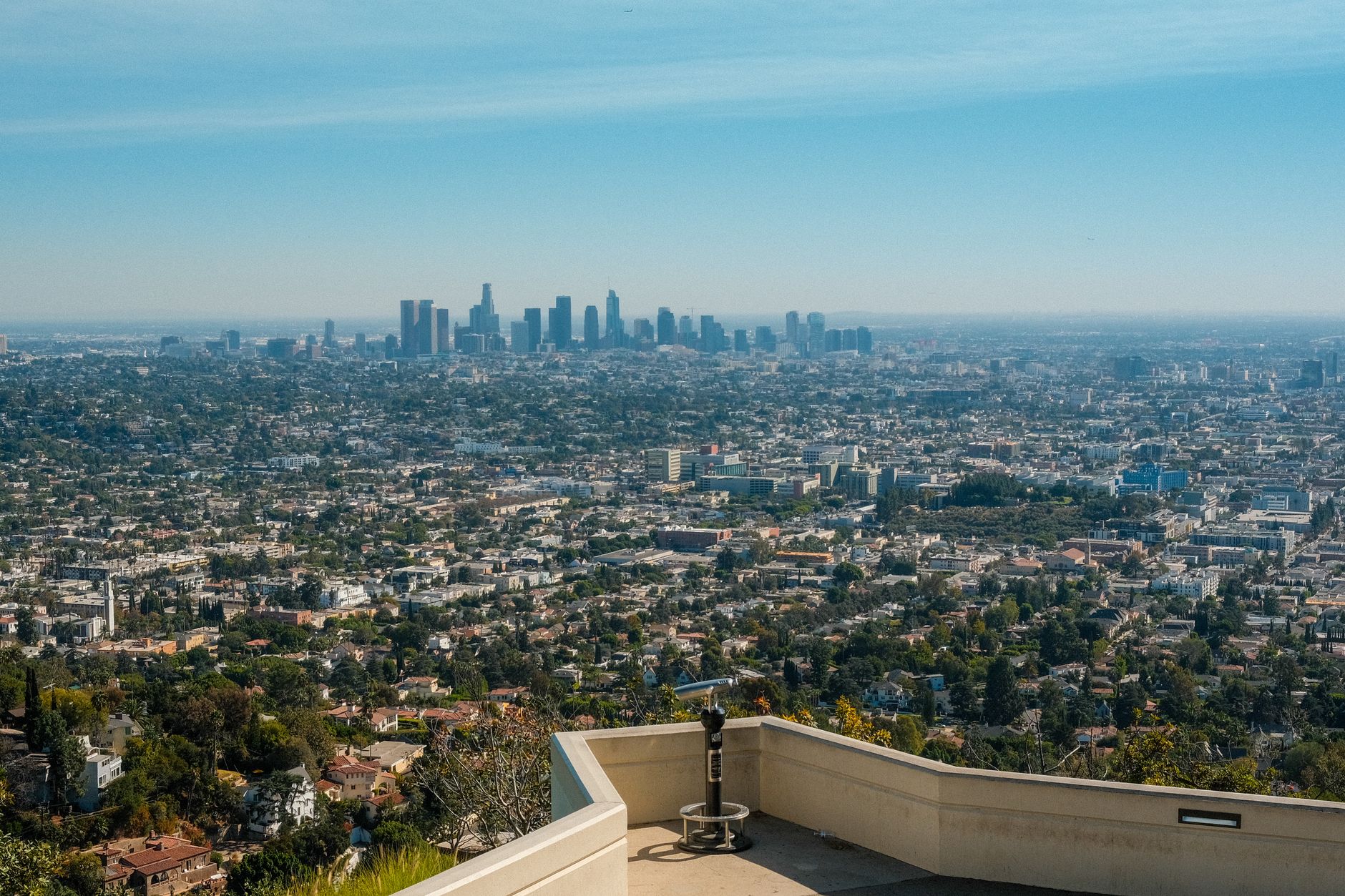
How L.A.'s Transit Crisis Became the Infrastructure Fight of Our Time
Decades of deferred decisions and competing visions have created the perfect storm that's now forcing the region to finally reckon with its sprawling transportation reality.
Decades of deferred decisions and competing visions have created the perfect storm that's now forcing the region to finally reckon with its sprawling transportation reality.
Listen to this article · 3:42
Los Angeles stands at an inflection point. The same city that pioneered the automobile-centric metropolis nearly a century ago is now desperately trying to build its way out of the consequences. Understanding how we arrived here requires looking back at decades of missed opportunities, fractured governance, and the sheer physics of sprawl.
The numbers tell the story. The average Angeleno spends roughly 128 hours stuck in traffic annually—nearly a full work week wasted on congestion. Since 2000, L.A. County's population has grown by over 600,000 residents while freeway capacity has remained essentially frozen. The I-405, carrying 400,000 vehicles daily between Santa Monica and the Valley, was designed for half that volume.
The roots go deeper. In the 1950s and 1960s, while other American cities invested heavily in rapid transit infrastructure, Los Angeles demolished much of its original Red Car network—a decision that shaped the region's development patterns for generations. Downtown's decline, the rise of office parks in Burbank and Culver City, and residential sprawl into the Inland Empire all followed logically from that foundational choice.
For decades, these decisions felt acceptable. Cars worked. Freeways expanded. But by the 1990s, the mathematics had shifted. The 1990 Clean Air Act amendments, combined with growing recognition that Los Angeles couldn't simply pave its way to mobility, catalyzed change. Metro was reorganized in 1993, beginning the slow work of building a transit network from scratch in a city designed without one.
The Measure M sales tax initiative of 2016—extending the half-cent sales tax approved in 1990—finally provided sustained funding. But by then, the legacy damage was substantial. Pop-up office complexes in Santa Monica and Koreatown lacked adequate transit connections. Communities in South L.A. remained isolated from job centers. The Harbor Gateway, stretching from Downtown to the ports, had no coherent transportation corridor.
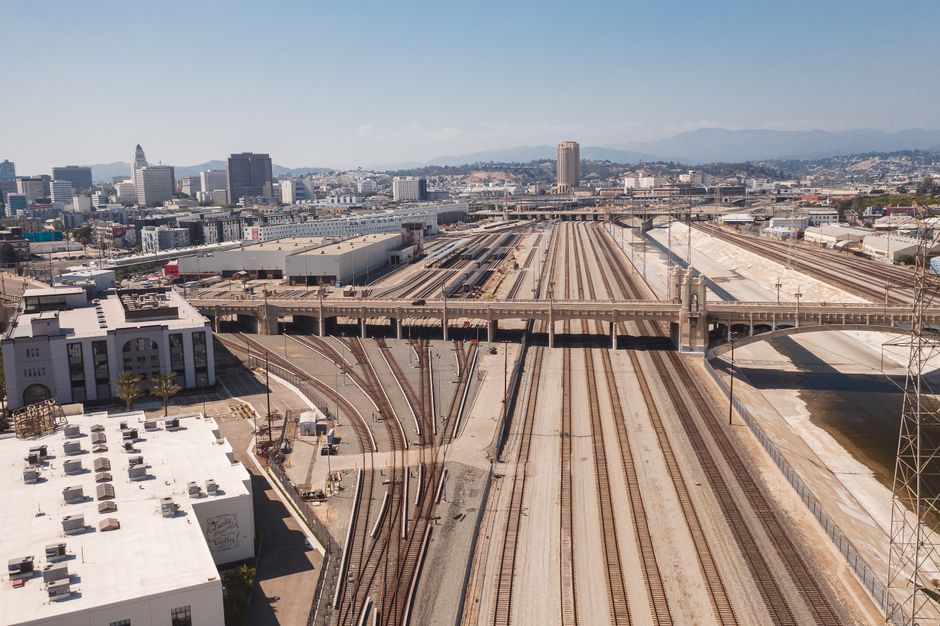
Today's infrastructure battles—the expansion of the Purple Line toward Westwood, the ongoing construction of the Crenshaw/LAX Line, the conceptual phase of transit connections to Ontario and Long Beach—all represent attempts to correct decisions made or deferred five, six, sometimes seven decades ago. Each project faces not just construction challenges but the underlying reality that L.A. must retrofit connectivity into a city built explicitly to avoid it.
The question now isn't whether infrastructure matters. Everyone agrees it does. The real fight is whether the region can finally build with sufficient speed and ambition to serve a city that has outgrown its original design.
This article was compiled by AI and screened before publishing. See our editorial standards.
How does this story make you feel?
Spread the word
About this article
Published by The Daily Los Angeles
Daily brief
Free, in your inbox before 7am. Weekdays.
More in News