Los Angeles Transforms From Smog Capital to Solar Leader
Decades of failed air quality standards and climate disasters forced the city to reimagine its relationship with energy, transportation, and urban planning.
Decades of failed air quality standards and climate disasters forced the city to reimagine its relationship with energy, transportation, and urban planning.
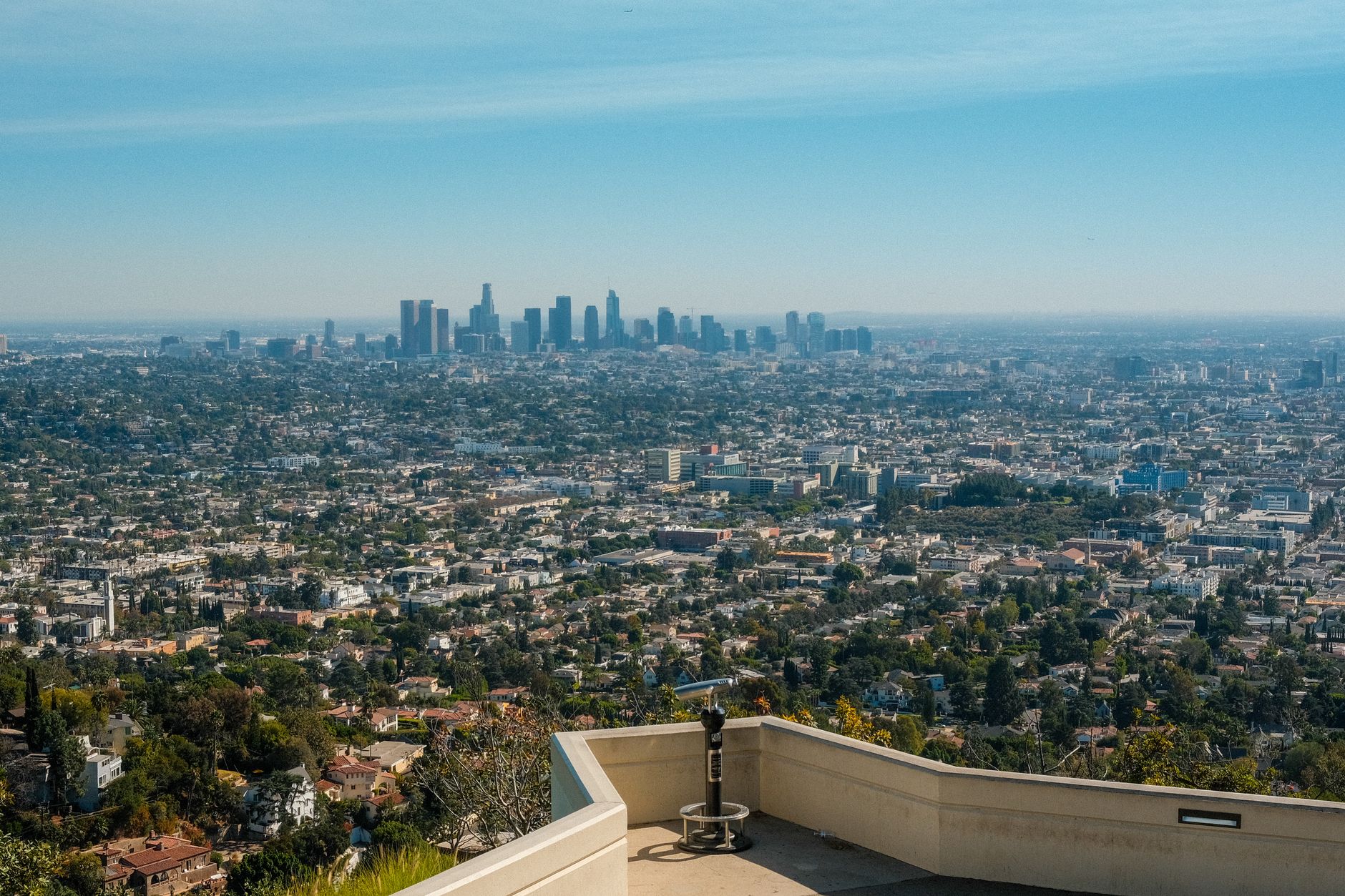
Los Angeles didn't choose sustainability out of virtue. It chose it out of necessity.
In the 1970s, when the South Coast Air Quality Management District first began serious monitoring, the Los Angeles basin regularly violated federal air quality standards by more than 200 days per year. Children growing up in neighborhoods like Long Beach and San Pedro developed asthma at rates nearly double the national average. The city's famous smog wasn't romantic nostalgia—it was a public health crisis hiding in plain sight.
That legacy haunted every major planning decision that followed. When the 1994 Northridge earthquake devastated infrastructure across the region, it became a pivotal moment. Rather than simply rebuild the same aging power grid, the Los Angeles Department of Water and Power began exploring alternatives. The 2003 heat wave that killed hundreds across California—with disproportionate casualties in under-resourced neighborhoods along the 110 and 710 corridors—cemented the urgency.
By the early 2020s, mounting insurance costs and repeated climate-related disasters made inaction economically impossible. Wildfires that pushed ash into downtown L.A., flooding that damaged homes in Mar Vista and Encino, and unprecedented heat in the San Fernando Valley weren't abstract warnings anymore. They were neighborhood emergencies.
The real turning point came through data. City planners analyzed decades of mortality statistics, property damage assessments, and infrastructure failure reports. The numbers were undeniable: pollution-related health costs exceeded $6 billion annually across the county. Every dollar spent on renewable energy infrastructure prevented an estimated $4 in climate-related damages.
This economic reality drove the city's evolution. The shift from cars to transit wasn't ideological—it was practical. As commute times from Downtown to Santa Monica stretched to over 90 minutes, congestion pricing and expanded Metro service became more palatable to skeptical residents. Solar installations on rooftops across Silver Lake and Eagle Rock weren't about environmental purity; they lowered electricity bills.
Green spaces in South Los Angeles weren't luxury amenities—they addressed documented heat island effects that made certain neighborhoods 15 degrees hotter than hillside areas. Every initiative traced back to measurable harm, quantified impacts, and economic necessity.
Los Angeles's sustainability journey wasn't born from environmental evangelism. It emerged from forty years of lived consequences, failed policies, and the dawning realization that the old model had always been the most expensive option. The city didn't suddenly discover green values; it discovered that survival required reinvention.
This article was compiled by AI and screened before publishing. See our editorial standards.
How does this story make you feel?
Spread the word
About this article
Published by The Daily Los Angeles
Daily brief
Free, in your inbox before 7am. Weekdays.
More in News