LAPD Data Exposes Crime Shifts in LA's Most Vulnerable Neighborhoods
A deep dive into arrest statistics, response times, and emergency calls shows how policing priorities have shifted across the city's most vulnerable neighborhoods.
A deep dive into arrest statistics, response times, and emergency calls shows how policing priorities have shifted across the city's most vulnerable neighborhoods.
Listen to this article · 3:56
The Los Angeles Police Department released its mid-year crime analysis this week, offering a quantifiable snapshot of public safety challenges confronting the city. The numbers tell a story more nuanced than headlines alone suggest, revealing how crime patterns have evolved across neighborhoods from Downtown to the San Fernando Valley.
According to LAPD's 2026 interim report, violent crime in Central Division—which encompasses downtown Los Angeles and areas south to Manchester Avenue—increased 14.2% compared to the same period last year. Yet property crimes in the division dropped 8.7%, suggesting a shift in criminal activity rather than a simple surge. The Central Division handles approximately 2,847 calls for service daily, the highest per-capita rate among the department's 21 geographic divisions.
Response times tell another story. LAPD's average emergency response time citywide stands at 6 minutes 43 seconds for Priority 1 calls, down from 7 minutes 18 seconds in early 2025. However, in Northeast Division—covering neighborhoods like Lincoln Heights, El Sereno, and portions of Boyle Heights—response times average 8 minutes 12 seconds, reflecting staffing pressures that persist despite citywide improvements.
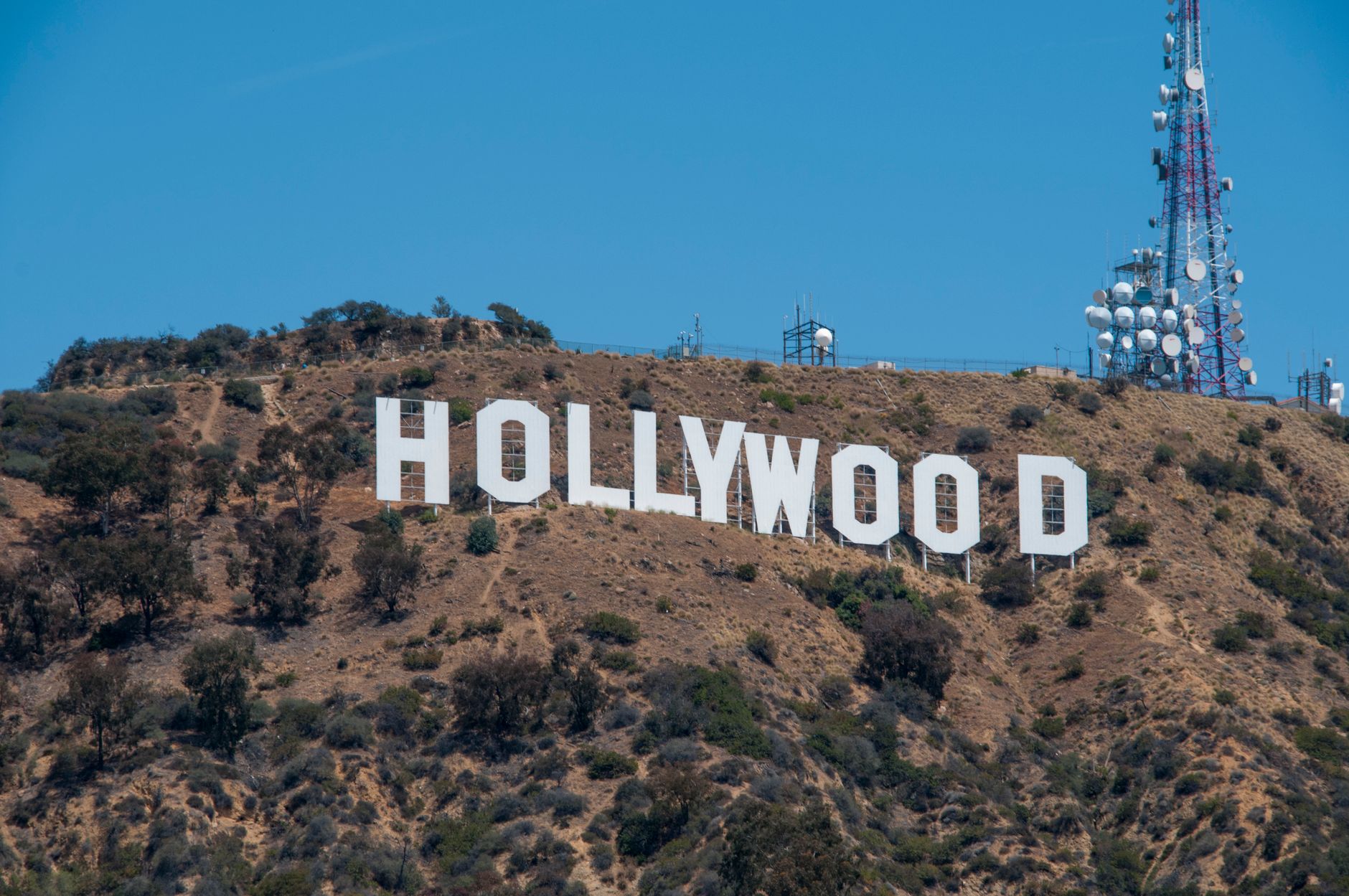
The data reveals where emergency resources concentrate. The Hollywood Division, encompassing 42 square miles from Griffith Park to West Hollywood, received 341,000 calls for service in the first half of 2026—approximately 68% traffic-related. By contrast, Central Division's 421,200 calls broke down to 43% violent crime complaints, 31% property crime, and 26% other incidents.
Budget allocations follow these patterns. The city's $3.7 billion public safety expenditure for 2026 allocates roughly $2.2 billion to LAPD operations, with increasing percentages directed toward mental health crisis response teams operating in Skid Row and surrounding areas. These Mobile Assistance Community Responders (MACR) units handled 8,340 calls in the first quarter alone, a 31% increase from 2025.
Perhaps most telling: overtime expenditures. LAPD officers logged 847,000 overtime hours through June 30—on pace to exceed last year's 1.6 million hours at a projected cost of $198 million. The data suggests the department remains stretched despite hiring initiatives that added 287 sworn officers since January 2025.
These numbers, released through the city's transparency portal, underscore what residents across Los Angeles already sense: public safety remains a moving target, measured not by singular incidents but by thousands of daily interactions, response patterns, and resource constraints that shape the city's security landscape.
This article was compiled by AI and screened before publishing. See our editorial standards.
How does this story make you feel?
Spread the word
About this article
Published by The Daily Los Angeles
Daily brief
Free, in your inbox before 7am. Weekdays.
More in News