How Los Angeles Became a Sustainability Leader: The Long Road From Smog to Green Innovation
Decades of environmental crises and community activism transformed LA from an ecological cautionary tale into a model for urban climate action.
Decades of environmental crises and community activism transformed LA from an ecological cautionary tale into a model for urban climate action.
Los Angeles didn't wake up one morning in 2026 committed to sustainability. The city's environmental transformation is the product of decades-long struggle against some of the worst air quality in America, water scarcity in an arid region, and the sprawl of a metropolis built for cars rather than people.
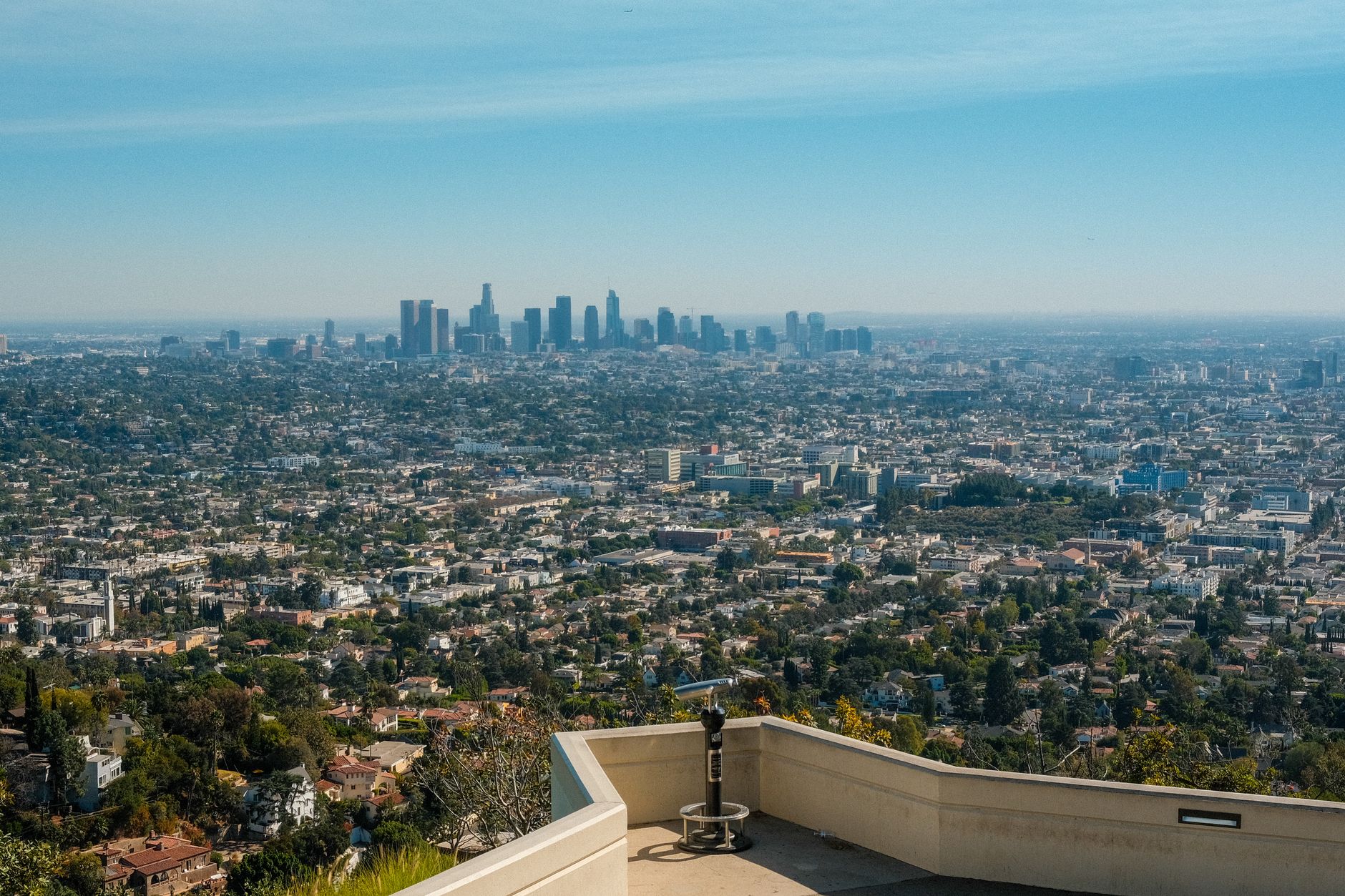
The 1970s and 1980s defined LA's environmental nadir. The South Coast Air Quality Management District was established in 1977 specifically because the basin's smog had become a public health emergency—visibility in downtown often dropped below a quarter-mile. Children in neighborhoods like Long Beach and Riverside developed asthma at rates far exceeding national averages. The iconic view of the San Gabriel Mountains from downtown was, for most of the era, completely obscured by brown haze.
That crisis catalyzed change. Stricter emissions standards, industrial regulations, and the gradual shift away from heavy manufacturing began showing results by the 1990s. Yet sustainability remained largely a marginal concern until the 2000s, when water scarcity became impossible to ignore. Los Angeles imports roughly 85% of its water from distant sources—the Colorado River and Northern California. Prolonged drought conditions exposed the fragility of this dependence, spurring investments in recycled water systems and stormwater capture.
The real inflection point came around 2015. The Paris Climate Agreement, combined with California's aggressive renewable energy targets, coincided with LA's election of a mayor committed to carbon neutrality by 2050. Investment capital finally flowed toward solar installations, transit-oriented development, and retrofitting aging building stock. The Metro system expanded significantly, though transit ridership growth remained uneven across neighborhoods.
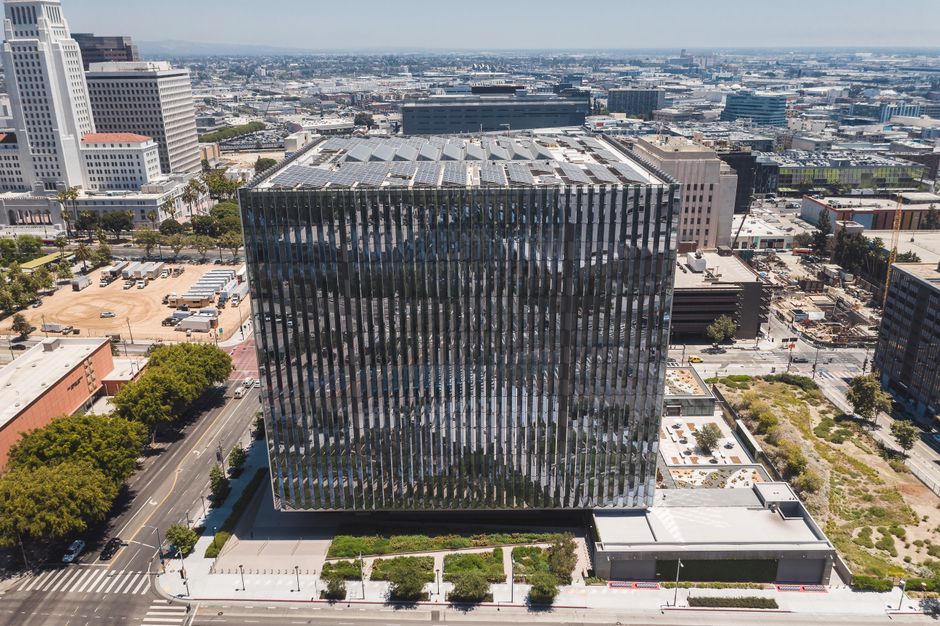
Recent years have accelerated momentum. The city's 2023 Climate Action Plan committed to electrifying municipal vehicles, greening public buildings, and converting underused parking lots into green space—particularly in historically car-dependent areas like the San Fernando Valley and South LA. Private developers began competing for sustainability certifications, recognizing both regulatory requirements and market demand.
Yet Los Angeles remains a work in progress. Income inequality means sustainability benefits aren't distributed evenly. Wealthier areas in the Palisades and Brentwood have embraced solar and electric vehicles faster than neighborhoods in Boyle Heights or South Central. Public transit still lags behind other major metros. Gentrification has accompanied green development in some communities, displacing longtime residents.
Understanding this history matters because sustainability in LA isn't abstract idealism—it's a survival response to genuine environmental crises. The city's journey reflects both how far communities can move when necessity demands it, and how much work remains to ensure that progress benefits everyone.
This article was compiled by AI and screened before publishing. See our editorial standards.
How does this story make you feel?
Spread the word
About this article
Published by The Daily Los Angeles
Daily brief
Free, in your inbox before 7am. Weekdays.
More in News