Walk down Broadway in Downtown Los Angeles on any given evening, and you'll encounter a cultural paradox that defines 2026's version of the city: ornate theatres built in the 1920s—the Bradbury, the Orpheum, the Pantages—are experiencing a renaissance precisely because Los Angeles is no longer pretending to be one thing.
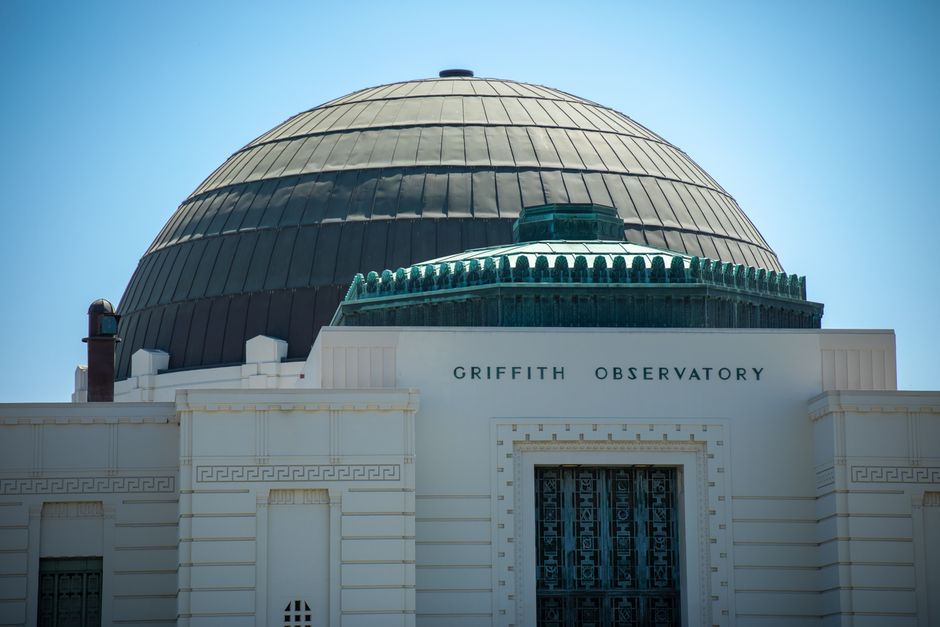
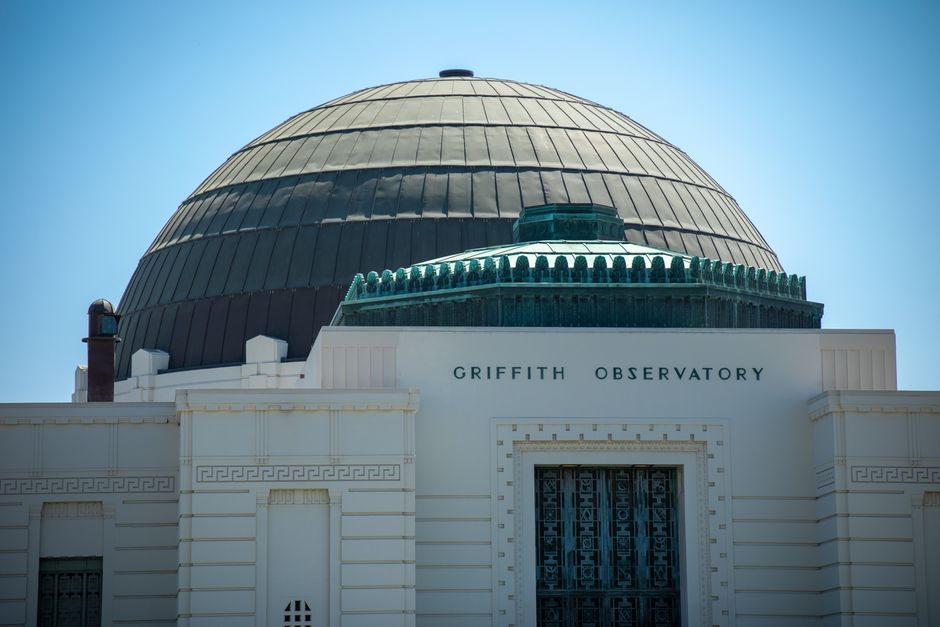
The performing arts landscape here has fractured into something more honest. Where the city once funneled creativity exclusively toward film lots in Burbank and Culver City, today's cultural identity is being shaped by a far more distributed, democratic ecosystem. The Wallis Annenberg Center in Beverly Hills, which draws around 85,000 patrons annually, sits alongside grassroots venues like The Fonda Theatre on Hollywood Boulevard and the iconic Greek Theatre nestled in Griffith Park, creating a vertical marketplace of artistic expression that mirrors the city's actual demographic complexity.
This matters more than it might appear. Film—Los Angeles' traditional cultural calling card—remains economically dominant but culturally static. Live performance, by contrast, demands presence. It requires artists and audiences to show up in the same room and negotiate meaning together, something increasingly rare in a city where digital mediation has colonized almost every interaction.
The numbers suggest this shift is accelerating. The Los Angeles Theatre Center in Downtown, which reopened in 2021 after years of restoration, now hosts over 150 performances annually across its multiple stages. Meanwhile, smaller venues in Silver Lake, Los Feliz, and Arts District neighborhoods are seeing waiting lists for productions that cost less than a movie ticket—typically $15-35 versus the $18-24 cinema standard—yet generate more genuine cultural conversation.
What's emerging is a Los Angeles that's less interested in the fantasy of cinema and more invested in the friction of theatre. When the Deaf West Theatre Company performs on the Ahmanson stage at the Mark Taper Forum in Downtown, or when experimental work happens in converted warehouses in the Arts District, these aren't side events in Los Angeles' cultural calendar. They're becoming the primary text through which the city understands itself.
This reorientation speaks to something deeper about Los Angeles in 2026. The city is no longer trying to be the world's fantasyland. It's becoming interested in being its most authentic self—messy, multilingual, politically fractious, and determinedly present. And that conversation is increasingly happening not on screens, but under lights, with real bodies in the room, on stages across this sprawling metropolitan landscape.
This article was compiled by AI and screened before publishing. See our editorial standards.