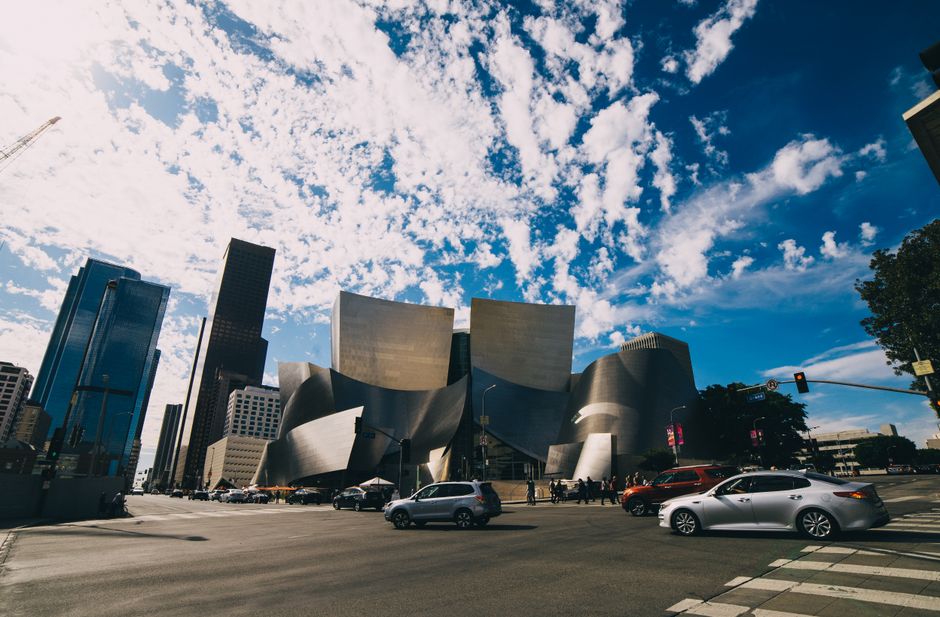
How LA's Gallery Renaissance Is Reshaping What It Means to Be an Angeleno
From Downtown's Arts District to Santa Monica's coastal galleries, a new wave of museums and independent spaces is cementing Los Angeles as a global creative capital.
From Downtown's Arts District to Santa Monica's coastal galleries, a new wave of museums and independent spaces is cementing Los Angeles as a global creative capital.
Walk through the Arts District on a Friday night and you'll witness something that didn't exist a decade ago: a thriving, walkable gallery corridor that rivals established art capitals. The transformation of East Los Angeles—particularly along Santa Fe and Alameda—has become emblematic of how the city is redefining itself through culture rather than spectacle.
The numbers tell the story. Since 2020, over 40 new gallery spaces have opened across LA County, with the Arts District alone hosting more than 60 galleries today. The Broad, which opened in 2015, drew 1.7 million visitors in its first year and continues to anchor downtown's cultural renaissance. Yet it's the ecosystem around it—smaller galleries like Night Gallery, Hauser & Wirth, and artist-run spaces—that's creating something distinctly Angeleno.
What sets LA's current moment apart is its commitment to access and experimentation. Unlike the gatekeeping associated with traditional art centers, galleries here are actively cultivating relationships with local communities. The Los Angeles County Museum of Art's ambitious expansion, which includes new contemporary wings focused on work by Black, Latino, and Asian American artists, reflects a broader reckoning with whose stories the city's major institutions tell.
The geography matters. Santa Monica's gallery cluster—concentrated around the Bergamot Station Arts Center and surrounding Ocean Park Boulevard—maintains a distinctly coastal, experimental character. Meanwhile, Chinatown's growing arts presence, bolstered by spaces like Amoeba and smaller independent galleries, represents the city's ongoing demographic shifts. Culver City, increasingly home to younger collectors and artists priced out of central LA, is emerging as a secondary hub with its own distinct identity.
But perhaps the most significant shift is how galleries have become gathering places for civic dialogue. In a politically fractured moment, the arts scene offers a relatively neutral space where LA's incredibly diverse population can encounter different perspectives and histories. Institutions across the city have expanded programming around immigration, labor, housing, and environmental justice—issues that directly affect their communities.
For a city often dismissed as superficial or industry-obsessed, the thriving gallery and museum scene represents something more profound: a genuine engagement with cultural identity and collective memory. As real estate pressures continue to reshape neighborhoods, and as Los Angeles grapples with its place in an increasingly fragmented America, these spaces have become crucial anchors for what binds this sprawling metropolis together. The question isn't whether LA has a vibrant art scene anymore—it's whether the city can preserve it.
This article was compiled by AI and screened before publishing. See our editorial standards.
How does this story make you feel?
Spread the word
About this article
Published by The Daily Los Angeles
Daily brief
Free, in your inbox before 7am. Weekdays.
More in culture