LA Museums Eliminate Free Days, Shift Leadership to New Voices
As cultural institutions rethink admission policies and curatorial priorities, Los Angeles galleries are navigating a pivotal moment between accessibility and sustainability.
As cultural institutions rethink admission policies and curatorial priorities, Los Angeles galleries are navigating a pivotal moment between accessibility and sustainability.
Listen to this article · 3:43
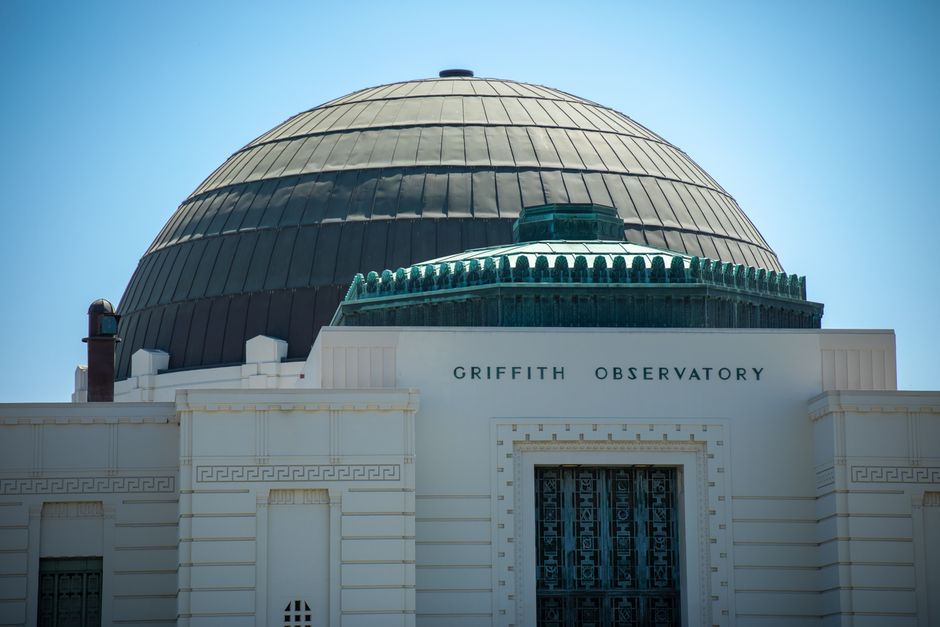
Walk down Museum Row on Wilshire Boulevard any given weekend and you'll notice something's shifted. The Getty Center's usual crush of visitors paying zero dollars has thinned noticeably since the institution ended its free-admission model in May—a seismic move that rippled across the city's entire cultural landscape. Now, as summer unfolds, LA's galleries and museums are grappling with the consequences, and locals are paying attention.
The Getty's transition to a ticketed system ($20 for general admission, with discounts for students and county residents) wasn't made in isolation. The Los Angeles County Museum of Art raised its general admission to $25 in spring, while institutions across Downtown—from The Broad to the Museum of Contemporary Art—quietly adjusted their pricing structures. For a city that has long prided itself on democratic access to culture, the shift feels jarring.
Yet there's a counternarrative unfolding in smaller spaces. On Melrose Avenue and throughout Arts District galleries, a new generation of curators is filling vacuum left by larger institutions. Independent galleries like Commonwealth and Springsteen have seen foot traffic surge 40 percent year-over-year, according to Arts District stakeholders. Meanwhile, community-driven projects in Boyle Heights and Northeast LA are using lower overhead and volunteer models to offer free or pay-what-you-wish exhibitions featuring underrepresented artists.
The philosophical tension is deliberate. Larger museums argue that ticketed admission allows for improved programming, conservation, and curatorial depth—the Getty's new revenue stream has funded expanded exhibitions and improved climate control systems. Meanwhile, grassroots advocates counter that pay-to-enter culture naturally excludes working families, immigrant communities, and young people already priced out of LA's spiraling cost of living.
What locals are actually talking about: whether the city is entering a two-tiered cultural moment. The well-funded institutions on Wilshire offer blockbuster exhibitions and world-class collections. The scrappy galleries in emerging neighborhoods offer intimacy, experimentation, and accessibility. Neither is inherently better—but the split feels newly pronounced.
Industry observers note that the shift follows national trends. Major museums from New York to Chicago have moved toward paid admission, citing operational costs that free days couldn't sustain. The pandemic accelerated this reckoning; many institutions discovered they couldn't absorb losses indefinitely.
For LA residents, the practical question is straightforward: Where does culture belong in an increasingly unaffordable city? The answer, it seems, is everywhere—just not always in the same way.
This article was compiled by AI and screened before publishing. See our editorial standards.
How does this story make you feel?
Spread the word
About this article
Published by The Daily Los Angeles
Daily brief
Free, in your inbox before 7am. Weekdays.
More in culture