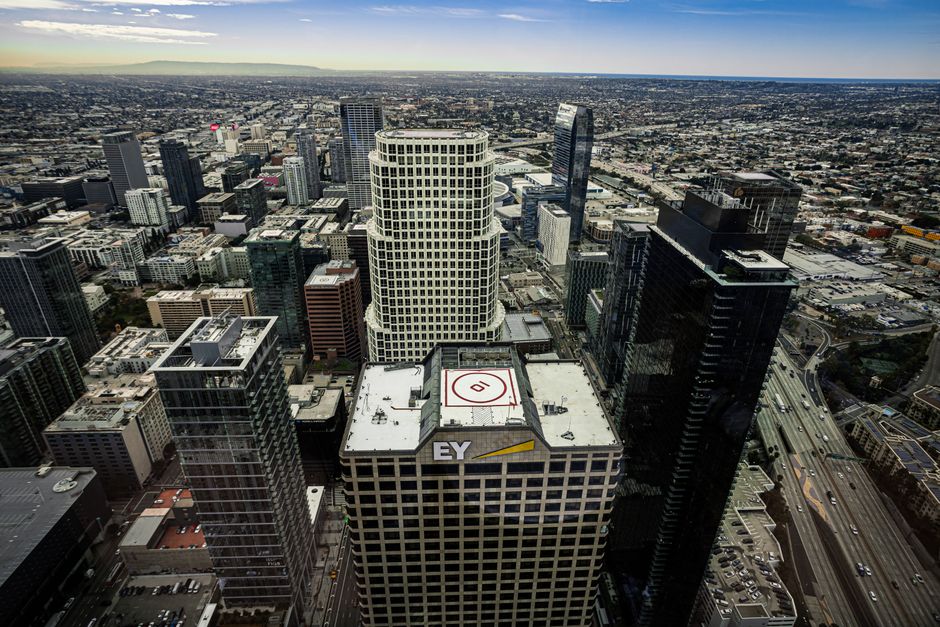
Los Angeles's retail and food hospitality sector faces a pivotal moment as operators across the city grapple with converging pressures that are fundamentally reshaping the business environment. From Downtown's revitalized Grand Central Market to the upscale dining corridors of West Hollywood, establishments are confronting challenges that demand immediate strategic recalibration.
Labor remains the dominant headwind. California's minimum wage of $16.50 per hour, alongside the city's ongoing enforcement of local wage ordinances, continues to compress margins across casual dining, quick-service restaurants, and retail operations. Mid-market establishments on Melrose Avenue and in Santa Monica report labor costs consuming 35-40% of revenue—a figure that has climbed steadily over the past 18 months. For independent operators without corporate backing, this squeeze is forcing difficult choices: automation, price increases, or reduced service hours.
Consumer behavior has also shifted markedly. While foot traffic in traditional retail corridors like The Grove and The Americana at Brand remains robust, conversion rates tell a different story. Shoppers are increasingly deliberate, with discretionary spending concentrated in experiences rather than goods. This has benefited the experiential hospitality sector—rooftop bars in Downtown, chef-driven concepts in Silver Lake—while pressuring traditional apparel and home goods retailers.
Delivery economics present another evolving challenge. Third-party platforms' commission structures (typically 15-30% of order value) remain unsustainable for many operators, yet omnichannel presence is now table stakes. Restaurants that have invested in direct-ordering infrastructure and their own logistics networks are outperforming competitors still reliant on platform dependency.
International trade uncertainty, particularly regarding supply chain volatility, is impacting both retail inventory planning and food cost forecasting. Operators report extended lead times for imported goods and ingredients, forcing longer inventory commitments and tied-up working capital.
Bright spots do exist. The wellness and sustainable dining segment continues outpacing traditional categories. Concepts focused on plant-forward menus, local sourcing, and transparent sourcing—prevalent throughout Silver Lake, Echo Park, and increasingly in Downtown—are attracting premium-paying demographics willing to absorb price increases. Retail experiences integrating technology (interactive fitting rooms, mobile checkout) are seeing elevated engagement metrics.
For operators looking ahead, the message is clear: passive compliance with existing business models is no longer viable. Success requires aggressive cost management, authentic digital integration, and strategic repositioning toward experience-driven offerings that justify premium pricing in an increasingly polarized consumer market.
This article was compiled by AI and screened before publishing. See our editorial standards.