Why Your Favorite Coffee Shop Might Close, and What It Means for Your Neighborhood
Los Angeles's commercial real estate crisis is reshaping where you shop, eat, and work—here's what residents need to know.
Los Angeles's commercial real estate crisis is reshaping where you shop, eat, and work—here's what residents need to know.
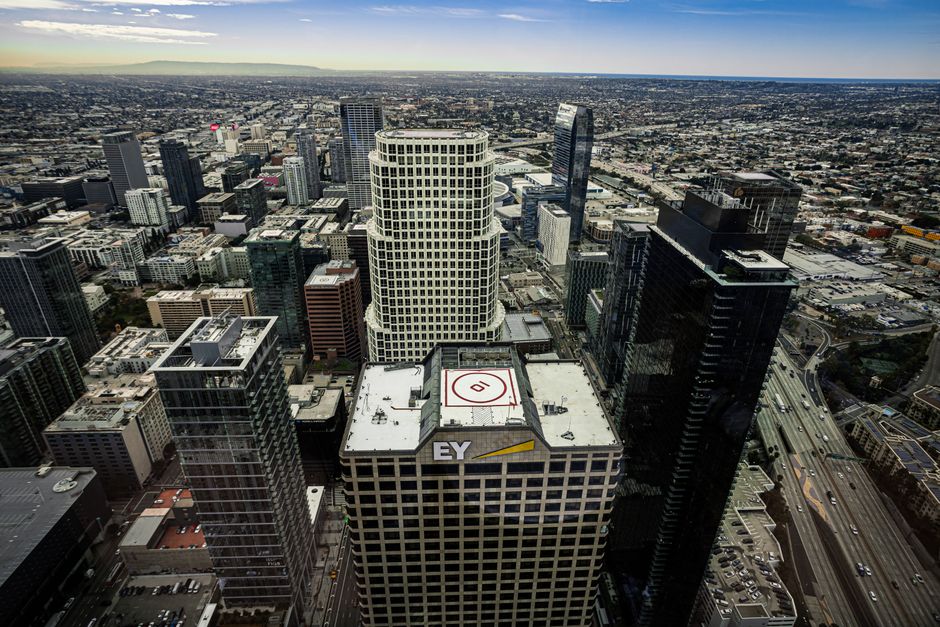
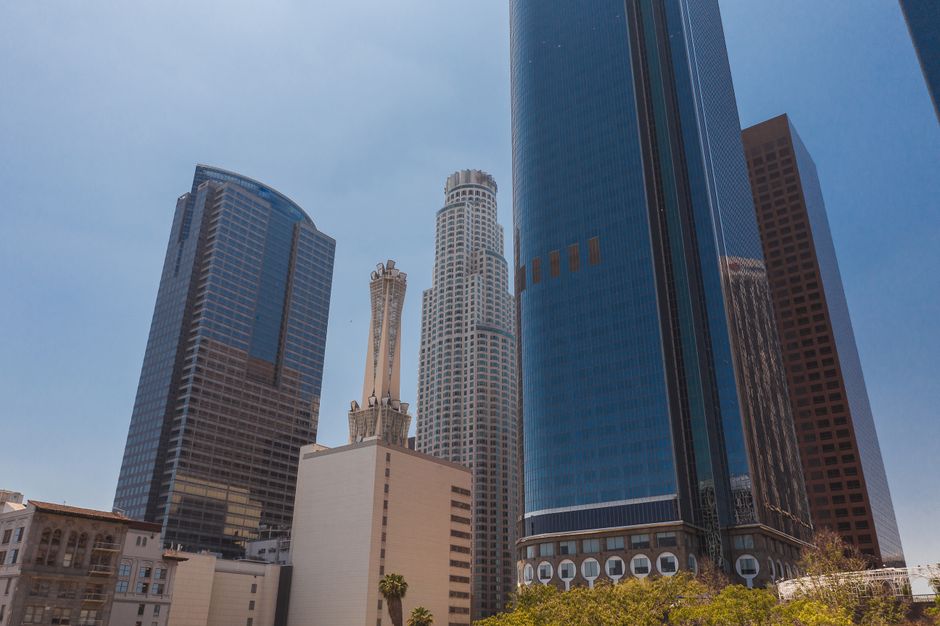
If you've noticed more shuttered storefronts along Melrose Avenue or wondered why some Downtown LA restaurants keep changing hands, you're witnessing a fundamental shift in Los Angeles's commercial property market that's about to hit your wallet and daily routines.
The numbers tell a stark story. Average office vacancy rates in Century City and the Westside have climbed to nearly 24% this year, according to local commercial brokers, while retail landlords in areas like Los Feliz and Silver Lake are facing unprecedented pressure. Asking rents for ground-floor retail have fallen as much as 15-20% since 2023, yet small business owners and chain operators alike are still struggling to justify the costs of operating in the city.
Here's why this matters to you: when commercial properties sit empty or become too expensive, three things happen. First, neighborhoods lose the businesses that define them—the independent coffee roaster on Beverly Boulevard, the family-owned restaurant in Koreatown, the yoga studio in West Hollywood. These aren't just shops; they're gathering places that drive foot traffic and community identity.
Second, property owners become desperate. Some are converting office space into residential apartments, particularly in areas like the Fashion District and around USC. While housing is critically needed, this reshapes entire blocks' character and tax bases. Others are slashing services, delaying maintenance, or accepting commercial tenants with shakier business models just to fill vacant space.
Third, your costs elsewhere rise. When a major property owner—say, someone holding significant real estate on Sunset Boulevard or near the Grove—absorbs losses from vacant commercial space, they often compensate by raising residential rents or commercial rates elsewhere. The losses don't disappear; they redistribute.
The root causes are well-documented: remote work has gutted demand for office space, retail has been hammered by online shopping and changing consumer habits, and Los Angeles's operating costs—permits, labor, utilities—remain among America's highest. Meanwhile, property owners who bought at pre-pandemic prices now hold mortgages that don't match current market reality.
Local leaders are responding. The city is loosening zoning restrictions to encourage mixed-use development, and some landlords are experimenting with shorter leases and lower rates to fill space. But recovery will take years.
For residents, the takeaway is simple: the commercial real estate you see around you is in active negotiation. That empty storefront might become apartments, a new restaurant, or remain dark for years. The businesses you love operating on thin margins. Understanding this context helps explain why some favorite spots close, why neighborhoods change character, and why local commercial property decisions ultimately shape the Los Angeles you live in.
This article was compiled by AI and screened before publishing. See our editorial standards.
How does this story make you feel?
Spread the word
About this article
Published by The Daily Los Angeles
Daily brief
Free, in your inbox before 7am. Weekdays.
More in Business