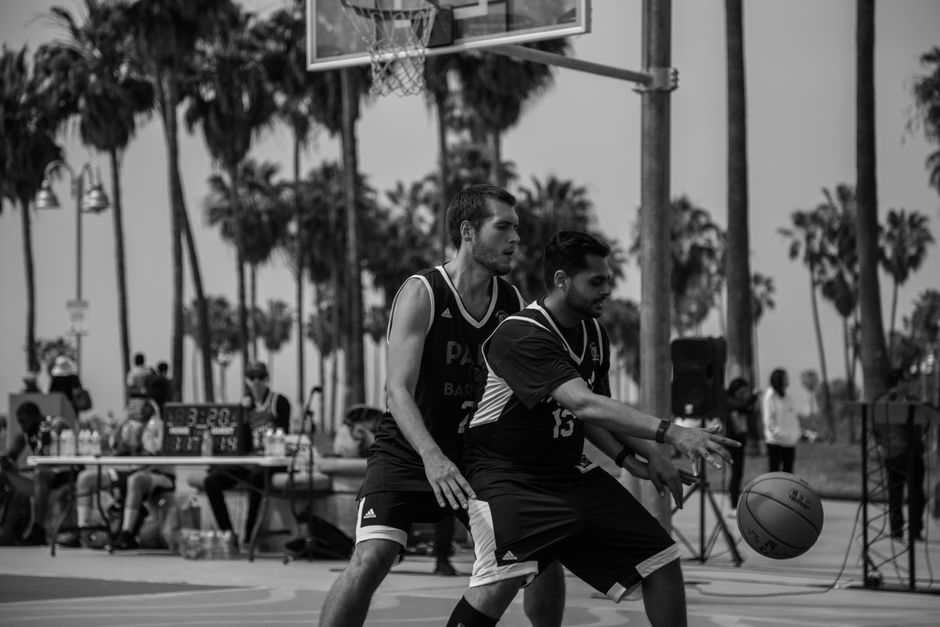
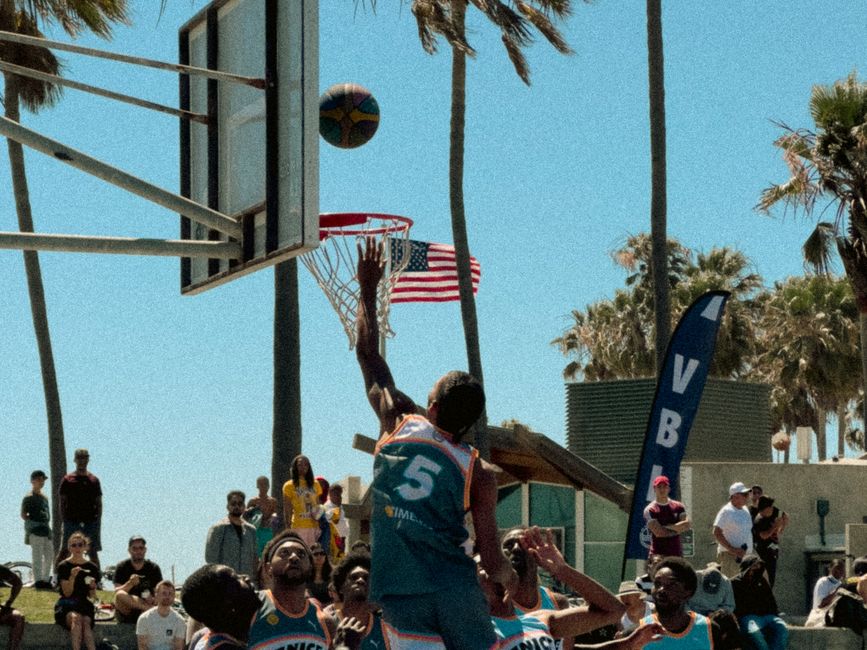
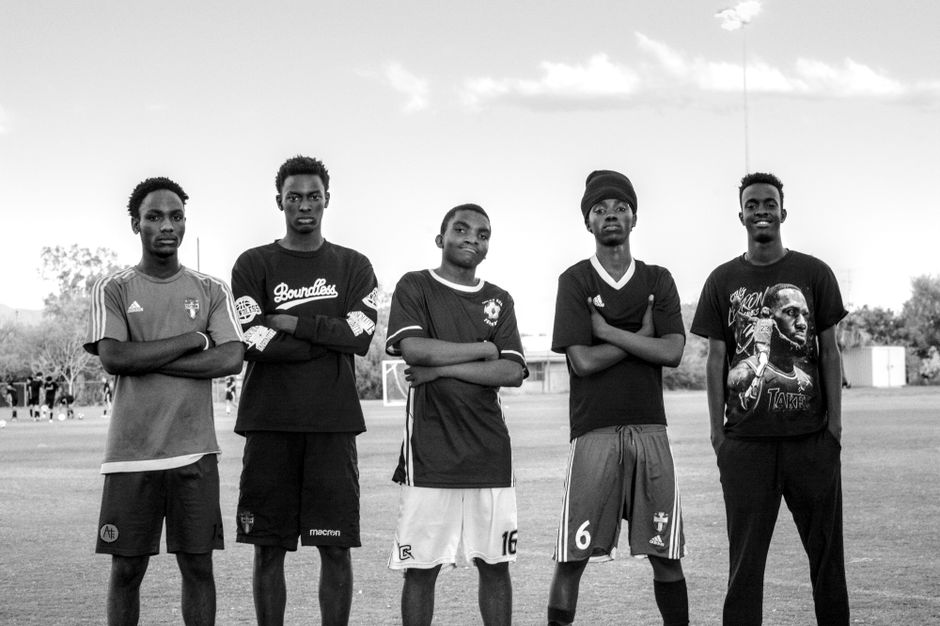
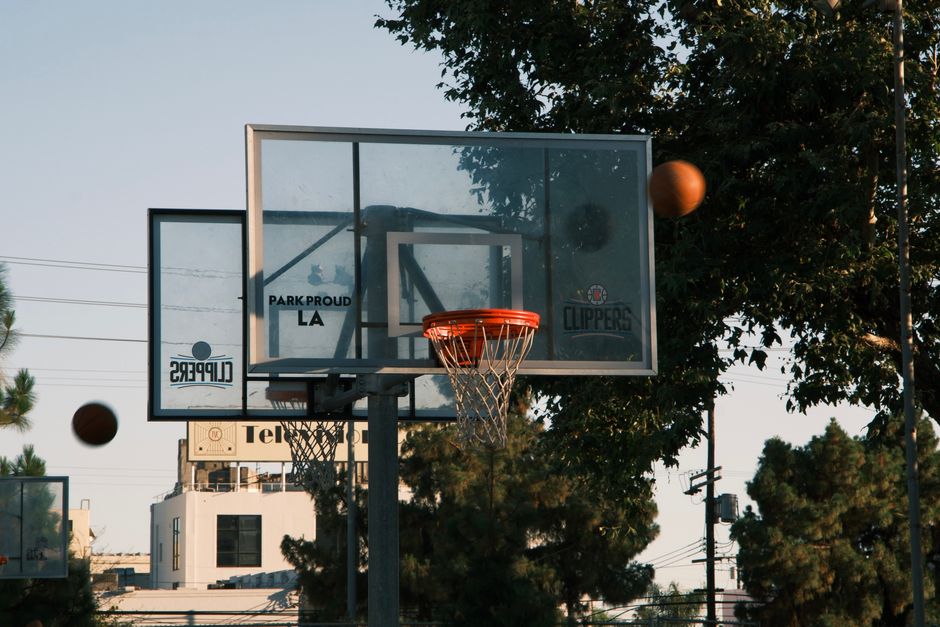
Walk past Griffith Park on any Saturday morning and you'll see the infrastructure challenge facing Los Angeles youth sports in crystal clarity: five synthetic soccer fields packed shoulder-to-shoulder with league play, while adjacent asphalt tennis courts crack under the California sun. The demand for grassroots athletic development has never been higher, yet the facilities supporting it are straining under pressure.
The Parks and Recreation Department manages approximately 950 recreation facilities across the city, but aging infrastructure tells a troubling story. At the Lincoln Park Recreation Center in Lincoln Heights, basketball courts installed in 1987 remain largely unchanged, with frequent closures for maintenance that disrupt youth league schedules. Meanwhile, registration fees for city-run programs have climbed 34 percent since 2019, now ranging from $85 to $215 per season depending on activity and age group.
Private clubs have filled some gaps, but inequitably. The Westside Tennis Club in Brentwood charges $1,200 annually for youth memberships, while facilities in South Los Angeles like the Exposition Park Recreation Center operate with significantly fewer amenities despite serving higher populations of underserved youth. According to 2024 data from the City Controller's Office, per-capita spending on recreation facilities varies by as much as 300 percent across different neighborhoods.
Some progress offers hope. The recently renovated Poinsettia Park Recreation Center in West Hollywood now features resurfaced courts and LED lighting enabling evening programs, a model being slowly replicated citywide. The Valley Sports Alliance, a coalition of youth organizations across San Fernando Valley, has secured $8.2 million in funding through 2028 to upgrade facilities in Pacoima, Van Nuys, and Canoga Park.
Yet challenges persist. The city's Parks and Recreation Department faces a $2.1 billion maintenance backlog, with youth sports facilities competing for limited capital dollars against other civic priorities. Many grassroots clubs operating from municipal parks—including the Boyle Heights Youth Soccer League and dozens of basketball programs—operate on borrowed time, unsure whether their home courts will remain available.
For youth athletes across Los Angeles, opportunity depends partly on zip code. While elite programs continue expanding in affluent areas, working-class neighborhoods struggle to maintain basic playing surfaces. As the city's population grows and youth participation in organized sports reaches 41 percent of school-age children, infrastructure investment has become not merely a convenience but a social equity imperative.
City officials acknowledge the problem. The question now is whether Los Angeles will commit the resources necessary to ensure every neighborhood's children have access to quality facilities—or whether the current two-tiered system becomes permanently entrenched.
This article was compiled by AI from the sources linked above and screened before publishing. See our editorial standards.