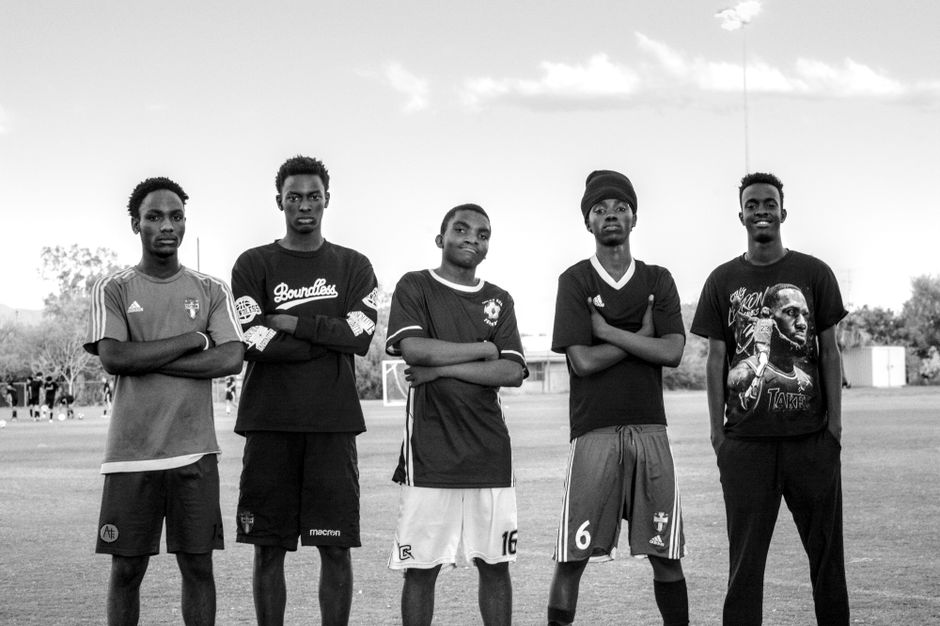
Walk down Slauson Avenue on a Saturday morning and you'll witness something that rarely makes the sports pages: a dozen pickup basketball games unfolding simultaneously across cracked asphalt courts, children learning volleyball in a repurposed parking lot, and teenage runners training for distance competitions under the California sun. This is where Los Angeles's real sporting infrastructure lives.
The narrative around LA sports typically fixates on SoFi Stadium in Inglewood or Crypto.com Arena downtown, venues that have reshaped the city's skyline and attracted global attention. But according to a 2025 study by the LA County Department of Public Health, 73% of youth athletic participation in underserved communities happens at grassroots facilities—church courts, public parks, and community centres operating on shoestring budgets.
Organisations like the South LA Community Sports Coalition have quietly revolutionised youth engagement across neighborhoods from Watts to Nickerson Gardens. Their network coordinates programming at 47 different sites, serving approximately 8,500 young people annually. Membership fees cap at $25 per season, a deliberate choice that reflects the movement's core philosophy: athletic opportunity shouldn't depend on family income.
"We're not competing with the Lakers," explains the philosophy underlying groups like East LA Youth Programs, which has operated continuously since 1992. "We're building the infrastructure that creates them." Their investment isn't measured in television ratings but in high school graduation rates—participants in their comprehensive sports programmes graduate at 89%, compared to the district average of 76%.
The physical spaces tell their own story. The newly renovated courts at Griffith Park's upper facilities now host 200 young athletes weekly through community partnerships. Lincoln Park in Lincoln Heights, historically underfunded, has become a hub for cricket, handball, and basketball after a 2023 community mobilisation effort secured $2.3 million in improvements. Similar transformations ripple through Echo Park, Koreatown, and the San Fernando Valley.
What distinguishes this movement from municipal recreation is its hyperlocal nature. These aren't top-down programmes; they're driven by parents, retired athletes, and neighbourhood advocates who understand that sustainable change requires cultural investment alongside physical infrastructure. A 2024 survey found that 84% of grassroots programme coordinators in LA are volunteers or part-time staff.
As the city prepares for future major sporting events and continued professional expansion, the real story unfolding is far less glamorous but infinitely more consequential: the everyday commitment to ensuring that every child in Los Angeles—regardless of zip code—has access to sport as a pathway to health, community, and possibility.
This article was compiled by AI from the sources linked above and screened before publishing. See our editorial standards.