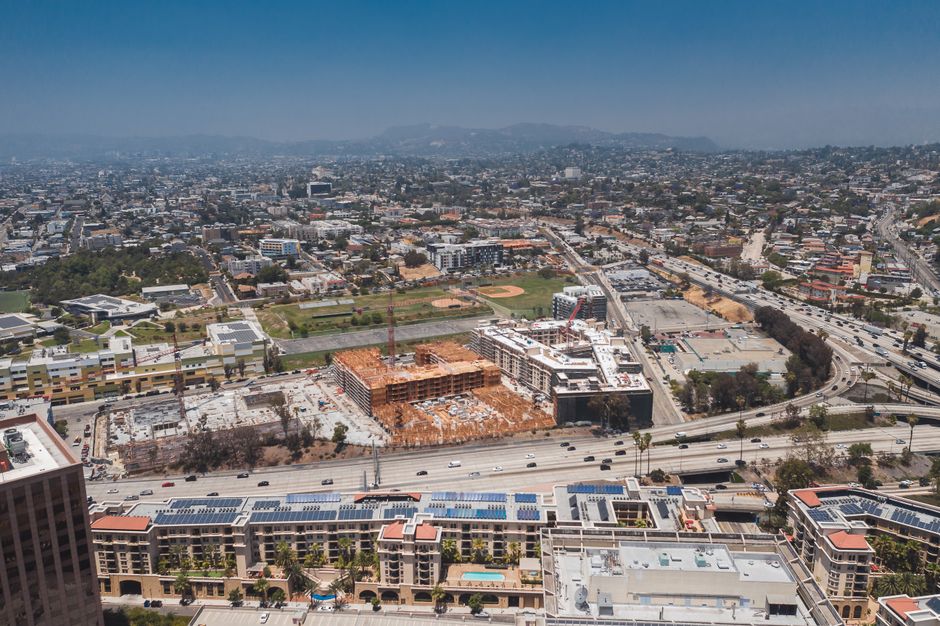
For decades, Boyle Heights has been synonymous with cultural resilience and historic charm—think Mariachi Plaza, the iconic murals lining Whittier Boulevard, and the tight-knit community fabric that has defined East LA. Now, the neighbourhood is experiencing a quiet but significant transformation as affordable housing developers and socially conscious investors increasingly recognise its potential as an alternative to saturated markets like Silver Lake and Echo Park, where median prices hover near the city-wide $870,000 benchmark.
The shift is driven by a confluence of factors. Unlike trendy neighbourhoods where gentrification has priced out working families, Boyle Heights still offers median home prices in the $650,000 to $750,000 range—a meaningful gap for first-time buyers and young professionals. More significantly, the LA River revitalisation project has catalysed renewed interest in the corridor, with new parks, cycling paths, and public spaces transforming underutilised industrial waterfront into community assets.
Recent policy momentum is accelerating change. LA's Affordable Housing Linkage Ordinance now requires developers to contribute to affordable housing funds or build units in-lieu on projects across the city. In Boyle Heights specifically, several large mixed-income developments have broken ground or are in entitlement phases along the river and near the planned Boyle Heights Metro station expansion—projects that will deliver a meaningful percentage of units at workforce rates.
Local organisations like the Boyle Heights Community Development Corporation have been instrumental in shepherding projects that preserve community character. The CDC's recent initiatives have seen renovated housing stock become available to long-term residents and essential workers—nurses, teachers, transit operators—who would otherwise be forced further out to San Gabriel Valley or Long Beach.
Property advisors tracking the market note that investor interest is rising sharply. Unlike speculative plays in Hollywood Hills or Bel Air, capital flowing into Boyle Heights is increasingly driven by impact-focused funds and institutional investors betting on the neighbourhood's fundamentals: walkability, public transit access, cultural anchors, and genuine housing need.
The challenge now is scale. While individual projects matter, advocates argue LA needs bolder policy—more density allowances, streamlined permitting for affordable projects, and dedicated funding mechanisms. But for those priced out of Silver Lake and seeking authentic community roots, Boyle Heights is no longer just a neighbourhood with history. It's becoming a neighbourhood with a future.
This article was compiled by AI and screened before publishing. See our editorial standards.