New LA Developments Show Strong Investor Returns as Construction Boom Reshapes Neighborhoods
Rising rents and property values in emerging projects across Echo Park, East LA and Silver Lake are delivering double-digit yields for early backers.
Rising rents and property values in emerging projects across Echo Park, East LA and Silver Lake are delivering double-digit yields for early backers.
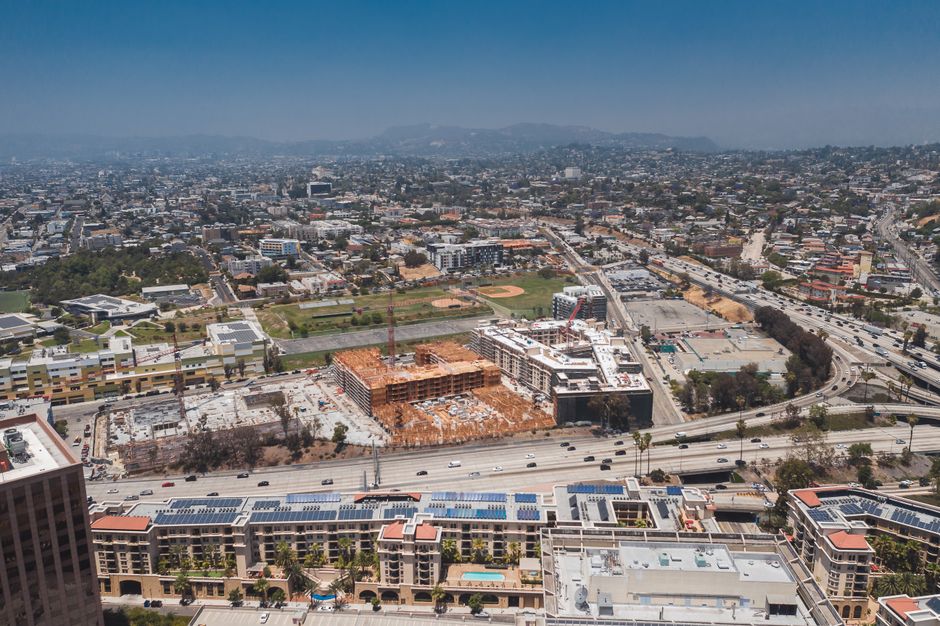
Los Angeles's construction pipeline is generating measurable returns for investors willing to back new developments, with recent completions and near-finished projects across the city's most dynamic neighborhoods showing rental growth that's outpacing the broader market.
Data from recent project launches in Silver Lake and Echo Park reveal investor yields climbing to 6–7.5 percent annually on stabilized multifamily assets—well above the citywide average of 4.2 percent. A 48-unit mixed-use development on Sunset Boulevard in Echo Park, completed in early 2025, is commanding average rents of $2,680 for one-bedroom units, up 18 percent from pre-construction estimates. Similar momentum is visible in East LA, where a trio of new mid-rise residential projects near Whittier Boulevard have attracted institutional capital seeking exposure to neighborhoods where median rents remain 12–15 percent below the LA average of $2,100.
The driver? Construction approvals have accelerated. The city issued 1,247 new residential permits in the first half of 2026, a 31 percent increase year-on-year, with accessory dwelling unit (ADU) projects now representing 34 percent of that total. Investors are targeting corridors with high approval velocity: areas along the Los Feliz Boulevard extension, the Silver Lake arts district, and the Vermont Avenue corridor in Los Feliz.
But the picture is uneven. Luxury developments in Hollywood Hills and Bel Air—where new construction prices average $2.4 million—are absorbing investor capital more slowly. A 12-unit luxury townhouse project in the hills completed late last year took eight months longer to lease than comparable buildings in more accessible neighborhoods, suggesting investor appetite has tilted toward workforce and middle-market housing where demand remains structural.
Cap rates on newer developments across LA currently range from 4.8 to 6.1 percent, depending on location and unit mix. Investors chasing higher yields are increasingly focused on projects with regulatory tailwinds: LA's recent zoning reforms that allow for denser development near transit corridors like the B and D lines have made properties near MacArthur Park and Union Station attractive to opportunistic capital.
The construction approval pipeline suggests this trend will persist. Planning Department data shows 847 projects currently in preliminary review stages across the city, with average approval timelines now at 14 months—down from 22 months in 2023. For investors timing entry into LA's residential market, the message is clear: neighborhoods with shovel-ready approvals and strong demographic fundamentals are delivering returns. The numbers show it's no longer just about location—it's about timing the construction cycle.
This article was compiled by AI and screened before publishing. See our editorial standards.
How does this story make you feel?
Spread the word
About this article
Published by The Daily Los Angeles
Daily brief
Free, in your inbox before 7am. Weekdays.
More in Property
