Luxury Rental Squeeze: How LA's High-End Market is Testing Landlords and Tenants Alike
As luxury properties languish on the rental market, both sides of LA's prestige housing equation are facing unprecedented pressure.
As luxury properties languish on the rental market, both sides of LA's prestige housing equation are facing unprecedented pressure.
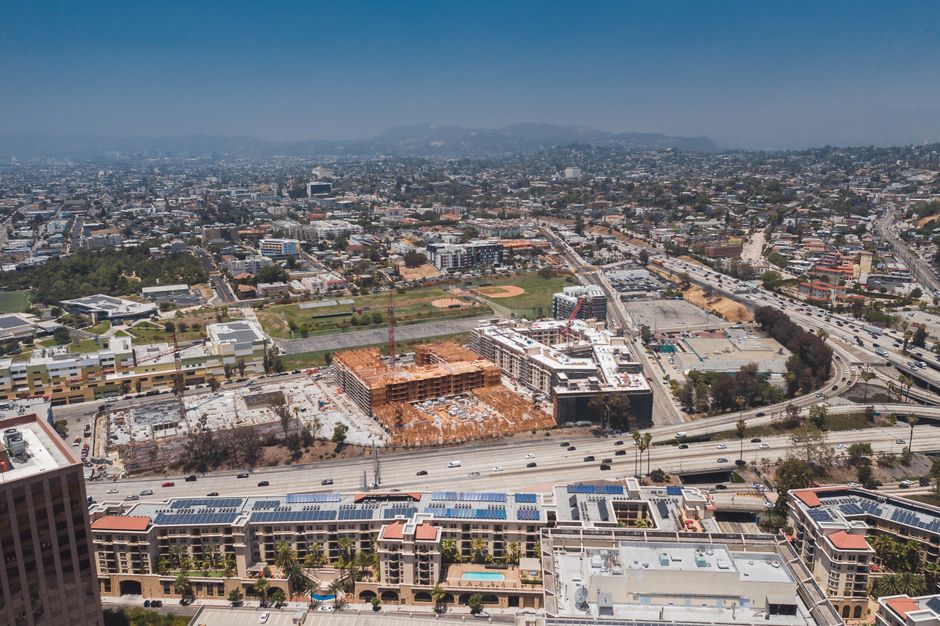
Los Angeles's luxury rental market is experiencing a curious paradox. While the broader residential market holds steady around a $870,000 median home price, the high-end rental sector—traditionally the domain of wealthy transients, entertainment executives, and international investors—is showing unexpected strain.
In neighbourhoods like Silver Lake and Echo Park, where rental properties command premiums of $8,000 to $15,000 monthly for three-bedroom homes, landlords are increasingly offering concessions they wouldn't have entertained two years ago. Free months, furniture included, flexible lease terms: these sweeteners have become standard negotiating tactics as vacancy rates stretch longer than expected.
"The luxury rental market always operated under different rules," explains Marcus Chen, a property manager overseeing high-end homes across Hollywood Hills and Los Feliz. "But those rules have shifted dramatically." Tenants, particularly corporate relocations and entertainment industry professionals, now hold more leverage than they have in over a decade.
The tension reflects a broader recalibration in LA's prestige property space. While East LA has emerged as an unexpected growth zone and the ADU boom continues reshaping middle-market housing, luxury landlords face a different crisis: their traditional tenant base—wealthy individuals seeking temporary accommodation or corporate housing—is either committing to purchases or exploring alternatives entirely.
Some are choosing remote work arrangements that don't require proximity to Sunset Boulevard. Others are purchasing rather than renting, particularly in Bel Air and surrounding Hollywood Hills communities where property acquisition costs, while astronomical, now offer more certainty than rental agreements.
For landlords with significant capital invested in luxury rental properties, the equation is becoming uncomfortable. Mortgage obligations, property taxes, and maintenance costs don't negotiate downward, yet monthly rental rates are softening. Properties near the Grove or along Mulholland Drive that commanded $12,000 monthly are now sitting vacant or renting for $10,000 or less.
Tenants, conversely, find themselves in an unfamiliar position: negotiating power. Yet this advantage comes with uncertainty. The luxury rental market's instability creates its own anxieties—what happens when the market corrects? Will landlords simply exit the rental market entirely, converting properties to sales inventory instead?
Industry observers suggest this moment represents a natural reset after years of landlord-favourable conditions. As LA's prestige property market continues its complex evolution—balancing soaring purchase prices with newly vulnerable rental rates—both sides must recalibrate expectations. For tenants, this window of opportunity may prove temporary. For landlords, patience and flexibility appear to be the only viable strategy.
This article was compiled by AI and screened before publishing. See our editorial standards.
How does this story make you feel?
Spread the word
About this article
Published by The Daily Los Angeles
Daily brief
Free, in your inbox before 7am. Weekdays.
More in Property