New LA Rental Developments Transform Tenant and Landlord Expectations Differently
A surge of apartment approvals across Los Angeles is creating vastly different outcomes depending on which side of the lease you're on.
A surge of apartment approvals across Los Angeles is creating vastly different outcomes depending on which side of the lease you're on.
Listen to this article · 3:47
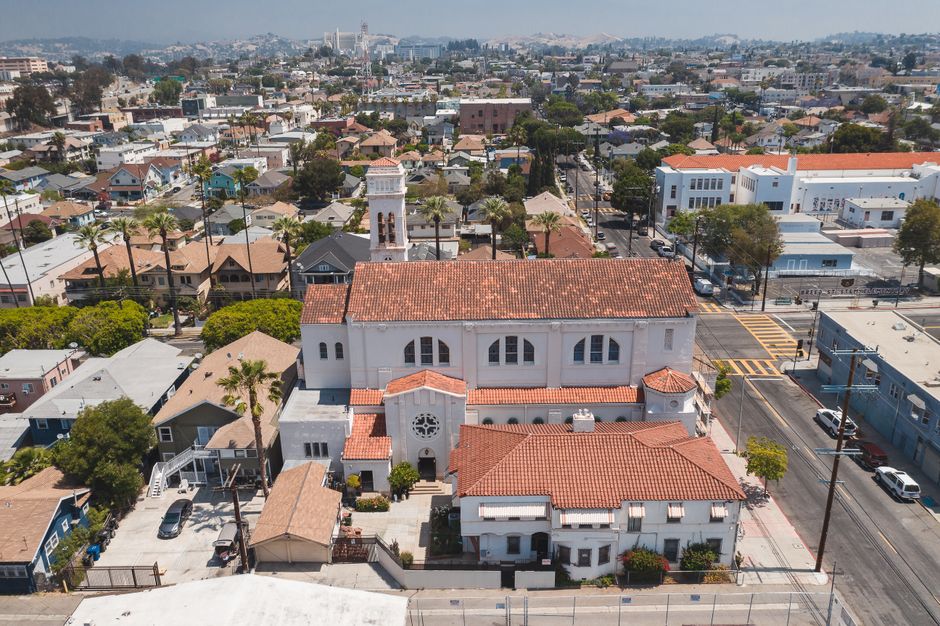
Los Angeles is experiencing a construction renaissance that's fundamentally altering the rental landscape, yet the benefits are landing unevenly across the tenant-landlord divide. With the city approving hundreds of new residential units annually—from Koreatown to Downtown to Arts District corridors—the market dynamics are shifting in ways that challenge both renters and property owners.
The numbers tell a compelling story. City Planning data shows approximately 3,000 residential units approved in 2025 alone, with similar pipelines expected through 2027. For tenants, this glut of new supply in certain neighbourhoods is finally creating breathing room. In Central LA, where new mid-rise developments along Olympic Boulevard and along the Vermont corridor are delivering units at $2,200-$2,600 for two-bedroom apartments, renters are finding negotiating power they haven't wielded in years. Month-to-month lease flexibility, move-in concessions, and frozen rent increases have become competitive tools rather than exceptions.
But landlords managing existing stock—particularly in Silver Lake, Echo Park, and parts of the Hollywood Hills where development is more constrained—face a different reality. Newer construction siphons demand away from older buildings. Property managers report increased vacancy periods and downward pressure on rents for units that lack modern amenities, updated kitchens, or in-unit laundry. A landlord operating a 1960s apartment complex on Fountain Avenue in Hollywood described the challenge bluntly: competing against gleaming new construction near the Los Angeles Public Library downtown requires either significant capital investment or acceptance of lower rental rates.
The ADU boom complicates this further. Across Los Angeles, accessory dwelling unit approvals have accelerated dramatically, particularly in neighborhoods like Eagle Rock and Boyle Heights. These modest units rent for $1,400-$1,900 monthly, undercutting traditional rental markets and fragmenting the investor base. Some long-term landlords are reconsidering their approach entirely—converting properties to owner-occupied or selling to developers—rather than managing in an increasingly fragmented market.
Yet supply isn't uniform. East LA and areas along the Metro corridor remain undersupplied relative to demand. Here, landlords retain pricing power while tenants face limited options. The median Los Angeles rent of approximately $2,100 for a one-bedroom masks stark geographic variation.
As new developments continue breaking ground from Downtown to the Eastside, the rental market is becoming two distinct economies: areas flooded with new supply where tenants gain leverage, and neighborhoods where scarcity persists. Smart money—both tenants and landlords—is positioning based on their location's construction pipeline.
This article was compiled by AI and screened before publishing. See our editorial standards.
How does this story make you feel?
Spread the word
About this article
Published by The Daily Los Angeles
Daily brief
Free, in your inbox before 7am. Weekdays.
More in Property