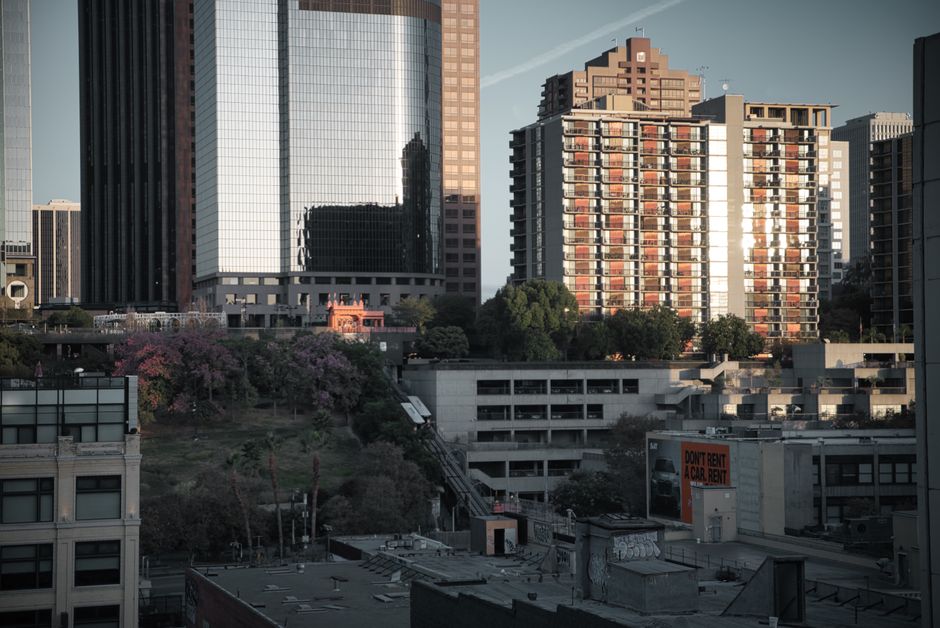
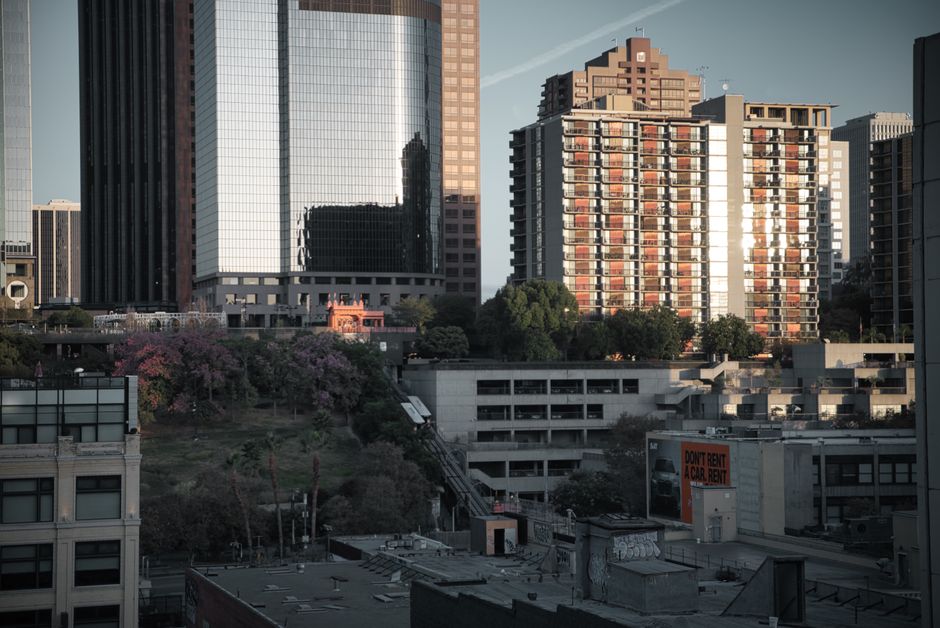
Los Angeles is experiencing a construction renaissance that extends far beyond the usual Westside suspects. After years of permitting delays and zoning gridlock, the city's Department of City Planning has fast-tracked approvals for mixed-use developments that promise to reshape neighbourhoods struggling with housing scarcity and aging infrastructure.
The most significant shift is happening in East Hollywood and Silver Lake, where five major projects have received final approvals in the past eighteen months. A 285-unit mid-rise complex near Sunset Boulevard and Fountain Avenue broke ground in May, introducing contemporary apartments in a neighbourhood where median rents now approach $2,400 for a one-bedroom—well above the city average. The project, designed to include ground-floor retail and 115 parking spaces, exemplifies the City's push toward transit-friendly density without sacrificing neighbourhood character.
Silver Lake's own transformation accelerated after zoning changes in 2024 opened doors for adaptive reuse conversions. A historic warehouse complex on Glendale Boulevard is being repositioned as 156 lofts and creative office space, capitalising on the neighbourhood's established arts community while addressing acute housing pressure that's seen comparable units spike 22 per cent in three years.
But new construction isn't confined to trendy eastside pockets. Echo Park and Los Feliz are witnessing comparable momentum. A 198-unit project near Echo Park Lake received environmental clearance last month, signalling the City's willingness to densify near recreational amenities—a marked departure from previous decades when park-adjacent development faced fierce community opposition.
The broader implications matter more than any single project. With LA's median home price hovering near $870,000 and rental vacancy below 3 per cent, these approvals represent the fastest residential pipeline in over a decade. City Planning data suggests 12,000 residential units are currently under construction or approved across LA proper, compared to 3,200 just five years ago.
Yet challenges remain. Affordable housing requirements—mandated at 15 per cent for projects over 50 units—mean developers face mounting pressure to maintain margins. Several projects have sought density bonuses and parking reductions to remain financially viable. Infrastructure capacity is another constraint; traffic modelling for the Sunset Boulevard project flagged congestion concerns that required revised phasing.
For residents, the calculus is mixed. New supply typically moderates rent growth, but neighbourhood character shifts are contentious. Silver Lake and Echo Park have experienced the most pushback, with community groups citing parking strain and displacement fears. Still, with demand vastly outpacing supply, most new development ultimately wins approval.
As construction cranes multiply across LA's landscape, the city faces a defining question: Can it build fast enough to ease the housing crisis without eroding the neighbourhood identity that makes these areas desirable in the first place?
This article was compiled by AI from the sources linked above and screened before publishing. See our editorial standards.