LA Rental Market Trends: Silver Lake to Downtown Shift
Discover how Los Angeles rental market squeeze is reshaping Silver Lake, Downtown LA, and neighbourhood dynamics as landlords adapt to tightening vacancies and rising rents.
Discover how Los Angeles rental market squeeze is reshaping Silver Lake, Downtown LA, and neighbourhood dynamics as landlords adapt to tightening vacancies and rising rents.
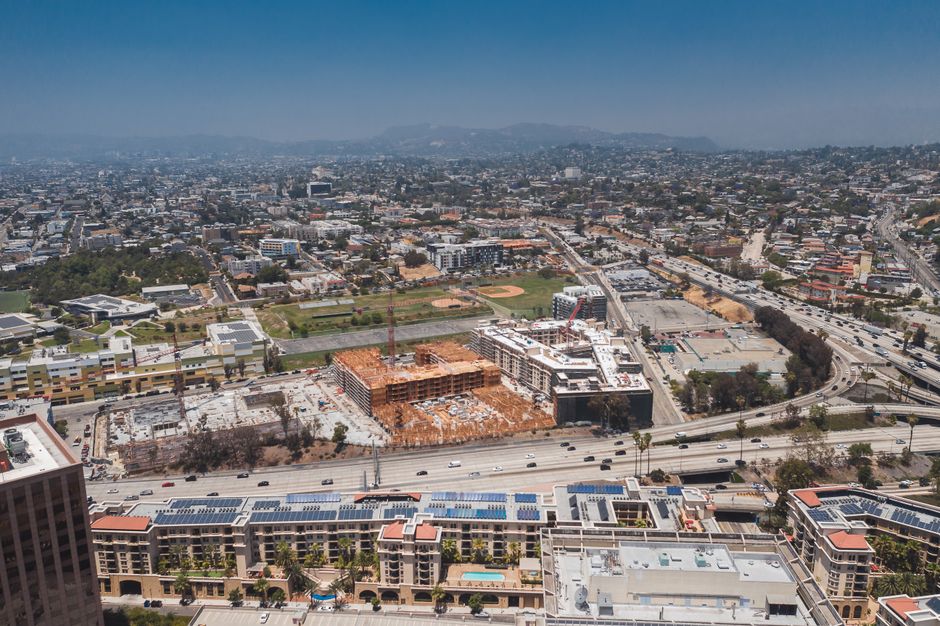
The rental landscape across Los Angeles has undergone a seismic shift in the past eighteen months, creating winners and losers on both sides of the landlord-tenant divide. From the tree-lined streets of Silver Lake to the revitalised corridors of Downtown LA, property owners and renters are navigating unprecedented conditions that are fundamentally altering neighbourhood composition and investment calculus.
Silver Lake, long a haven for creative professionals and young families, has become a case study in this transformation. Average rents on Hyperion Avenue and around the reservoir have climbed to $2,800 for a two-bedroom, pushing out the mid-career artists and musicians who defined the neighbourhood's character a decade ago. Landlords report fierce competition for tenants who can clear background checks and provide proof of income at 3x the monthly rent—a standard that's leaving many long-time renters stranded.
Meanwhile, East LA is experiencing the inverse dynamic. The neighbourhood's growing appeal has attracted institutional investors and small portfolio landlords alike, with properties along Whittier Boulevard appreciating steadily. Yet rapid gentrification is creating tension: newer landlords expecting market-rate rents are displacing tenants who've occupied units for years, sometimes triggering Ellis Act evictions despite California's stringent tenant protections.
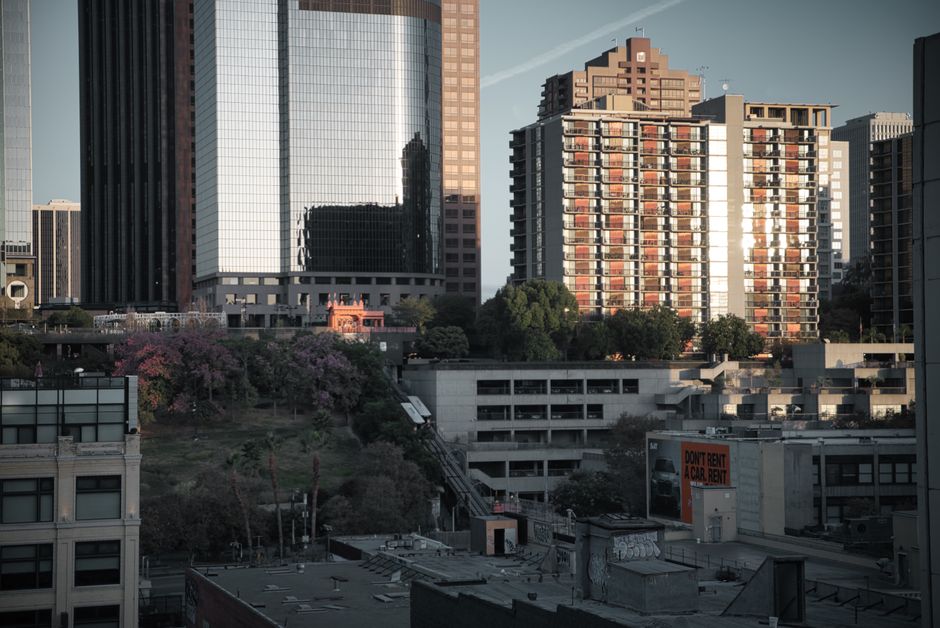
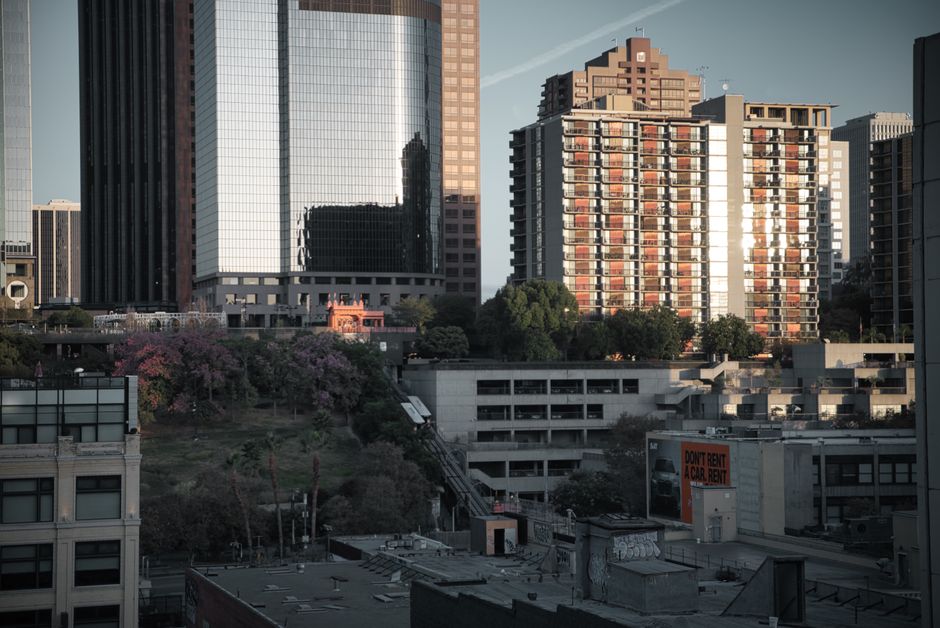
Downtown LA presents another puzzle entirely. The residential boom along Spring Street and around The Broad has created a bifurcated market—luxury apartments commanding $3,200+ monthly alongside older buildings where long-term tenants enjoy below-market rents. Property owners are increasingly caught between maximising returns and managing the regulatory complexity of LA's rent control provisions and tenant right-to-counsel ordinances.
The data tells a stark story: LA's vacancy rate hovered near 3 per cent as of mid-2026, well below the 5 per cent economists consider healthy. Median rents have climbed 12 per cent year-over-year in prime neighbourhoods. For landlords, this tightness should signal opportunity—yet regulatory uncertainty is dampening enthusiasm. Many small owners report rising insurance, maintenance, and compliance costs that eat into margins even as rents climb.
For tenants, the squeeze is acute. The Hollywood housing crisis has rippled outward; renters are clustering in more affordable pockets of Echo Park and Boyle Heights, driving secondary displacement waves. Advocacy groups report rising calls to their helplines from those facing $500-600 monthly increases at lease renewal.
The real question emerging isn't whether rents will fall—few expect that—but rather which neighbourhoods will retain their character, and which will transform entirely. For investors and property managers, that uncertainty is reshaping decisions about hold periods, renovation strategies, and tenant relations management.
This article was compiled by AI from the sources linked above and screened before publishing. See our editorial standards.
How does this story make you feel?
Spread the word
About this article
Published by The Daily Los Angeles
Daily brief
Free, in your inbox before 7am. Weekdays.
More in Property