What LA's Auction Data and Price Crashes Are Signalling About the Affordable Housing Crisis
Falling values in working-class neighbourhoods and rising distressed sales reveal where the market is breaking—and where social housing must step in.
Falling values in working-class neighbourhoods and rising distressed sales reveal where the market is breaking—and where social housing must step in.
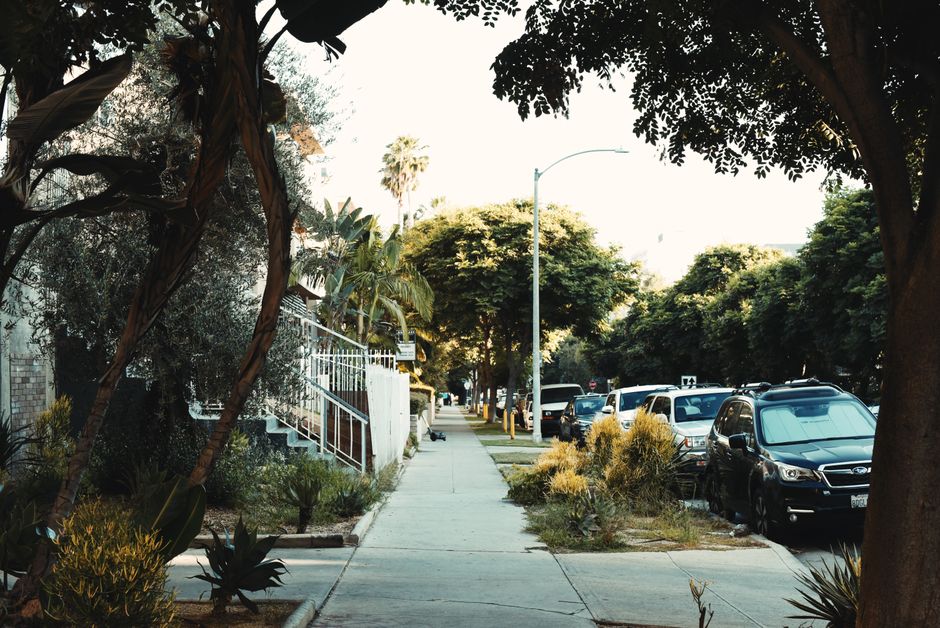
Los Angeles property auctions tell a story the glossy listings won't. While Silver Lake and Echo Park command premium prices near the $870,000 median, working-class neighbourhoods across South LA, Boyle Heights, and parts of Long Beach are experiencing what appraisers call a "compression"—prices stalling or declining even as demand for genuinely affordable housing has never been higher.
Recent auction data from the past quarter shows a troubling pattern. Distressed sales in neighborhoods like Watts and South Gate—historically working-class districts—are clearing at 15–22% discounts to comparable non-distressed sales. Meanwhile, foreclosure notices in these same areas remain elevated, suggesting that even modest homeownership remains fragile for lower-income Angelenos. The median price for a two-bedroom home in East LA hovers around $580,000, a figure that locks out most teachers, nurses, and service workers earning $50,000–$70,000 annually.
For policy-makers, the signal is unmistakable: market forces alone cannot solve LA's affordable housing shortage. The city's 40,000-plus unhoused residents and clogged rental markets demand intervention. County Assessor's Office data shows that rent-burdened households—those paying more than 30% of income on housing—now represent 48% of LA County renters, up from 41% five years ago.
The ADU boom, heralded as a silver bullet, has proven selective. Silver Lake and Los Feliz are saturated with secondary units catering to remote workers willing to pay $2,200 for a converted garage. Meanwhile, dense neighbourhoods like Koreatown and Pico-Union, where ADUs could genuinely ease pressure, face financing and zoning friction that thwarts smaller developers.
City and county officials are watching these signals closely. The LA Housing Department has ramped up acquisitions in overlooked corridors—particularly along the Vermont Avenue corridor and near the Gold Line stations—betting that early intervention in moderately-priced areas will prevent the kind of wholesale displacement now rampant in formerly affordable pockets of Hollywood and West Hollywood.
The auction data, then, is a canary in the coal mine. Distressed sales, compressed valuations, and persistent rent burden all point to a market in structural crisis. Without aggressive social housing policies—including nonprofit land trusts, deed restrictions, and public acquisition—LA risks watching price signals become displacement signals. The numbers don't lie: the market is breaking in exactly the neighbourhoods where Angelenos can least afford it.
This article was compiled by AI from the sources linked above and screened before publishing. See our editorial standards.
How does this story make you feel?
Spread the word
About this article
Published by The Daily Los Angeles
Daily brief
Free, in your inbox before 7am. Weekdays.
More in Property