LA Luxury Rental Market Shift: Tenants Gain Leverage
Rising rates reshape LA's luxury rentals from Bel Air to Silver Lake. Affluent renters now negotiate better terms as landlords compete for quality tenants in 2024.
Rising rates reshape LA's luxury rentals from Bel Air to Silver Lake. Affluent renters now negotiate better terms as landlords compete for quality tenants in 2024.
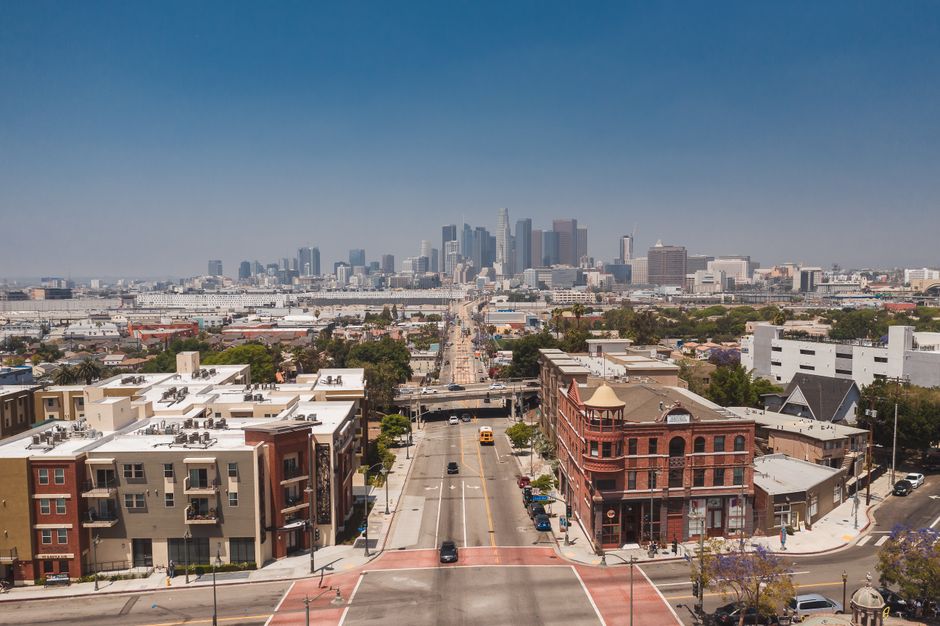
Los Angeles's luxury rental market is undergoing a subtle but significant shift. As the Federal Reserve maintains elevated interest rates—currently hovering near 5.5 per cent—property owners in prestige neighbourhoods are facing margin compression that's forcing a reassessment of tenant relations and rental strategies.
In Bel Air and the Hollywood Hills, where ultra-premium properties routinely command $15,000 to $40,000 monthly, landlords are increasingly competing for quality tenants rather than simply selecting from a queue. Real estate professionals report longer vacancy periods and greater willingness to negotiate lease terms. For affluent renters seeking six-month or flexible arrangements, the shift represents genuine negotiating power—a departure from the seller's market that dominated through 2023.
The pressure stems from multiple directions. Owner-occupancy costs have risen substantially; mortgage rates on investment properties exceed 7 per cent, while property taxes and insurance climb annually. Simultaneously, the broader LA market—sitting at a USD 870,000 median—has cooled modestly, reducing speculative buying and rental demand across price tiers.
East LA and Silver Lake tell a different story, however. These neighbourhoods, popular with younger high-net-worth individuals and creative professionals, remain competitive. Here, landlords maintain pricing discipline, though many now offer concessions like furnished packages or flexible lease lengths to secure tenants willing to commit long-term.
For institutional landlords managing portfolio properties near major employment hubs—Santa Monica, Beverly Hills, downtown LA—the calculus has shifted toward stability over maximum rent extraction. Extended vacancy costs more than modest rent reductions. This philosophy increasingly extends to luxury segments, where a three-month vacant unit represents substantially lost income.
The rental climate also reflects demographic shifts. High-earning professionals relocating to LA for entertainment, technology, and finance roles show greater price sensitivity than previous cohorts. They're scrutinising amenities, lease flexibility, and neighbourhood stability with data-driven precision.
Industry observers note this environment may prove constructive long-term. Landlords investing in genuine tenant experience—quality maintenance, responsive management, community amenities—are differentiating successfully. Conversely, those relying on premium positioning alone face headwinds.
As the RBA and Federal Reserve signal continued monetary caution, expect these dynamics to persist through 2026. For LA's luxury rental market, the era of unconditional landlord advantage has definitively ended. What emerges is a more balanced negotiating environment where both parties must genuinely compete for agreement.
This article was compiled by AI from the sources linked above and screened before publishing. See our editorial standards.
How does this story make you feel?
Spread the word
About this article
Published by The Daily Los Angeles
Daily brief
Free, in your inbox before 7am. Weekdays.
More in Property