LA Rental Market 2024: How Tight Vacancy Reshapes Deals
Explore how Los Angeles' shrinking vacancy rates and rising rents are forcing landlords and tenants to renegotiate the rental equation, from Silver Lake to Echo Park.
Explore how Los Angeles' shrinking vacancy rates and rising rents are forcing landlords and tenants to renegotiate the rental equation, from Silver Lake to Echo Park.
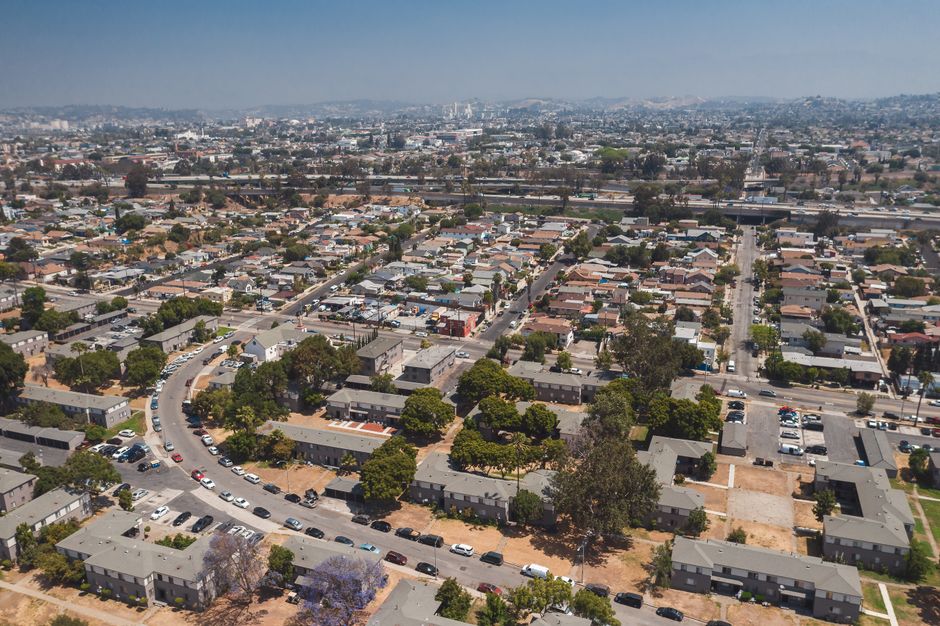
Los Angeles landlords are discovering that fat rental yields don't guarantee smooth sailing. While median rents have surged across the city—with Silver Lake and Echo Park commanding $2,800 to $3,400 for two-bedroom units—the mechanics of property investment are becoming far more complex than simple price appreciation.
The current rental landscape reflects a market under genuine stress. Vacancy rates in central LA neighbourhoods hover around 3-4%, creating fierce competition among tenants willing to bid up rents. Yet this apparent landlord victory masks a troubling reality: tenant churn is accelerating, deposit disputes are mounting, and regulatory pressure continues mounting from City Hall and Sacramento.
For investors banking on the classic 5-6% gross yield on property values near the $870,000 median, the math is tightening. Hollywood Hills and Bel Air properties commanding premium prices generate lower percentage returns, while East LA—experiencing genuine growth as young families seek affordability—attracts careful investors aware that tenant income stability matters more when margins are thinner.
Tenant advocates argue the squeeze is unsustainable. Renters along Sunset Boulevard, in Los Feliz, and across the San Fernando Valley are spending 45-50% of household income on rent, up from the traditional 30% benchmark. This drives longer lease negotiations, guarantor requirements, and background checks that frustrate quality tenants while doing little to improve landlord security.
Smart property operators are pivoting toward retention-focused strategies. Rather than maximising annual rent growth, successful landlords are investing in maintenance, responsive management, and reasonable increases that keep stable tenants in place. The maths shift dramatically when you factor in vacancy costs, turnover expenses, and legal fees that can easily consume $8,000-$15,000 per property cycle.
The Accessory Dwelling Unit boom reshaping neighbourhoods from Koreatown to Eagle Rock offers a partial pressure release, but creates new landlord-tenant dynamics around shared properties and complex zoning compliance that require expert navigation.
For June 2026, the message is clear: Los Angeles rental yields are no longer about simple extraction. Successful investors are those who recognise that sustainable returns demand tenant stability, regulatory compliance, and realistic growth expectations. The days of aggressive annual increases and rapid turnover are giving way to a more measured, relationship-focused approach that benefits both parties—and ultimately strengthens the investment fundamentals that made LA property attractive in the first place.
This article was compiled by AI from the sources linked above and screened before publishing. See our editorial standards.
How does this story make you feel?
Spread the word
About this article
Published by The Daily Los Angeles
Daily brief
Free, in your inbox before 7am. Weekdays.
More in Property