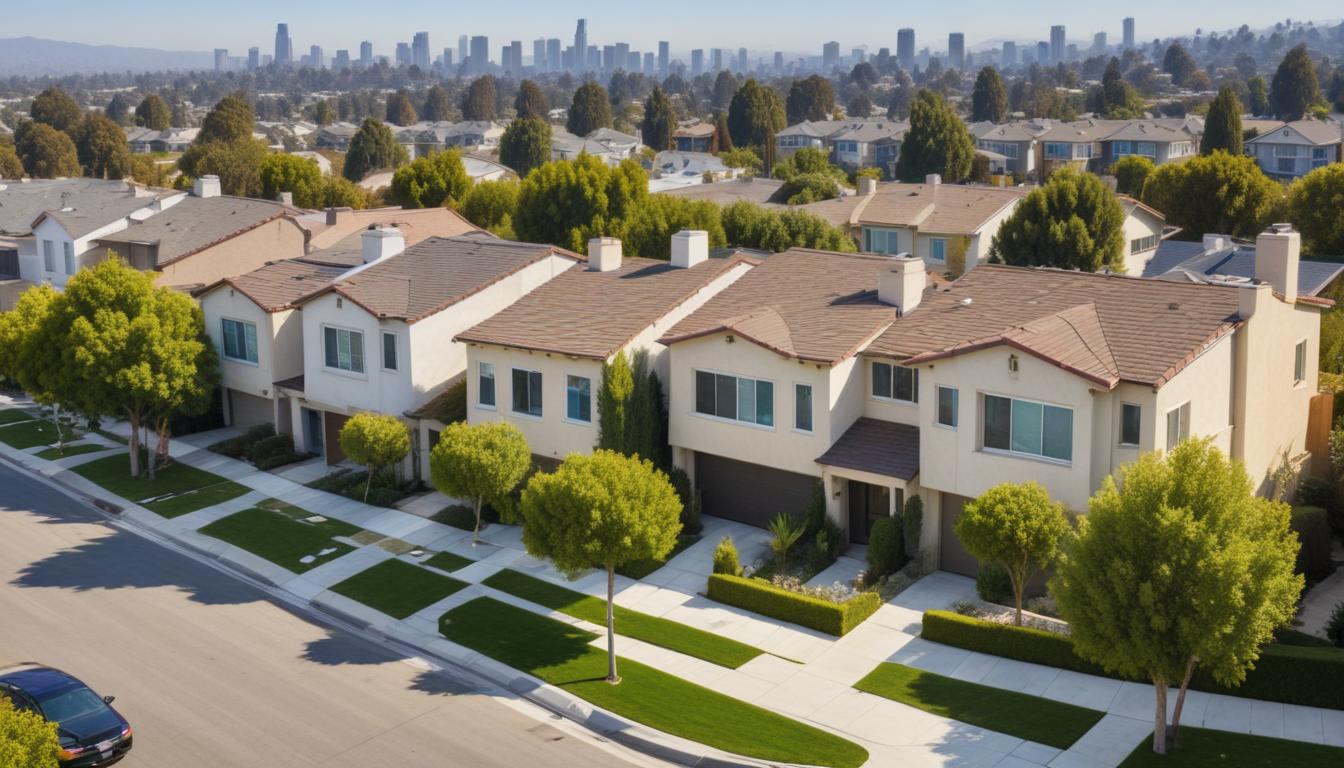
The Los Angeles property investment landscape is delivering mixed signals as we head into the second half of 2026. While the median home price hovers around $870,000, savvy investors tracking rental yields across the city's most active neighbourhoods are discovering that the old rule of buying cheap and renting dear is becoming increasingly difficult to execute.
Data from local property management firms and investment tracking services shows gross yields ranging from 3.2 to 4.8 percent across desirable rental markets. Silver Lake and Echo Park—long favourites among young professionals and creative tenants—are seeing yields compress toward the lower end of that spectrum, with a typical two-bedroom home selling for $1.1 to $1.3 million now commanding monthly rents of $3,500 to $4,200. The mathematics are tighter than they were three years ago, though still serviceable for long-term holders banking on appreciation.
East LA tells a different story. As infrastructure investment flows toward the neighbourhood and the Metro's planned extensions near Whittier Boulevard gain traction, investor interest has intensified. Properties in the $650,000 to $850,000 range are yielding closer to 4.5 percent, making the area increasingly competitive for small-scale landlords and larger syndicates alike. However, that yield advantage is already pricing in future growth—purchase prices in pockets of Boyle Heights and Lincoln Heights have risen 8 to 12 percent year-over-year.
The accessory dwelling unit (ADU) boom is reshaping yield calculations. Investors subdividing lots across Los Angeles—particularly in lower-density zones south of the Santa Monica Mountains and throughout the San Fernando Valley—are reporting gross yields of 5 to 6 percent by adding secondary units to existing properties. The strategy requires upfront capital and navigates Byzantine municipal approvals, but it's attracting institutional attention as single-family rental yields compress.
Luxury segments tell yet another tale. Hollywood Hills and Bel Air properties above $3 million are trading primarily on scarcity and long-term capital appreciation rather than yield; many see sub-2 percent annual rental returns, with investors accepting lower cash flow in exchange for trophy assets and perceived stability.
What the numbers reveal is a market in transition. Investors chasing yield are being forced further afield or deeper into renovation plays. Those with capital are hunting in emerging corridors like East LA and the ADU-friendly zones. The $870,000 median masks significant variation: returns depend entirely on where you buy and what you build.
This article was compiled by AI from the sources linked above and screened before publishing. See our editorial standards.