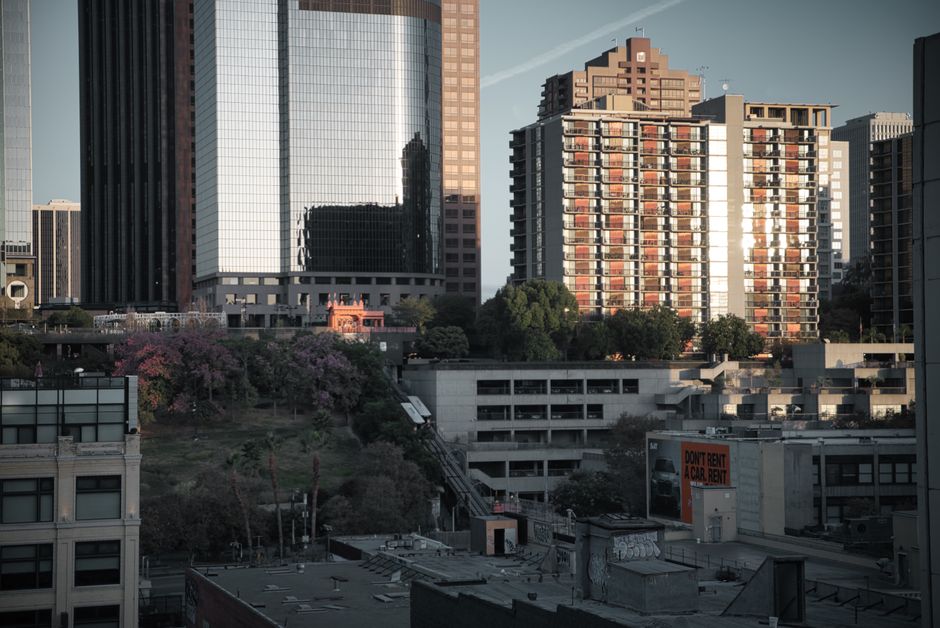
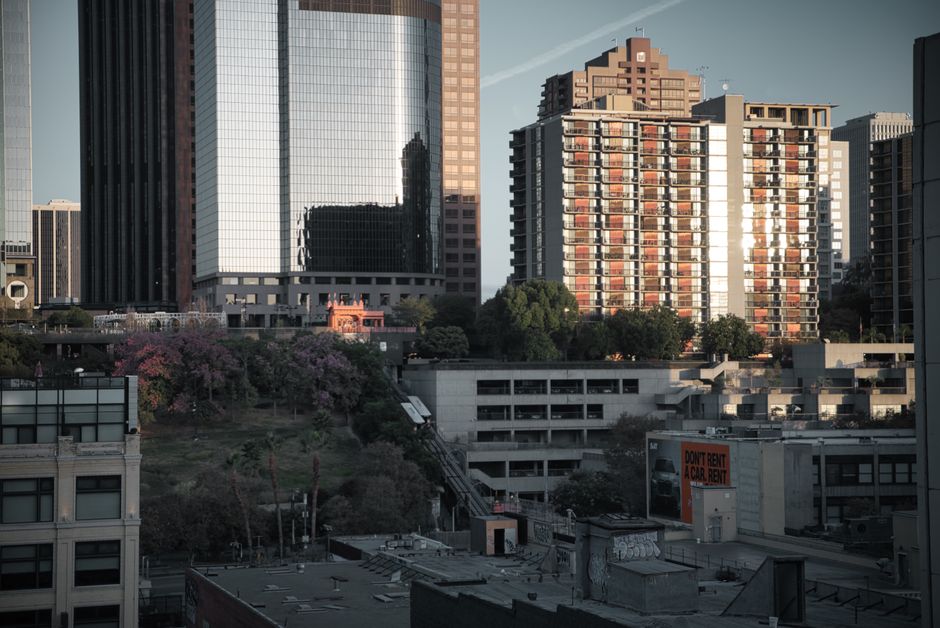
Los Angeles is in the grip of an affordability crisis that extends far beyond headlines about $2 million teardowns. With the median home price sitting at $870,000, younger buyers and working families are being systematically locked out of neighbourhoods that were once attainable—and understanding why is crucial if you're considering entering the market now.
The core issue boils down to supply. Despite California's 2021 SB 9 and SB 10 laws allowing single-family homeowners to split properties and create accessory dwelling units (ADUs), implementation remains patchy across LA County. East LA, long positioned as an affordable gateway, has seen median prices climb 12 per cent year-on-year partly because limited ADU adoption hasn't kept pace with demand. Meanwhile, Silver Lake and Echo Park—once the stomping ground of artists and young professionals—have become boutique markets where $750,000 buys a modest 1950s bungalow.
Development costs tell another story. Constructing new affordable units now runs $450,000 to $550,000 per unit when land, labour, and compliance with LA's seismic retrofit requirements are factored in. Nonprofit organisations working through the Community Development Department report that city parking mandates and lengthy discretionary review processes add 18 to 24 months to project timelines. That translates to carrying costs that developers pass directly to buyers or renters.
Zoning remains the elephant in the room. Large swaths of LA's desirable neighbourhoods—including pockets of Hollywood Hills and the surrounding foothills—remain locked into single-family zoning that prohibits multi-unit development. A 2024 analysis found that fewer than 8 per cent of LA's residential zones permit housing at densities that could meaningfully address affordability.
What should buyers know before moving forward? First, the ADU boom is real but uneven—neighbourhoods with relaxed setback requirements and expedited permitting (parts of Koreatown and Downtown) may offer better value. Second, first-time buyer programmes through the LA Housing Department and organisations like Habitat for Humanity are expanding, though waitlists stretch into 2027 for many neighbourhoods. Third, expect competition to remain fierce; cash buyers and institutional investors are actively acquiring older properties in up-and-coming East LA corridors.
The policy conversation is shifting. City Council is pushing to expand density near transit nodes and reduce parking mandates on infill projects. Whether these changes move fast enough to cool prices remains uncertain. What's clear: waiting may only tighten the noose further.
This article was compiled by AI from the sources linked above and screened before publishing. See our editorial standards.