LA Zoning Changes Reshape Real Estate Investment
How Los Angeles transit-oriented development rules and ADU approvals are shifting property investment hotspots across Metro corridors and neighborhoods.
How Los Angeles transit-oriented development rules and ADU approvals are shifting property investment hotspots across Metro corridors and neighborhoods.
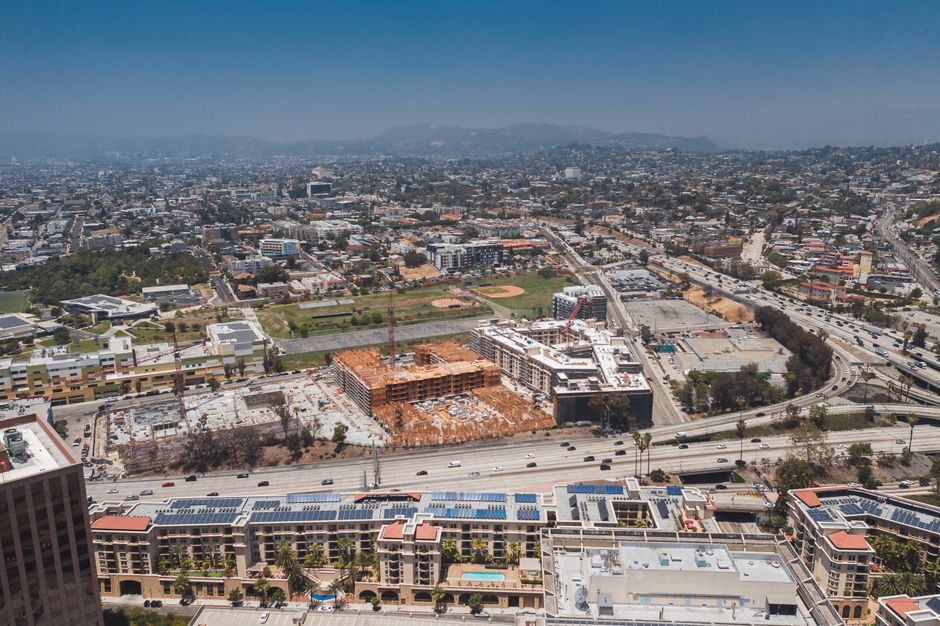
Los Angeles property investors are recalibrating their strategies as sweeping zoning reforms reshape which neighbourhoods offer the strongest returns. The city's recent decision to fast-track approvals for transit-oriented development near Metro stations—particularly along the Red Line corridor through Hollywood and East LA—has triggered a notable shift in buyer sentiment, with median prices climbing faster in affected zones than across the broader market.
East Los Angeles exemplifies the pattern. Previously overlooked by institutional investors, the area is experiencing accelerated growth following the city's streamlined environmental review process for projects within a quarter-mile of transit hubs. Properties near the Mariachi Plaza Metro station have seen increased speculative activity, with modest mid-century homes listing 15-20 per cent higher than comparable properties just three blocks away. The policy change signals confidence in long-term gentrification and transit-driven density, drawing both owner-occupants and portfolio builders.
Meanwhile, Silver Lake and Echo Park—already commanding premiums around the $870,000 median—are experiencing a different policy-driven effect. New restrictions on short-term rental permits and stricter owner-occupancy requirements for multi-unit conversions have cooled investor flipping activity while stabilising long-term rental yields. Sellers report slightly longer marketing times but fewer speculative offers, suggesting a market reset toward fundamental value rather than quick gains.
The ADU boom remains the city's most visible policy impact. Since Los Angeles eased approval timelines and reduced parking requirements for accessory dwelling units, neighbourhoods from Atwater Village to Los Feliz have seen homeowner applications surge. Properties with ADU-ready footprints—particularly those with mature lots and side access—now command measurable premiums. Real estate agents report enquiries explicitly asking about ADU development potential, a rarity two years ago.
Hollywood Hills and Bel Air, traditionally insulated from zoning volatility, have felt indirect pressure. Tighter regulations on hillside development and mandatory fire-safety improvements have made vintage estates more expensive to renovate, pushing luxury buyers toward pre-existing modern compounds. This has created unexpected opportunity zones in the foothills fringe areas, where compliant properties offer fewer headaches.
The broader pattern is clear: policy no longer follows property markets in Los Angeles—it shapes them. Savvy investors now monitor city planning committee agendas and City Hall zoning proposals as closely as comparable sales. The neighbourhoods winning today aren't necessarily those with the strongest historical appreciation, but those whose zoning future aligns with council priorities: transit access, housing density, and neighbourhood stability. For buyers with a two-to-five-year horizon, understanding these policy currents matters more than ever.
This article was compiled by AI from the sources linked above and screened before publishing. See our editorial standards.
How does this story make you feel?
Spread the word
About this article
Published by The Daily Los Angeles
Daily brief
Free, in your inbox before 7am. Weekdays.
More in Property