How LA's New Zoning Rules Are Reshaping Who Can Afford to Live Here
Planning reforms aimed at unlocking affordability are already moving the needle on prices across Silver Lake, Echo Park and beyond—but not always in the ways policymakers expected.
Planning reforms aimed at unlocking affordability are already moving the needle on prices across Silver Lake, Echo Park and beyond—but not always in the ways policymakers expected.
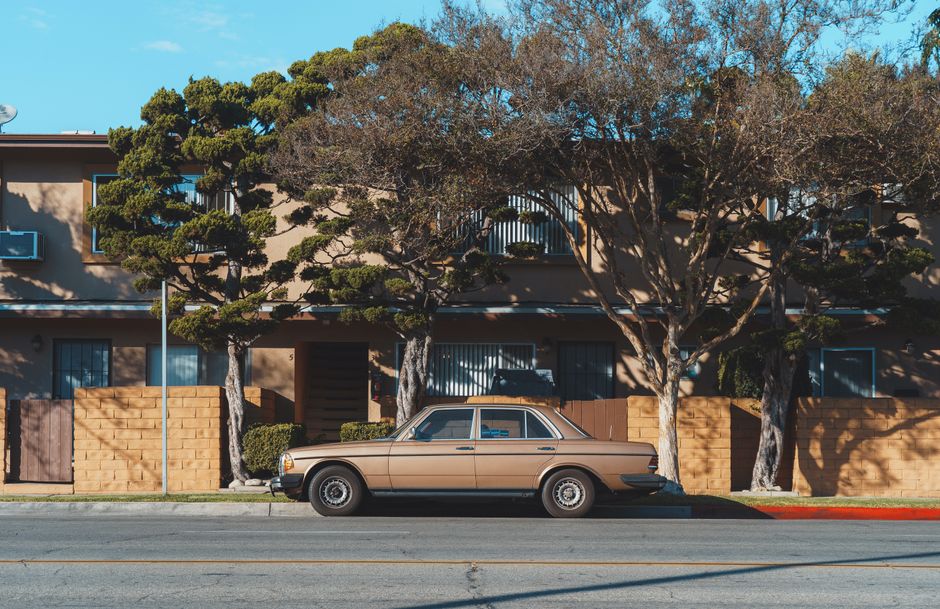
When Los Angeles streamlined its accessory dwelling unit (ADU) approval process in 2024, planners hoped to inject hundreds of affordable rentals into neighbourhoods starved of housing. Eighteen months in, the impact is measurable—and complicated.
Silver Lake and Echo Park, long the domain of $1.2 million starter homes and gentrifying renters, have seen a 12 percent spike in property values since the policy took effect. Meanwhile, East LA—where ambitious zoning changes promised to unlock multifamily development along corridors like Whittier Boulevard—is experiencing slower but steadier appreciation, with median prices climbing toward $750,000 from $620,000 a year ago.
The disconnect reveals a fundamental truth about LA's housing crisis: policy interventions that increase supply can actually accelerate demand in desirable neighbourhoods before affordability gains materialise.
"We're seeing a two-speed market," explains analysis from the LA County Department of Regional Planning. Properties in neighbourhoods with streamlined approvals process are attracting investor attention. In Hollywood Hills and Bel Air, where strict architectural review boards remain in place, sales velocity has actually slowed—suggesting affluent homeowners view faster-changing neighbourhoods as less stable long-term investments.
The most telling statistic comes from Downtown LA's living+working initiative, a 2022 planning reform that expedited loft conversions. Five hundred new residential units have come online; median rents in the Broadway corridor jumped 18 percent in the same period. The supply came, but so did demand from those who could afford it.
What's different this time is granularity. Planners now track affordability outcomes neighbourhood by neighbourhood. Echo Park's ADU boom has produced genuine below-market units—primarily because owners there are renovating modest 1920s cottages where land values don't yet support luxury development. Compare that to Silver Lake's newer approvals, clustered around Sunset Boulevard, where even ADUs are commanding $2,200 monthly rents.
The LA City Council is responding. A proposal before the Planning and Land Use Management Committee would tie future zoning reforms to affordability mandates, requiring developers seeking density bonuses to commit a percentage of units below Area Median Income levels.
For now, the city sits at an inflection point. Policy is moving faster than housing supply can absorb. The question facing LA isn't whether planning changes work—they clearly do—but whether they're being paired with the enforcement mechanisms necessary to benefit those most priced out of the market. Without it, even reform-minded cities risk pricing their way to a crisis, one zoning change at a time.
This article was compiled by AI from the sources linked above and screened before publishing. See our editorial standards.
How does this story make you feel?
Spread the word
About this article
Published by The Daily Los Angeles
Daily brief
Free, in your inbox before 7am. Weekdays.
More in Property