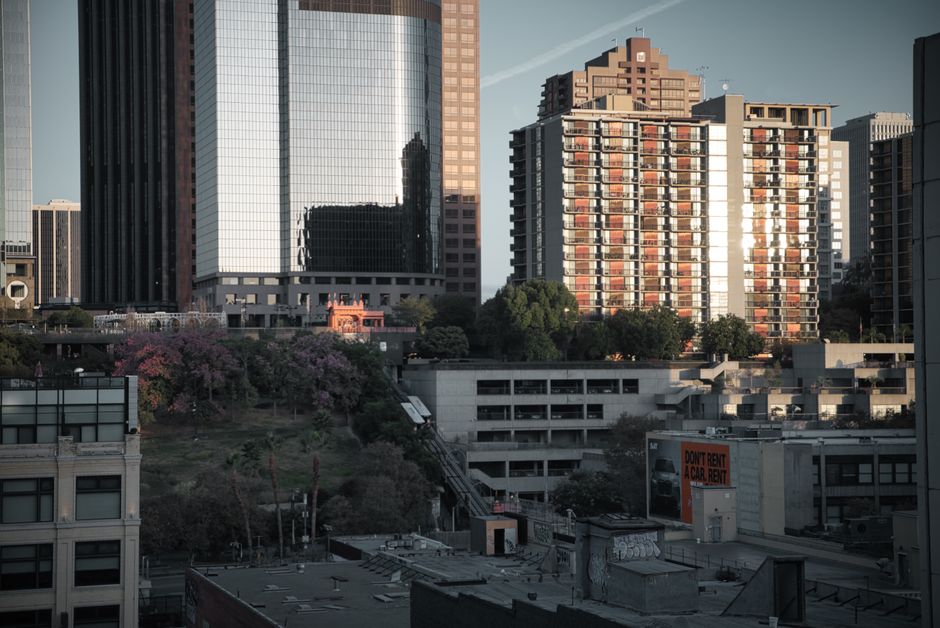
Silver Lake is about to get taller. The approval last month of a 12-storey residential tower on Sunset Boulevard—featuring 280 apartments, ground-floor retail, and 180 parking spaces—marks the neighbourhood's largest single housing addition in a decade. For a city grappling with a median home price of $870,000 and persistent rental shortages, the development offers a rare glimpse of supply meeting demand, even if the equation remains uneasily balanced.
The project, slated for completion in 2028, arrives as Los Angeles confronts a rental vacancy crisis. The broader LA County market hovers near historic lows, with Silver Lake and neighbouring Echo Park—where median rents have climbed past $2,800 for a two-bedroom—among the most competitive pockets. Property managers report leasing cycles collapsing from 45 days to under two weeks for decent units. The new tower's planned mix, including roughly 60 units designated for below-market-rate occupancy, will inject urgency into local conversations about who actually gets to live here.
For context, Silver Lake's transformation has been swift. A decade ago, the neighbourhood was still emerging from its bohemian-vintage reputation; today, it hosts the creative offices of tech companies, high-end restaurants along Rowena Avenue, and Instagram-famous cafés that wouldn't look out of place in Brooklyn. The proposed tower acknowledges this shift while attempting to address it. Developer commitments include 21% affordable units and a community benefits agreement requiring streetscape improvements and public plaza access—a model becoming standard across Los Angeles as the city tries to thread the affordability needle.
The broader implications matter beyond Silver Lake's borders. With East LA and highland neighbourhoods increasingly unaffordable, and the ADU boom concentrated in single-family areas, mid-rise multifamily development in already-walkable neighbourhoods remains one of the few mechanisms for adding density without dismantling the city's existing character. Planning experts view the Sunset Boulevard project as a bellwether: can Los Angeles build apartments at meaningful scale in neighbourhoods where people actually want to live?
Market analysts expect modest downward pressure on rents within a three-block radius once units lease up—perhaps a 3-5% stabilisation in that micromarket, though citywide impact will be marginal. The real significance may be momentum. Other projects have stalled in planning departments; seeing Silver Lake move forward could accelerate approvals in nearby areas, from Los Feliz to Eagle Rock, where similar towers have been proposed but delayed.
The developer's timeline puts lease-up in late 2028. By then, LA's rental market will likely have shifted again. But for now, the tower represents something rare: a bet that Los Angeles can still build.
This article was compiled by AI from the sources linked above and screened before publishing. See our editorial standards.