The LAPD announced this week a sweeping operational shift it's calling the Neighborhood Safety Initiative, deploying additional patrol units and a new real-time crime data system to 12 identified hot-spot zones across Los Angeles. The move comes as the department's own mid-year figures show a 9 percent uptick in violent crime citywide compared to the same period in 2025, with robbery rates in Hollywood and MacArthur Park both climbing sharply through the spring.
The timing is deliberate. With the 2028 Olympics infrastructure buildout accelerating along the Sepulveda corridor and downtown construction crews working around the clock on transit expansions, city officials say they cannot afford the reputational damage of a Los Angeles that looks ungovernable to an international audience. Mayor Karen Bass, already managing a housing emergency declaration that has consumed much of her political capital, signed off on the LAPD's $14.2 million reallocation from the department's general fund on June 30.
Residents Say the Numbers Don't Capture the Fear
Walk a two-block stretch of Alvarado Street near Westlake on a Thursday afternoon and the anxiety is immediate. Shopkeepers have installed new rolling gates. A woman waiting at a Metro bus stop said she switched her commute from the Red Line after a series of robberies at the Westlake/MacArthur Park station last month. A vendor selling elotes outside the park said he now packs up by 6 p.m. instead of 8. None of them had heard of the Neighborhood Safety Initiative by name. All of them said they hoped something was changing.
In Boyle Heights, members of the Eastside community organization Proyecto Dilema said they've been tracking the surge themselves. The group documented 43 reported street robberies within a six-block radius of César Chávez Avenue and Soto Street between January and May of this year — a figure they compiled from LAPD's public CompStat data and their own resident intake records. They're skeptical of a police-first response. They want mental health co-responders embedded in patrol teams, a model that the city's own Racial Equity and Action Plan identified as a priority in 2023 but has been only partially funded.
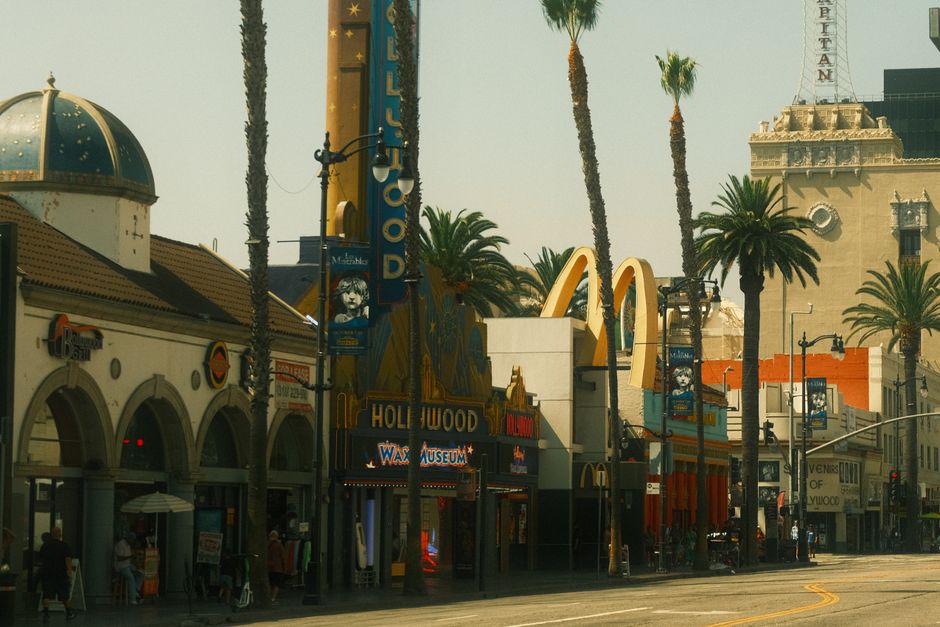
Hollywood tells a different story, or at least a louder one. Business owners along the stretch of Cahuenga Boulevard between Hollywood Boulevard and Fountain Avenue organized a town hall in June with Hollywood Division Captain Teresa Morales. Attendance topped 200. Several attendees described feeling abandoned after a rash of smash-and-grab incidents at retail shops this spring, including three in a single week targeting electronics stores near the Vine Street intersection. The LAPD's new initiative designates the Hollywood Boulevard commercial zone as one of its Tier 1 focus areas, meaning increased foot patrols and faster dispatch response targets — down from an average 8.4 minutes to a stated goal of 6 minutes for Priority 1 calls.
What the Department Says — and What Critics Want
LAPD Chief Jim McDonnell, who has led the department since late 2024, presented the initiative to the Police Commission on July 1. The strategy leans on ShotSpotter expansion in South Los Angeles, license plate reader networks upgraded along the 110 freeway corridor, and a new partnership with the Los Angeles County District Attorney's office on repeat-offender prosecution tracking. Civil liberties groups, including the ACLU of Southern California, have already flagged concerns about the expanded surveillance infrastructure, pointing to a 2024 audit that found ShotSpotter generated false alerts in roughly 14 percent of activations in the preceding 18-month period.
For residents, the bureaucratic details matter less than what happens on their block by September. Community members at Proyecto Dilema plan to present their own counter-proposal to the city council's Public Safety Committee before its next scheduled meeting on July 22. They're asking for $3 million redirected toward the city's CIRCLE program — the Crisis and Incident Response through Community-Led Engagement effort — which currently operates in only six of the city's 21 council districts. The council committee is chaired by Councilmember Tim McOsker, whose 15th District covers San Pedro and Watts, two neighborhoods also flagged in the LAPD's hot-spot analysis. His office did not respond to a request for comment by press time.
The Neighborhood Safety Initiative is set for its first 90-day review in late September, roughly six weeks before the city hosts an international IOC inspection team evaluating Olympic venue readiness. How Los Angeles looks — and feels — by then matters in more ways than one.