How Highland Park's Community Gardens Became a Lifeline — and How LA Got Here
Record grocery prices and years of deferred policy have pushed thousands of Angelenos toward neighborhood grow plots that now feed hundreds every week.
Record grocery prices and years of deferred policy have pushed thousands of Angelenos toward neighborhood grow plots that now feed hundreds every week.
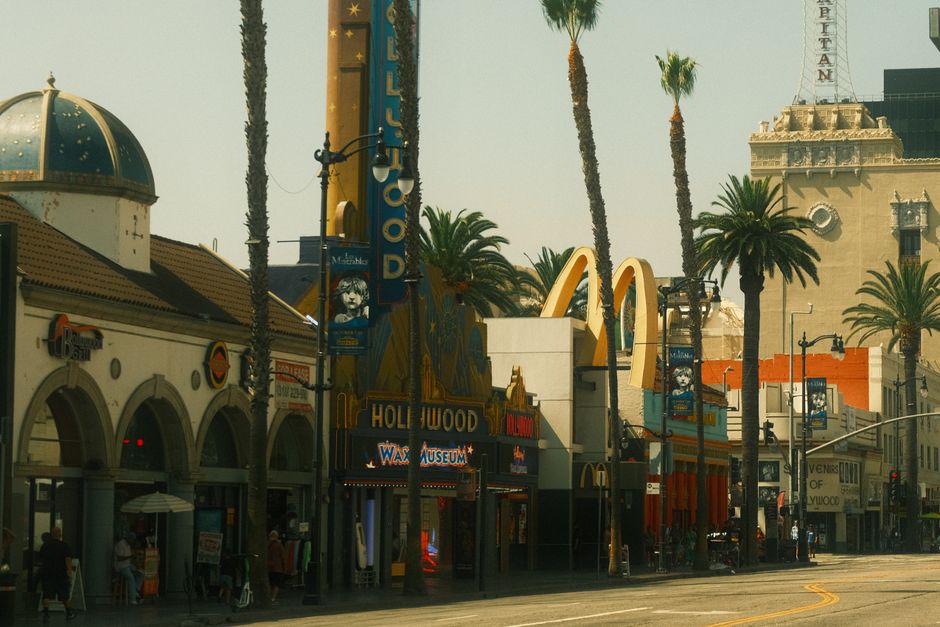
On any given Saturday morning along North Figueroa Street, the line outside the Highland Park Community Garden stretches past the corner of Avenue 57 before 8 a.m. Volunteers hand out bundles of kale, squash and tomatoes — grown on a half-acre plot that sits between a shuttered payday lender and a coin laundry — to roughly 400 households each week. The garden did not emerge from some spontaneous wave of civic virtue. It is the product of a decade of grocery store flight, wage stagnation, and pandemic-era price shocks that have left large parts of Northeast Los Angeles functionally underserved by the conventional food market.
Los Angeles County's average grocery bill climbed to $312 per month for a single adult in May 2026, according to the UCLA Luskin Institute on Inequality, Justice, and Education — a 34 percent increase over the same month in 2021. Eggs that cost $2.89 a dozen at the Vons on York Boulevard in late 2020 now ring up closer to $7.40. Those numbers explain, more than any single policy decision, why community-run food infrastructure has moved from a supplemental safety net to something closer to essential infrastructure in neighborhoods like Highland Park, El Sereno, and Lincoln Heights.
The seeds of the current crisis were planted well before inflation became a dinner table conversation. A Superior Grocers location on San Fernando Road closed in 2019. A Ralphs on North Broadway followed in early 2022, citing theft losses and lease costs — leaving a stretch of more than two miles without a full-service supermarket in a corridor where roughly 28,000 residents live, many without personal vehicles. The Los Angeles County Department of Public Health designated parts of the 90042 and 90031 zip codes as food deserts as far back as 2017, but the designation produced no binding remediation plan.
The Los Angeles Food Policy Council flagged the Broadway corridor gap in its 2023 Good Food Zones report, recommending expedited permitting for grocery operators and incentives through the city's Economic and Workforce Development Department. Those recommendations moved slowly through City Hall. By the time the council was consumed with Mayor Karen Bass's housing emergency declaration in early 2024 and the January 2025 wildfire response, the food access question had slipped further down the agenda.
Into that gap moved organizations like the Northeast Los Angeles Mutual Aid Network, which launched its first formal garden plot in Sycamore Grove Park in 2021 with a $14,000 seed grant from the California Department of Food and Agriculture. By spring 2026, the network was managing seven active sites across Highland Park and El Sereno, covering roughly 3.2 collective acres and producing an estimated 18,000 pounds of produce annually.
The gardens operate alongside, not instead of, formal programs. The Los Angeles Regional Food Bank distributed food at 52 sites across the county last month. The city's Urban Agriculture Incentive Zone program, established under state Assembly Bill 551, offers property tax reductions to landowners who lease vacant lots for farming — but enrollment has been uneven, with fewer than 30 parcels enrolled citywide as of June 2026, a fraction of the eligible land.
The practical math is straightforward. A family of four shopping at the remaining discount grocers in Northeast LA — the Superior on Figueroa near Avenue 26 is the closest full-service option for many Highland Park residents — spends an average of $220 to $260 a week on food, based on USDA Thrifty Plan benchmarks adjusted for Southern California prices. Supplementing with produce from a mutual aid garden can trim that by $30 to $50 a month, enough to matter when rents on the same block average $1,850 for a one-bedroom.
City Councilmember Eunisses Hernandez, who represents the 1st District covering much of this area, has proposed allocating $2.1 million in the fiscal year 2027 budget cycle toward expanded urban agriculture infrastructure in food-insecure zip codes. That proposal is expected to reach the Budget and Finance Committee in September. For the families picking up vegetables on North Figueroa on Saturday mornings, September is a long way off.
How does this story make you feel?
Spread the word
About this article
Published by The Daily Los Angeles
Daily brief
Free, in your inbox before 7am. Weekdays.
More in News


