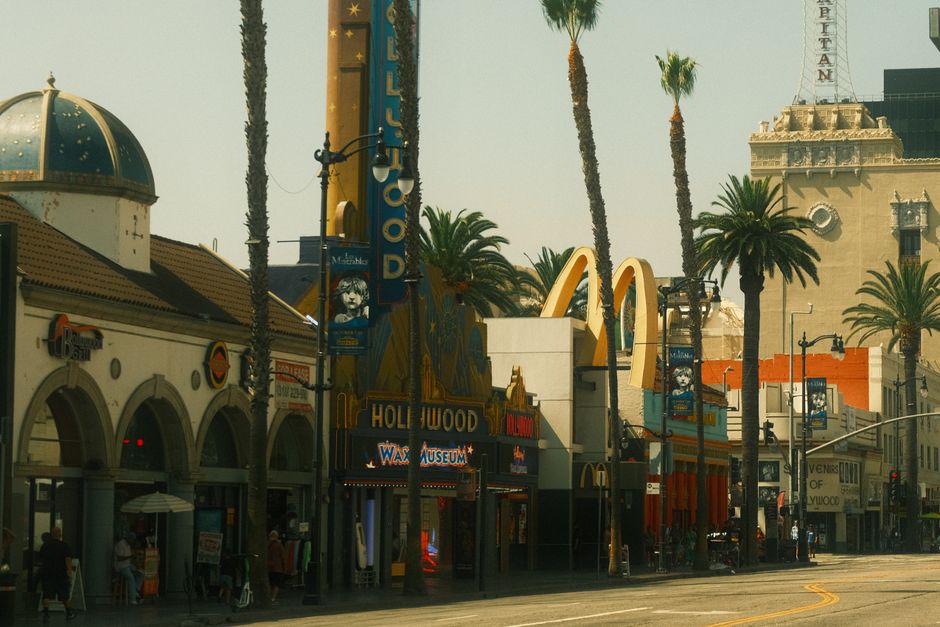
LA Median Home Prices Up 47% — But Other Global Cities Have Already Tried What Comes Next
As Los Angeles struggles to close a gap of nearly 500,000 affordable units, cities from Amsterdam to Tokyo offer both cautionary tales and working models.
As Los Angeles struggles to close a gap of nearly 500,000 affordable units, cities from Amsterdam to Tokyo offer both cautionary tales and working models.
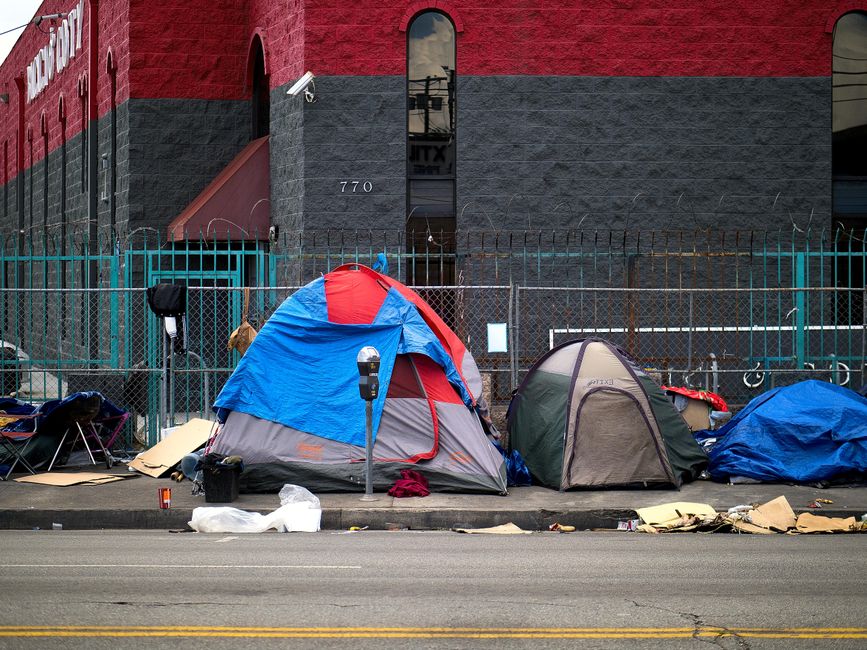
The median sale price of a single-family home in Los Angeles County hit $987,000 in June 2026, a 47 percent jump from the same month in 2022, according to figures compiled by the California Association of Realtors. Renters aren't faring better: a one-bedroom apartment in Mid-City now averages $2,340 a month, nearly double the national median. The city is short an estimated 490,000 affordable units, a deficit that has widened every year since Mayor Karen Bass declared a housing emergency in January 2023.
The timing matters. With the 2028 Olympics infrastructure buildout accelerating — most visibly in the Inglewood and South Los Angeles corridors — land values in neighborhoods that once offered relative affordability are climbing fast. Displacement in Leimert Park has become a flashpoint, with longtime homeowners and renters alike squeezed by speculative buying tied, at least in part, to the Olympic footprint. The Bass administration's Inside Safe program has moved roughly 3,200 people off encampments since its launch, but housing advocates say the pipeline of permanent supportive units simply hasn't kept pace.
Vienna has operated a social housing system, Wiener Wohnen, for more than a century, covering nearly 60 percent of the city's residents in subsidized units. The result: the Austrian capital's median rent-to-income ratio sits around 27 percent, compared to Los Angeles's 42 percent. Singapore took a different route, with its Housing Development Board building and selling government-constructed flats that now house about 78 percent of the population. Neither model transplants cleanly — Los Angeles doesn't control the land supply the way a city-state does, and California's Proposition 13 property tax structure disincentivizes the kind of municipal land banking Vienna relies on.
Tokyo is the comparison urban planners keep returning to. Japan's capital added roughly 145,000 new housing units in 2023 alone, roughly three times the rate of construction in the entire Los Angeles metro area. Tokyo's permissive zoning, which allows residential development in most commercial corridors without lengthy discretionary review, is the core reason. Los Angeles passed its own zoning reform package, the Citywide Housing Incentive Program, in September 2024, but implementation has been slow. As of May 2026, the Department of City Planning had approved 1,140 projects under the new rules — a fraction of what planners projected in the first full year.
London's experience offers a warning. After the Greater London Authority introduced a requirement that 35 percent of new developments include affordable units — later raised to 50 percent in some boroughs — developers simply built fewer projects overall, at least in the short term. Los Angeles faces the same tension. On West Adams Boulevard, three mixed-income projects stalled last year after developers cited construction costs north of $650,000 per unit as prohibitive under current inclusionary zoning mandates.
The city's current strategy leans on state-backed financing tools and emergency zoning waivers rather than the ownership models used in Vienna or Singapore. The Measure ULA transfer tax, passed by voters in November 2022 and projected to generate $150 million annually for affordable housing, has collected about 60 percent of that target in each of its first two fiscal years — partly because high-end residential sales slowed after the tax took effect. That money flows primarily to the Los Angeles Housing Department, which has funneled much of it into acquisition-rehabilitation projects in Boyle Heights and the Crenshaw District.
Community land trusts are gaining quiet traction as a third path. The Eastside organization Comunidad Tierra Firme, working along the César Chávez Avenue corridor in East Los Angeles, has permanently removed 214 units from the speculative market since 2021 by acquiring land and leasing it to homeowners at below-market rates. The model keeps units affordable in perpetuity — unlike deed restrictions, which expire.
For renters trying to stay housed right now, the city's Emergency Renters Assistance Program still has applications open through September 30, 2026, for households earning below 80 percent of the area median income. The Los Angeles County Department of Consumer and Business Affairs runs a free hotline — (800) 593-8222 — staffed by housing counselors. It won't fix the structural deficit, but for the thousands of households on the edge, it's the most immediate option available.
How does this story make you feel?
Spread the word
About this article
Published by The Daily Los Angeles
Daily brief
Free, in your inbox before 7am. Weekdays.
More in News