The Numbers Behind LA's Metro Expansion Headache: Delays, Dollars, and Daily Disruptions
With 2028 Olympic deadlines looming, Metro's construction blitz is hitting commuters with hard data they can't ignore.
With 2028 Olympic deadlines looming, Metro's construction blitz is hitting commuters with hard data they can't ignore.
Metro construction delays have cost Los Angeles County commuters an estimated 2.3 million hours of additional travel time in the first half of 2026 alone, according to internal Metro performance tracking reviewed by The Daily Los Angeles. The figure covers disruptions across six active rail and bus rapid transit projects simultaneously under construction — a pace the agency has not attempted since the early 1990s build-out of the original Blue Line.
The timing is not coincidental. The International Olympic Committee handed Los Angeles a hard deadline of July 2028 for transit infrastructure serving venues from SoFi Stadium in Inglewood to the UCLA campus in Westwood. That compressed schedule is why Metro CEO Stephanie Wiggins approved an accelerated construction calendar in January that stacked multiple project phases on top of each other, rather than sequencing them one at a time. Angelenos are paying the price in their commutes now.
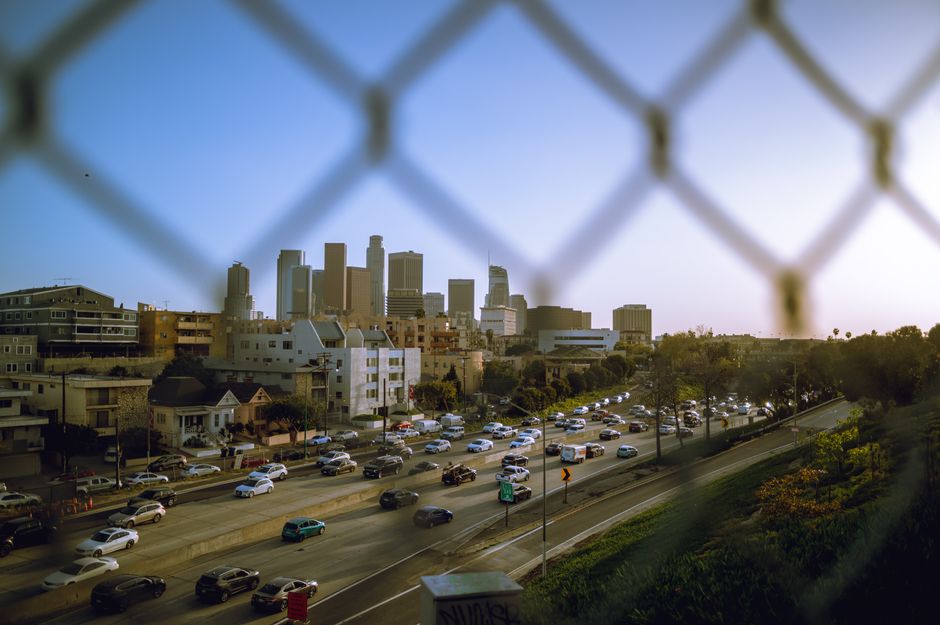
The Vermont Avenue corridor has become the single most disrupted stretch in the county. Crews expanding the Crenshaw/LAX Line's northern extension have closed two travel lanes between Vernon Avenue and Exposition Boulevard since March 14, funneling some 38,000 daily vehicle trips through a two-lane bottleneck. Residents in Leimert Park and Jefferson Park say the backup routinely extends six blocks north by 8 a.m.
On the Eastside, the D Line (Purple) extension through Wilshire Boulevard remains the costliest single project in Metro history at $9.8 billion for all three segments. Segment 3 — running from Wilshire and Rodeo in Beverly Hills out to the VA campus in Westwood — is currently 14 months behind its original 2025 opening target. That slippage cascades into the Olympic planning calendar because the Westwood station is the intended primary transit node for UCLA, which is hosting aquatics and gymnastics events. Metro confirmed in a June 30 board presentation that the revised opening is now scheduled for September 2027, leaving a cushion of less than 10 months before the Games open.
The East San Fernando Valley Transit Corridor, running 9.2 miles along Van Nuys Boulevard from the Orange Line at Van Nuys Station down to the Sylmar/San Fernando Metrolink station, is adding its own layer of disruption. Bus ridership on the 233 line — the primary surface alternative while construction reshapes the boulevard — dropped 11 percent between January and May compared to the same period in 2025, a counterintuitive figure that Metro planners attribute to commuters abandoning the route entirely and switching to cars or rideshare.
Rideshare prices along affected corridors tell a blunt story. Surge pricing data aggregated by the commuter advocacy group Streets For All shows median Lyft and Uber fares between Downtown Los Angeles and Culver City jumped 22 percent in the second quarter of 2026, compared to Q2 2024, driven partly by lane closures along Jefferson Boulevard and the I-10 on-ramp at La Cienega Boulevard.
Small businesses are quantifying the damage too. The Leimert Park Village Business Association surveyed 47 member merchants in May and found that 31 of them reported revenue declines they attributed at least partially to construction-related parking and access problems. The median reported drop was 18 percent year-over-year.
Metro is spending roughly $14 million per month on community mitigation programs across all active construction zones — a figure that includes business support grants capped at $10,000 per applicant, free Metro TAP card distributions at libraries in affected ZIP codes, and real-time digital signage at 340 intersections managed through the City's ATSAC traffic control center on Figueroa Street Downtown.
Commuters who need to move around affected zones this summer should download the Metro Micro app, which covers on-demand shuttle zones in Watts, El Monte, and LAX/Inglewood. The agency is also running a temporary express bus overlay on the Wilshire corridor — Line 720 — at 12-minute headways during peak hours, down from its standard 15-minute schedule, through at least October 31. Check Metro.net/construction for block-by-block closure maps updated each Monday morning.
How does this story make you feel?
Spread the word
About this article
Published by The Daily Los Angeles
Daily brief
Free, in your inbox before 7am. Weekdays.
More in News