Los Angeles County Metropolitan Transportation Authority recorded an average weekday ridership of roughly 828,000 boardings in fiscal year 2025 — a figure that sounds substantial until you consider the system served 1.2 million daily riders before the pandemic and has never fully recovered. The gap represents hundreds of thousands of people who tried Metro, gave up, and got back in their cars. For a region already strangling on traffic and now facing a hard deadline of the July 2028 Olympic opening ceremony, that gap is no longer a policy abstraction. It is a crisis with a countdown clock.
The timing matters because Los Angeles is simultaneously managing three converging pressures: Mayor Karen Bass's ongoing housing emergency, which has reshaped how and where homeless Angelenos move through public space; federal immigration enforcement operations that have depressed ridership in heavily Latino corridors like the Vermont Avenue and Florence-Firestone lines; and a $13.7 billion Olympic infrastructure commitment that assumes tourists and athletes will actually be able to get around without a rental car. If the transit system cannot convince its own residents to ride it, the city's pitch to the world looks shaky at best.
The Daily Grind on the Ground
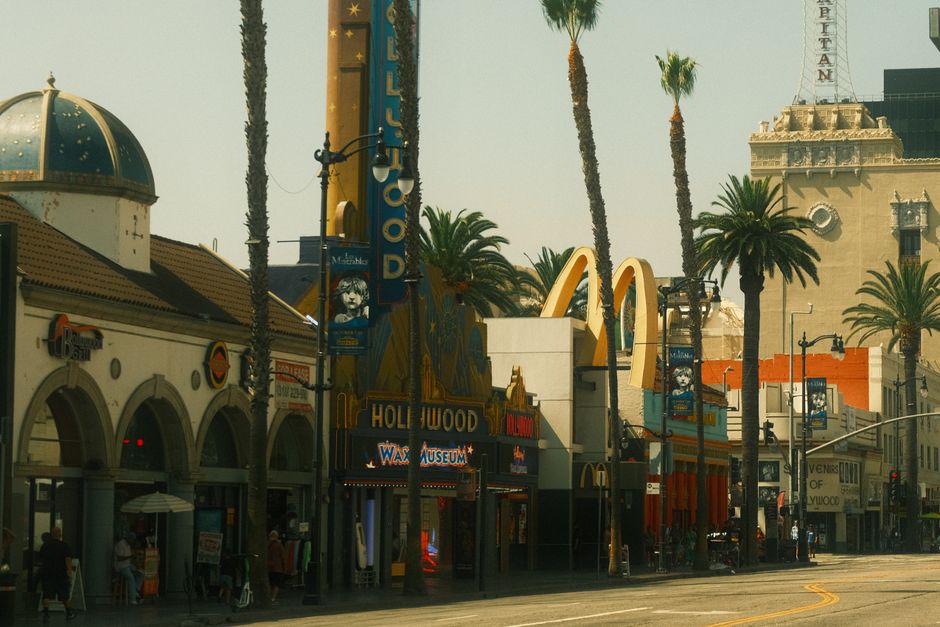
Ride the B Line from North Hollywood Station to Wilshire/Vermont on a Thursday morning and the picture comes into focus fast. Platforms are understaffed, service gaps of 12 to 15 minutes are routine during what Metro's own schedule calls peak hours, and the escalators at Hollywood/Highland Station — a stop that will serve as a primary Olympic visitor hub — have been cycling in and out of service for the better part of eighteen months. Metro's own internal audit released in March 2026 flagged 23 stations with chronic elevator or escalator failures, a number advocates at the Los Angeles County Transit Watchers coalition have called conservative.
In Boyle Heights, community organizers with Eastside Riders Bike Club have spent the better part of a decade documenting how poor bus frequency on the Silver Line forces low-income workers to add 45 minutes to commutes that should take 20. The 720 Rapid on Wilshire Boulevard, once a model for bus rapid transit, now runs so irregularly that riders at the Westwood/UCLA stop routinely report waiting past the posted schedule by six to ten minutes. Metro acknowledged in its 2025 Service Equity Report that 74 percent of its highest-need communities — those scoring in the top quartile on its Equity Focus Community index — experienced service reductions between 2020 and 2024.
Money, Politics and a Hard Deadline
The funding picture is complicated. Measure M, the half-cent sales tax voters approved in November 2016, generates roughly $860 million annually and was supposed to fix all of this. Construction on the D Line extension toward Century City is running more than two years behind the original schedule, and the LAX/Metro Transit Connector — the automated people mover linking the airport to a new station at Aviation/Century Boulevard — is now projected to open in late 2027, leaving a narrow window before Olympic crowds arrive. Cost estimates for the connector project have climbed to approximately $2.2 billion, up from an original $1.8 billion projection.
For individual riders, the math is punishing in a different way. A monthly Metro pass costs $100, but the inconsistency of service means many lower-wage workers in neighborhoods like Panorama City and Watts pay that cost while still relying on rideshare apps for time-sensitive trips, spending an additional $150 to $200 a month filling gaps the system was supposed to eliminate.
Metro's board is scheduled to vote in September 2026 on a revised service recovery plan that would restore frequency on 18 key lines and add late-night service on the A and B Lines through 2028. Whether the agency can staff those routes is a separate problem — Metro's operator vacancy rate stood at 11 percent as of May 2026. Residents who want to weigh in have a public comment window open through July 25 at metro.net/servicereview. The meeting that will most directly shape what Olympic visitors — and working Angelenos — experience on a daily basis for the next two years is closer than most people realize.