Los Angeles planning officials confirmed this week that more than 40 neighborhood councils have formally submitted opposition letters to the city's updated Housing Element implementation rules, a package of rezoning measures designed to add roughly 255,000 units of housing across the city by 2029. The resistance is loud, organized and, depending on whom you ask, either democracy working as intended or the same homeowner veto politics that kept L.A. artificially scarce for decades.
The stakes are real. The California Department of Housing and Community Development has already placed the city on a notice of non-compliance once before, in 2023, over slow implementation of its state-mandated housing goals. Failing again could cost Los Angeles access to billions in state infrastructure funding — money the city badly needs as it scrambles to build Olympic venues and transit lines before the 2028 Games arrive.
The Local Fight, Block by Block
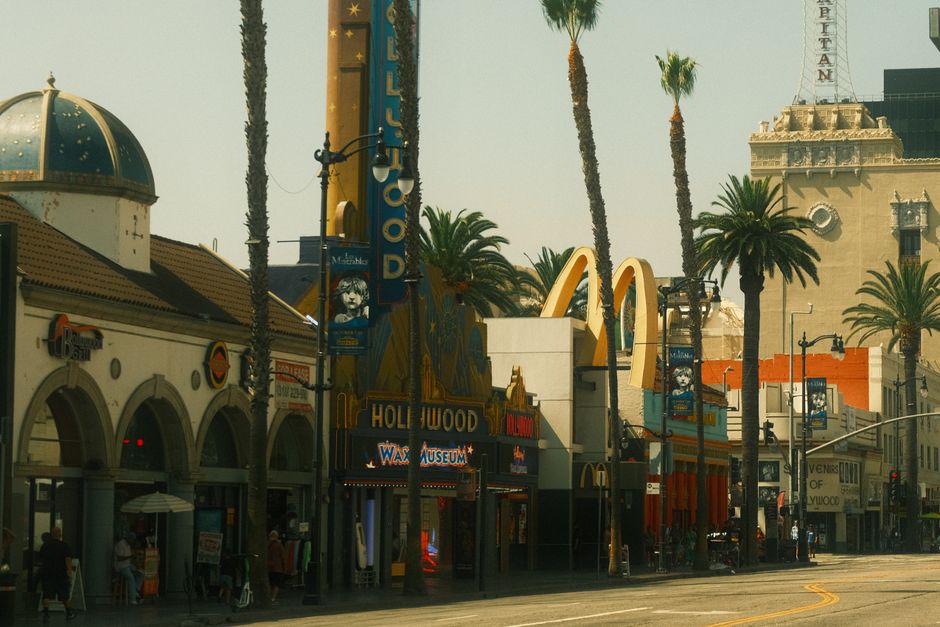
The Hillhurst Avenue corridor in Los Feliz has become one of the flashpoint zones. The Hollywood Hills West Neighborhood Council voted 11-4 in June against allowing six-story mixed-use buildings within a quarter-mile of Vermont/Sunset Metro station. Meanwhile, the Crenshaw Subway Coalition — a transit and housing advocacy group that has pushed for affordable development along the K Line since 2012 — has taken the opposite position, arguing that blocking density near rail stations specifically harms lower-income Black and Latino communities who depend on transit.
The city's own planning department projects that roughly 70 percent of the new zoning capacity under the updated Housing Element falls within half a mile of a bus or rail stop. The median asking rent for a one-bedroom in Los Angeles hit $2,340 per month in May 2026, according to Apartment List data, up 6.2 percent from the same month in 2024. Vacancy rates in neighborhoods like Echo Park and Koreatown sit below 3 percent.
How L.A. Stacks Up Against Other Cities
The comparison to other global cities is instructive. Tokyo, which added roughly 1.2 million housing units between 2013 and 2023, operates under a national zoning code that largely strips local governments of the authority to block apartment construction near transit. The result: rents in Tokyo have remained relatively stable even as the city's population held steady, while Los Angeles — smaller in population, far larger in land area — has seen rents nearly double over the same period.
London's experience cuts differently. The Greater London Authority under the mayoralty of Sadiq Khan introduced a similar push to rezone borough high streets for six- to ten-story residential towers. Community opposition in boroughs like Ealing and Lewisham slowed approvals significantly, and London ended the 2010s with a housing delivery shortfall of roughly 50,000 units against its own targets. The city is still clawing back that deficit. Toronto, facing a Supreme Court of Canada ruling in 2024 that limited municipal powers to downzone land near transit corridors, was effectively forced into densification in a way L.A. has not been — and its construction crane count topped 200 in 2025, the highest of any North American city.
What Los Angeles has not done, critics note, is what Tokyo did structurally: remove the local veto. California's SB 9 and SB 10, both now several years on the books, allow but do not compel cities to approve duplexes and small apartment buildings. The Bass administration's density push relies heavily on carrots — streamlined permitting through the city's FastTrack LA program, density bonuses for projects with affordable units — rather than sticks.
The next formal milestone is a Los Angeles City Planning Commission hearing scheduled for September 11, 2026, where the implementation rules will go for a public vote. If the commission approves, the package moves to City Council, where at least seven members represent districts with active neighborhood council opposition. Housing advocates say the window to act before the state imposes sanctions is closing faster than most council members acknowledge. Community groups opposing the changes say they plan to fill the chamber at the September hearing and, if necessary, pursue legal challenges under CEQA, California's environmental review law — the same tool that delayed the Crossroads Hollywood project on Sunset Boulevard for nearly five years.