Los Angeles recorded 847 violent crimes in May 2026 alone, a 14 percent jump from the same month last year and the sharpest single-month spike the LAPD has logged since the post-pandemic surge of 2021. The department's newly launched Strategic Violence Reduction Initiative — announced June 30 and already deployed in six high-incident divisions — is the city's most data-intensive enforcement push in years, built around real-time CompStat mapping and coordinated patrols targeting zip codes where the numbers have turned worst.
The timing matters. Los Angeles is 26 months out from the 2028 Summer Olympics, and city officials are acutely aware that international scrutiny of public safety will only intensify. Downtown infrastructure projects along Figueroa Street and the ongoing Olympic village construction near the USC corridor have drawn contractors and tourists into neighborhoods that the LAPD's own crime dashboard flags as elevated-risk zones. A city that cannot demonstrate measurable progress on violence before the torch arrives faces both a reputational and logistical problem.
Where the Numbers Are Worst
The 77th Street Division, which covers South Los Angeles neighborhoods including Florence and Watts, accounted for 19 percent of all violent crime reports citywide through the first five months of 2026 — despite representing roughly 4 percent of the city's geographic footprint. The Newton Division, centered on the area east of the Harbor Freeway between downtown and Huntington Park, posted a 21 percent year-over-year increase in aggravated assault. Both divisions are now priority targets under the new initiative, which assigns additional patrol units, plainclothes officers from the LAPD's Metropolitan Division, and real-time analysts embedded with field supervisors.
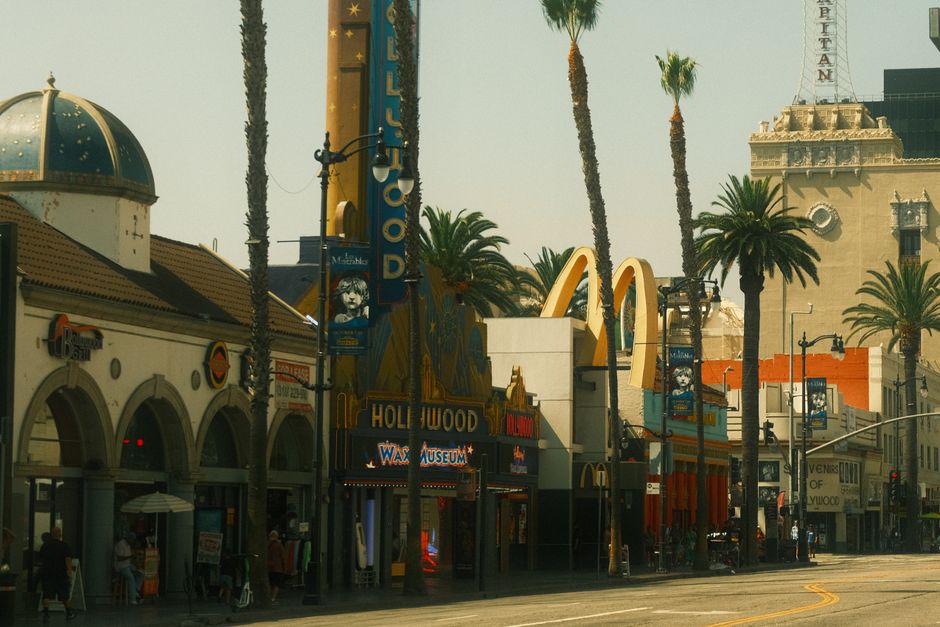
Robbery numbers across the Hollywood Division — covering the stretch of Sunset Boulevard between Vine Street and Laurel Canyon — are up 17 percent compared to the January-through-May period in 2025. LAPD officials have pointed specifically to a pattern of follow-home robberies originating from restaurant and bar clusters on Highland Avenue and in the Franklin Village corridor. The department's Public Safety Technology Office began rolling out license-plate-reader integration along those corridors in April, a $3.8 million contract with Motorola Solutions that city council approved in late 2025.
What the Initiative Actually Requires
The Strategic Violence Reduction Initiative draws from a methodology the LAPD first piloted in the Rampart Division in 2023, pairing enforcement with gang intervention workers from Homeboy Industries, the Boyle Heights-based nonprofit that has operated reentry and violence interruption programs since 1988. That pilot produced a 9 percent drop in gang-related shootings in Rampart over 18 months — a data point LAPD brass have cited repeatedly to justify the broader rollout.
Staffing remains a genuine constraint. The department currently operates with approximately 9,100 sworn officers, down from a budgeted strength of 9,700 and well below the roughly 10,000 officers the city employed before a combination of retirements and budget cuts in 2020 thinned the ranks. Mayor Karen Bass's proposed fiscal year 2027 budget, released in April, includes funding for 200 new police academy recruits, though the first graduating class would not complete training until mid-2027 at the earliest.
The city's Community Safety Partnership program — which embeds officers long-term in public housing developments including Nickerson Gardens in Watts and Jordan Downs in Watts — is being folded into the initiative's data-sharing framework, allowing analysts to cross-reference patrol logs with the LAPD's gun violence early-warning system, a tool that flags individuals statistically at high risk of either committing or becoming victims of shootings.
Residents in affected neighborhoods should expect a visible increase in patrol presence through at least Labor Day weekend. The LAPD plans to release updated division-level crime statistics on the first Monday of each month, starting August 3, giving the public a regular benchmark to track whether the initiative is bending the numbers downward before the city's Olympic countdown reaches its final year.