West Hollywood Rents at $3,200 a Month — and the Decisions That Will Define What Comes Next
City and county officials face a cascade of deadlines and policy choices that will determine whether LA's rental crisis deepens or breaks.
City and county officials face a cascade of deadlines and policy choices that will determine whether LA's rental crisis deepens or breaks.
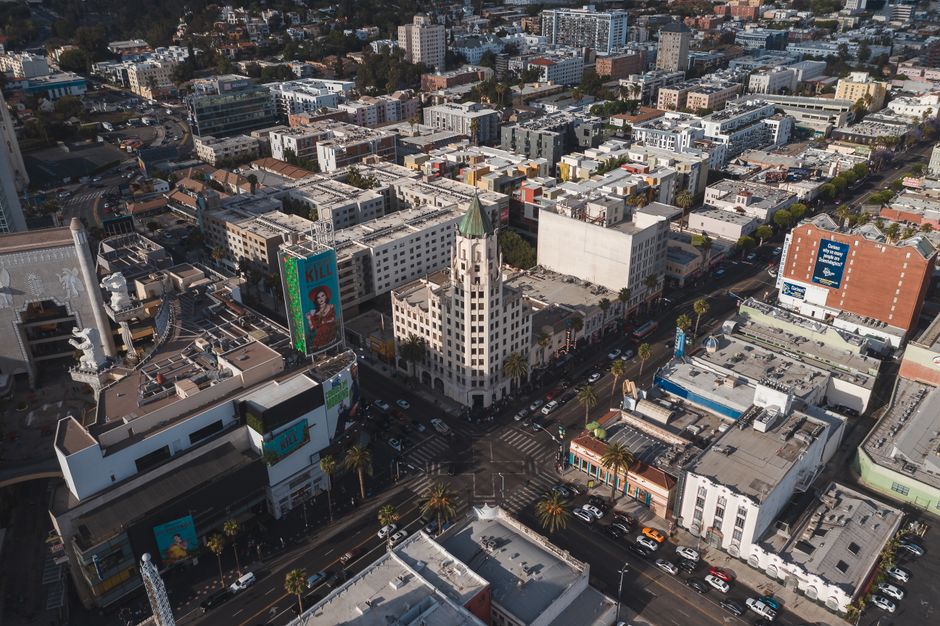
The average asking rent for a one-bedroom apartment in West Hollywood hit $3,200 a month in June, according to data compiled by the Southern California Rental Housing Association — a figure that has rattled housing advocates and sent city council members scrambling for answers before the summer recess. The number is not a ceiling. It is, by most accounts, still climbing.
The timing is brutal. Mayor Karen Bass's housing emergency declaration, first issued in January 2023 and renewed twice since, was supposed to fast-track permitting and unlock idle city-owned parcels for affordable construction. Three and a half years on, the declaration has produced real results in some corridors — roughly 1,100 units approved under streamlined review on or near Vermont Avenue — but those gains have been swallowed by market-rate pressure pushing tenants out of WeHo, Silver Lake, and the Eastside into farther-flung neighborhoods that are now themselves tightening.
The Los Angeles City Council's Housing and Homelessness Committee is scheduled to vote in late July on two measures that housing attorneys say will shape the next two years of the rental market. The first is a proposed expansion of the city's Rent Stabilization Ordinance to cover units built before 1995 — current law stops at 1978 construction. The second is a linkage fee increase that would charge market-rate developers an additional $22 per square foot on projects over 50 units, funneling the revenue into the city's Affordable Housing Trust Fund, which disbursed $135 million last fiscal year but has a waitlist of qualifying projects stretching past 2028.
West Hollywood, which operates its own rent stabilization program independent of the city of Los Angeles, already caps annual increases for covered units at 75 percent of the Consumer Price Index. But roughly 40 percent of West Hollywood's rental stock — primarily units in buildings constructed after 1979 — sits outside that protection entirely. On Santa Monica Boulevard between Fairfax Avenue and La Cienega Boulevard, several newer mid-rise complexes advertise two-bedrooms at $4,100 to $4,600 a month, numbers that were considered outliers eighteen months ago and are now treated as standard.
The county's broader picture makes the street-level data harder to absorb. The Los Angeles County Department of Regional Planning reported in May that the region lost a net 8,400 naturally occurring affordable units in 2025 — apartments renting below $1,500 that were either renovated into higher-priced stock or taken off the rental market entirely. The nonprofit Coalition for Economic Survival, which has organized tenants in the Rampart Village and Koreatown neighborhoods for decades, says its call volume from renters facing eviction or unaffordable renewal offers is up 34 percent year over year.
Several pressure points converge before the end of 2026. The state's deadline for cities to meet Regional Housing Needs Allocation targets falls in October, and Los Angeles remains short by an estimated 22,000 units in the very-low-income category. Failure to comply opens the city to a builder's remedy process that strips local zoning control — a prospect that has energized some developers and alarmed neighborhood councils from Brentwood to Eagle Rock.
Meanwhile, the Los Angeles County Board of Supervisors is weighing a proposal from Supervisor Lindsey Horvath's office to create a county-level anti-displacement fund seeded with $50 million from the Measure A homelessness revenue stream, which began generating income in April. The fund would provide emergency rental assistance and acquisition loans for community land trusts, including the East LA Community Corporation, which already holds deed-restricted affordable properties in Boyle Heights and Montebello.
For tenants locked out of protected units right now, the practical options are thin. The city's Emergency Rental Assistance Program closed its general waitlist in March and is not expected to reopen before the end of the fiscal year. Legal aid organizations including Bet Tzedek and Neighborhood Legal Services of Los Angeles County are offering free tenant consultations through August — their offices on Cahuenga Boulevard and Van Nuys Boulevard, respectively, are both reporting full appointment books within hours of opening each week.
The council votes in late July. The RHNA deadline hits in October. The affordable housing trust fund is already oversubscribed. Every one of those moments is a point where the trajectory either bends or doesn't — and right now, nobody in City Hall is willing to promise which way it goes.
How does this story make you feel?
Spread the word
About this article
Published by The Daily Los Angeles
Daily brief
Free, in your inbox before 7am. Weekdays.
More in News