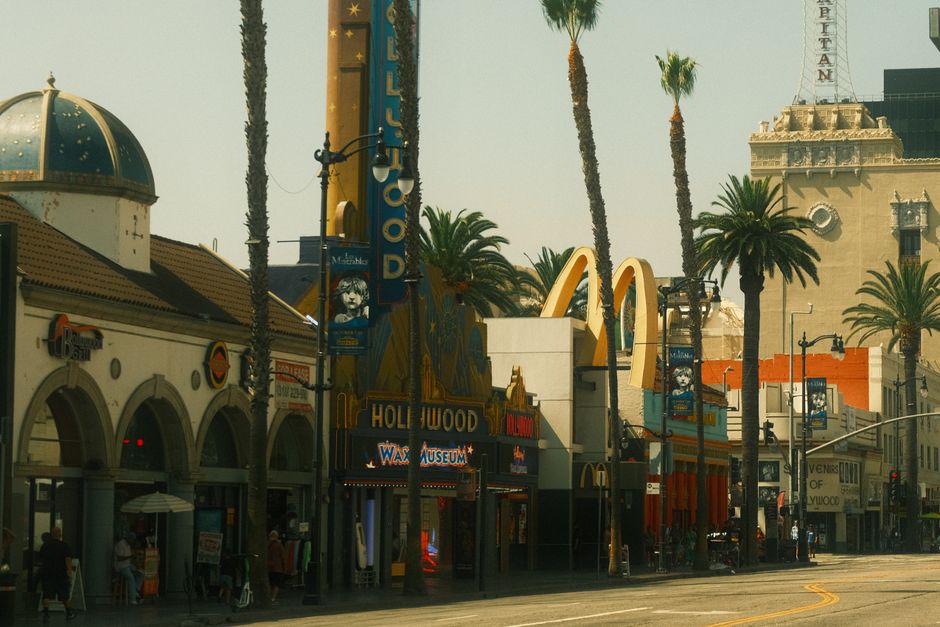
Los Angeles officially adopted one of the most aggressive municipal emissions reduction plans in the country last month, committing to cut greenhouse gas output 72 percent below 1990 levels by 2035 — a target that city planners acknowledge will require overhauling how roughly 3.9 million residents heat their homes, drive their cars and pay their utility bills. The plan, an extension of the LA Green New Deal framework, puts the city on a collision course with its own geography: a metro area built around the freeway, the single-family lot and the strip mall.
The timing is deliberate and politically loaded. With the 2028 Summer Olympics less than two years away, city leaders are under pressure from the International Olympic Committee and major corporate sponsors to demonstrate environmental credibility. Paris made low-carbon transit a centerpiece of its 2024 games. Los Angeles is trying to do the same, but it starts from a harder baseline — the South Coast Air Quality Management District reported this year that the greater LA basin still logs more smog-alert days than any other major metro in the United States.
What the Plan Actually Does to Your Block
The practical machinery of the new targets is already arriving at the neighborhood level. The Los Angeles Department of Water and Power launched its Residential Electrification Rebate Program in February, offering homeowners up to $4,500 toward replacing gas furnaces and water heaters with electric heat-pump systems. Uptake has been uneven: wealthier ZIP codes in Silver Lake and Los Feliz have processed the bulk of early applications, while low-income households in Watts and Boyle Heights — neighborhoods that bear the worst pollution burden from the 710 Freeway corridor — have submitted fewer than 8 percent of total claims, according to LADWP figures reviewed by The Daily Los Angeles.
That disparity is exactly what environmental justice advocates have been flagging for months. Communities & Clinicas, a Eastside health coalition operating out of offices on César Chávez Avenue, has documented elevated asthma hospitalization rates in the communities closest to the ports of Los Angeles and Long Beach, where diesel truck traffic remains heavy despite a zero-emission truck mandate that took partial effect in January 2025. The mandate covers new truck purchases, but tens of thousands of older diesel rigs still run daily routes between the port complex and inland warehouses in the San Gabriel Valley.
Metro's transit expansion is the other load-bearing pillar of the city's climate math. The agency is spending roughly $1.4 billion to extend the D Line subway from Wilshire and Western all the way to Santa Monica by 2027, a project city planners say could remove an estimated 10,000 car trips per day from the Wilshire corridor alone. The Crenshaw/LAX Line extension to the airport is scheduled to open before the Olympics. Whether either project meaningfully bends the emissions curve depends on whether Angelenos actually switch from cars — a behavioral shift that has resisted every previous transit investment in the city's history.
The Cost Question Nobody Is Fully Answering
For renters, the picture is murky. The city's building electrification ordinance, which phases in requirements for landlords to replace gas appliances in multi-family buildings, begins hitting properties over 16 units in 2027. Tenant advocates at the Housing Rights Center on South Vermont Avenue warn that landlords may attempt to pass retrofit costs through rent increases, particularly in rent-stabilized buildings where owners are already pressing the city for higher allowable annual hikes under the Rent Stabilization Ordinance.
The average cost to fully electrify a mid-sized apartment building in Los Angeles runs between $18,000 and $35,000 per unit, according to estimates from the UCLA Luskin Center for Innovation published in March 2026. State rebates under the California Climate Credit program can offset a portion of that, but the gap remains substantial enough that smaller building owners are already lobbying the City Council for compliance deadline extensions.
Residents who want to get ahead of the changes should contact LADWP's Energy Efficiency team at 1-800-DIAL-DWP to check eligibility for rebate programs before the next application window closes September 30. Renters in buildings receiving notices about appliance upgrades can call the Housing Rights Center for free counsel on whether landlord cost-pass-through is legal in their specific lease situation. The changes are coming regardless — the only variable is who absorbs the expense.