LA's 2050 Carbon Neutrality Plan: How the City Stacks Up Against London, Singapore and Seoul
Los Angeles released its most detailed climate roadmap yet this week, but peer cities are years ahead on key benchmarks.
Los Angeles released its most detailed climate roadmap yet this week, but peer cities are years ahead on key benchmarks.
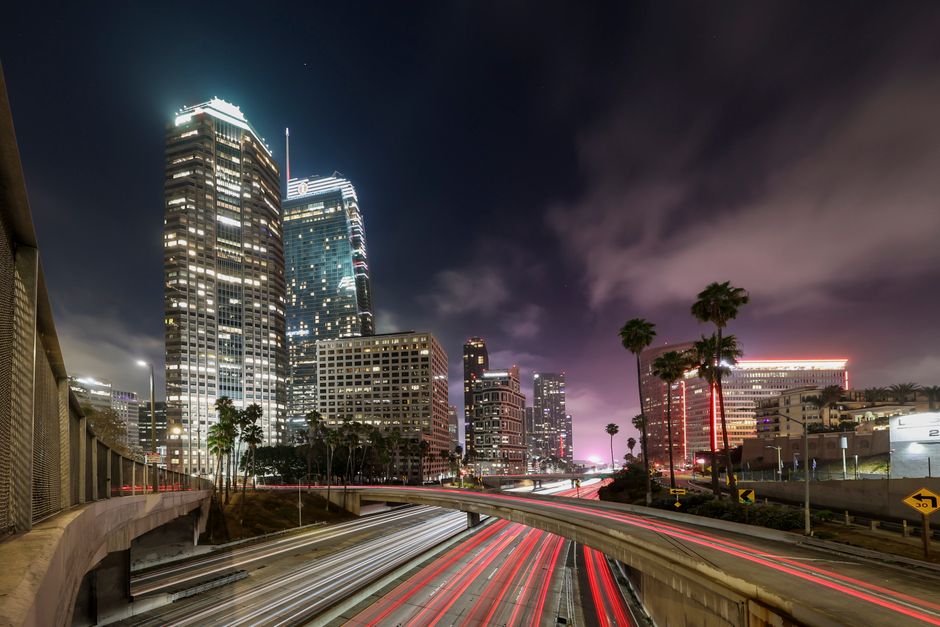
Los Angeles officials on Thursday unveiled a 47-point implementation plan for reaching carbon neutrality by 2050, attaching dollar figures and deadlines to a goal that has existed on paper since the city adopted its Green New Deal framework in 2019. The package, released by the Mayor's Office of Sustainability and the LA Department of Water and Power, commits $2.3 billion in capital spending through 2030 and sets a hard interim target of 60 percent clean electricity by 2035.
The timing is deliberate. With the 2028 Olympic Games now less than two years out, city hall is under international scrutiny over infrastructure emissions, and the International Olympic Committee has made sustainability reporting a condition of ongoing host-city certification. A brutal European heatwave this summer — France alone recorded more than 2,000 excess deaths at its peak — has given local officials fresh political ammunition to push the agenda past council skeptics who have historically prioritized short-term budget concerns.
The implementation document breaks the goal into four sectors: electricity generation, transportation, buildings, and industrial port operations. The transportation section is the most contentious. The city is targeting 80 percent of Metro bus lines converted to battery-electric by 2028, but the Metropolitan Transportation Authority currently operates roughly 2,200 buses and has electrified fewer than 400 of them. Closing that gap means procuring approximately 1,800 vehicles at an estimated unit cost of $1.1 million each — a line item that has not yet cleared the MTA board.
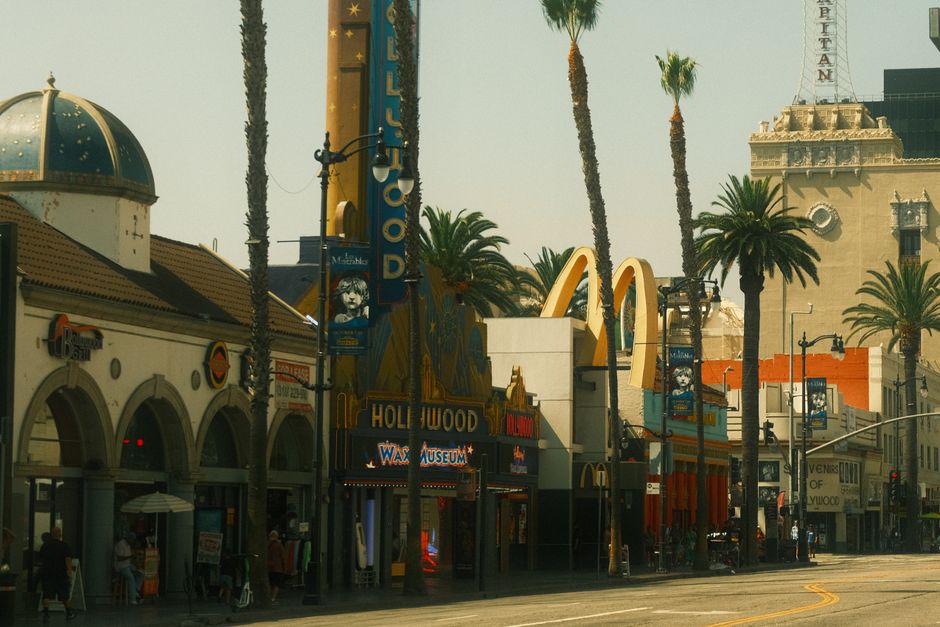
On buildings, the plan mandates that all new commercial construction in neighborhoods like Downtown, Hollywood, and Koreatown meet Passive House energy standards starting January 1, 2027. Existing buildings over 50,000 square feet face retrofit compliance deadlines beginning in 2029. The Los Angeles Department of Building and Safety estimates roughly 3,400 structures citywide fall into that category. The Harbor area, specifically the terminals at the Port of Los Angeles in San Pedro, faces a separate electrification schedule for shore power and cargo-handling equipment, with full compliance required by 2040.
Compared with peer cities, Los Angeles presents a mixed picture. London's Greater London Authority reached 68 percent renewable electricity supply in 2024 and has operated a congestion charge zone since 2003, generating dedicated climate funding for two decades. Seoul completed mandatory green retrofits on all city-owned buildings over 3,000 square meters in 2023. Singapore, operating under its Green Plan 2030, has already installed solar panels on roughly 70 percent of public housing rooftops through its HDB program, a feat LA has not attempted at comparable scale in its public housing stock managed by the Housing Authority of the City of Los Angeles.
Where Los Angeles does hold an edge is in grid-scale solar procurement. LADWP's existing contracts for utility-scale solar — including the 400-megawatt Eland Solar and Storage Center in Kern County — put the city ahead of both Paris and Toronto on per-capita renewable capacity additions since 2020. The department argues that its geography, not institutional will, explains much of the gap with Northern European cities on transit electrification.
The climate plan also arrives against a fraught local backdrop. Mayor Karen Bass has spent much of her term managing the homelessness emergency and January 2025 wildfire recovery, and critics on the council have argued that carbon neutrality planning competes for staff bandwidth and general fund dollars with those more immediate crises. The city's wildfire preparedness budget, updated after the Palisades Fire, now runs to $340 million annually — money that administration officials insist is complementary to, not competing with, the climate plan.
The next formal checkpoint comes September 15, when the city council's Energy and Environment Committee holds a public hearing at City Hall on Ordinance 188214, the legislation that would codify the interim 2035 targets into municipal code. Residents in affected zip codes along the Alameda Corridor and in South LA neighborhoods closest to industrial emitters can submit written comment through the city clerk's online portal starting July 14. Environmental advocates from organizations including Earthjustice's Los Angeles office and the Coalition for Clean Air have already signaled they will push for accelerated building retrofit timelines at that hearing.
How does this story make you feel?
Spread the word
About this article
Published by The Daily Los Angeles
Daily brief
Free, in your inbox before 7am. Weekdays.
More in News