The LAPD reported 1,147 violent crime incidents across the city in May 2026 alone — a 6.8 percent increase over the same month in 2025 — and department brass have responded by rolling out a data-driven deployment model called Strategic Response Initiative 2026, or SRI-26, which concentrates patrol resources in 14 designated high-impact zones across Los Angeles. The program went live June 1.
The timing matters. Globally, urban police departments from Paris to Chicago are grappling with post-pandemic crime rebounds compounded by economic pressure. A bombing in Monaco, fuel shortages straining order in wartime Russia, and cascading instability across parts of Europe have pushed security concerns to the front of public consciousness. In Los Angeles, city officials are acutely aware that the 2028 Summer Olympics — now exactly two years out — will place the city under an international security microscope unlike anything it has faced since 1984. Getting crime numbers moving in the right direction is no longer just a quality-of-life issue; it is an infrastructure requirement.
Where the Numbers Are Worst — and Where SRI-26 Is Focused
The LAPD's own CompStat data for the first five months of 2026 identifies South Central, Boyle Heights, and the stretch of Skid Row between 5th Street and San Pedro Street as the three highest-volume violent crime corridors in the city. Robbery figures in Boyle Heights rose 11 percent year-over-year through May. The 77th Street Division, which covers much of South Central, logged 214 aggravated assaults in the January-to-May window — the highest total of any single division in the department's 21 geographic areas.
SRI-26 channels approximately $34 million in redirected budget allocations — money shifted from the LAPD's equipment procurement line — into overtime pay, community outreach liaisons, and real-time crime analytics supplied by a contract with Palantir Technologies worth $6.2 million annually. The department says the Palantir platform, already used by the LAPD since a 2022 contract renewal, allows watch commanders to adjust patrol density in near real time based on 72-hour rolling crime forecasts. Critics at the Los Angeles Community Action Network, which operates out of a office on South Los Angeles Street, argue the system effectively encodes existing enforcement biases into algorithmic form.
Property crime tells a slightly different story. Auto theft citywide dropped 4.3 percent in the first quarter of 2026 compared to Q1 2025, a decline the department attributes partly to a joint task force with the California Highway Patrol that ran from January through March and resulted in 318 arrests. Catalytic converter theft — which spiked catastrophically in 2022 and 2023 — is down 61 percent from its peak, following a state law passed in January 2025 requiring recyclers to verify seller identification.
What Residents and Businesses Can Expect This Summer
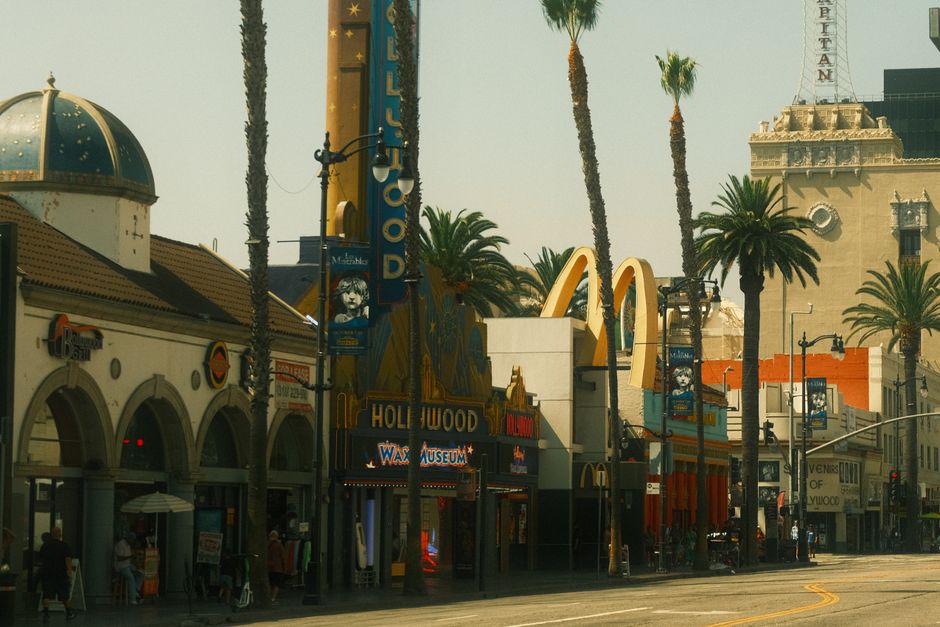
The LAPD's Pacific Division, covering Venice and Mar Vista, is one of the 14 SRI-26 zones. Foot patrols on the Venice Boardwalk are scheduled to increase by roughly 30 additional officer-hours per week through September. The Hollywood Division, another designated zone, will see a dedicated six-officer unit assigned exclusively to the Hollywood and Highland area seven days a week — a response to a 22 percent spike in robbery reports along Hollywood Boulevard in the first half of 2026.
For Angelenos navigating all of this, the department's suggestion is concrete and unglamorous: use the MyLA311 app, which added a crime-tip function in March 2026, to report suspicious activity without calling 911. The app logged more than 14,000 submissions in its first three months. Whether that volume translates to solved cases is a number the department has not yet released. The next CompStat briefing, open to the public at LAPD headquarters on West 1st Street in downtown Los Angeles, is scheduled for July 15 — and the figures it contains will offer the first real test of whether SRI-26 is moving the needle or just moving resources around.