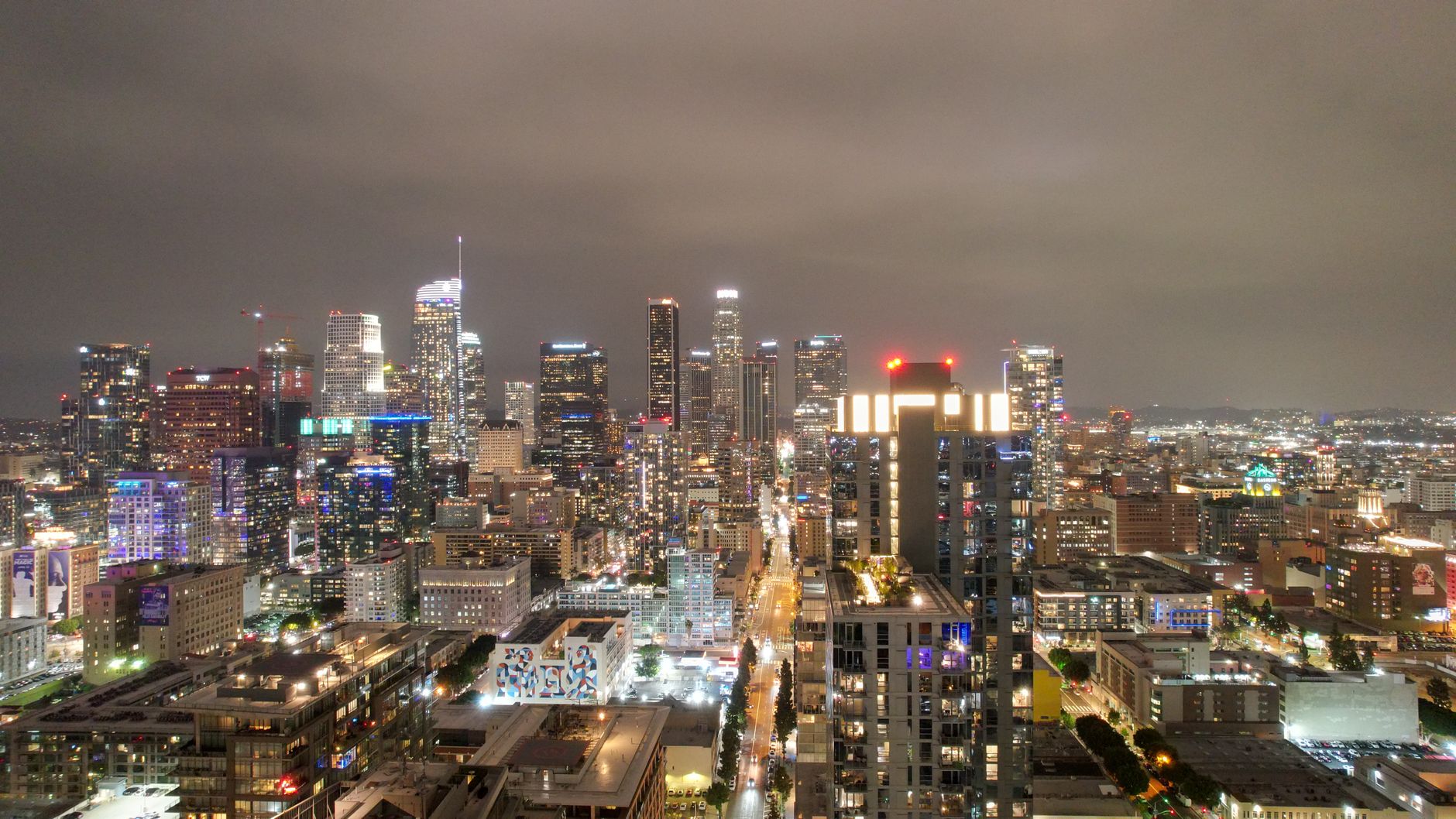
LA Leaders Reveal Concrete Steps Toward 2050 Carbon Neutrality Goal
As Los Angeles aims to reach carbon neutrality by 2050, officials and environmental experts outline concrete steps for the nation's second-largest city.
As Los Angeles aims to reach carbon neutrality by 2050, officials and environmental experts outline concrete steps for the nation's second-largest city.
Listen to this article · 3:30
Los Angeles is at a pivotal moment in its environmental transformation, with city officials and sustainability experts increasingly vocal about how the sprawling metropolis can meet ambitious climate targets while managing the practical challenges of retrofitting one of America's most car-dependent regions.
The conversation intensified this week as the Los Angeles Department of Water and Power announced new efficiency standards for commercial buildings across downtown and the San Fernando Valley. The measure, part of the city's broader 2050 carbon neutrality commitment, will require energy audits for structures over 20,000 square feet—potentially affecting thousands of properties from the Arts District to Century City.
"We're not talking about theoretical goals anymore," said a spokesperson for the city's Bureau of Sustainability during a briefing at Los Angeles City Hall on Tuesday. "These are practical, measurable targets with enforcement mechanisms and timelines."
The push reflects growing pressure to address transportation emissions, which account for roughly 55 percent of the city's greenhouse gas output. Experts point to LA's geography—sprawling across 500 square miles with limited public transit alternatives in neighborhoods like Koreatown and Long Beach—as a fundamental challenge requiring innovative solutions.
Environmental advocates have also highlighted the city's aging water infrastructure. The LA Department of Water and Power manages water systems serving 4 million residents, and officials acknowledge that aging pipes lose an estimated 13 percent of supply to leaks annually. Replacement projects underway on streets like Sunset Boulevard and Atlantic Avenue represent multimillion-dollar investments in climate resilience.
Meanwhile, grassroots organizations operating in predominantly immigrant neighborhoods are pushing for equitable climate action. Community groups in East LA and South Los Angeles argue that sustainability initiatives must include workforce development and ensure that lower-income residents aren't priced out during urban renovation phases.
Industry representatives have expressed cautious optimism about the 2026 sustainability roadmap, though concerns persist about implementation costs. Construction and real estate sectors—major drivers of the local economy—are lobbying for flexible timelines and financial incentives.
By year's end, city officials plan to release updated metrics on solar adoption, electric vehicle charging infrastructure expansion, and progress on the city's goal to power 80 percent of municipal operations with renewable energy. The data will reveal whether LA's ambitious rhetoric translates into tangible environmental progress.
This article was compiled by AI and screened before publishing. See our editorial standards.
How does this story make you feel?
Spread the word
About this article
Published by The Daily Los Angeles
Daily brief
Free, in your inbox before 7am. Weekdays.
More in News