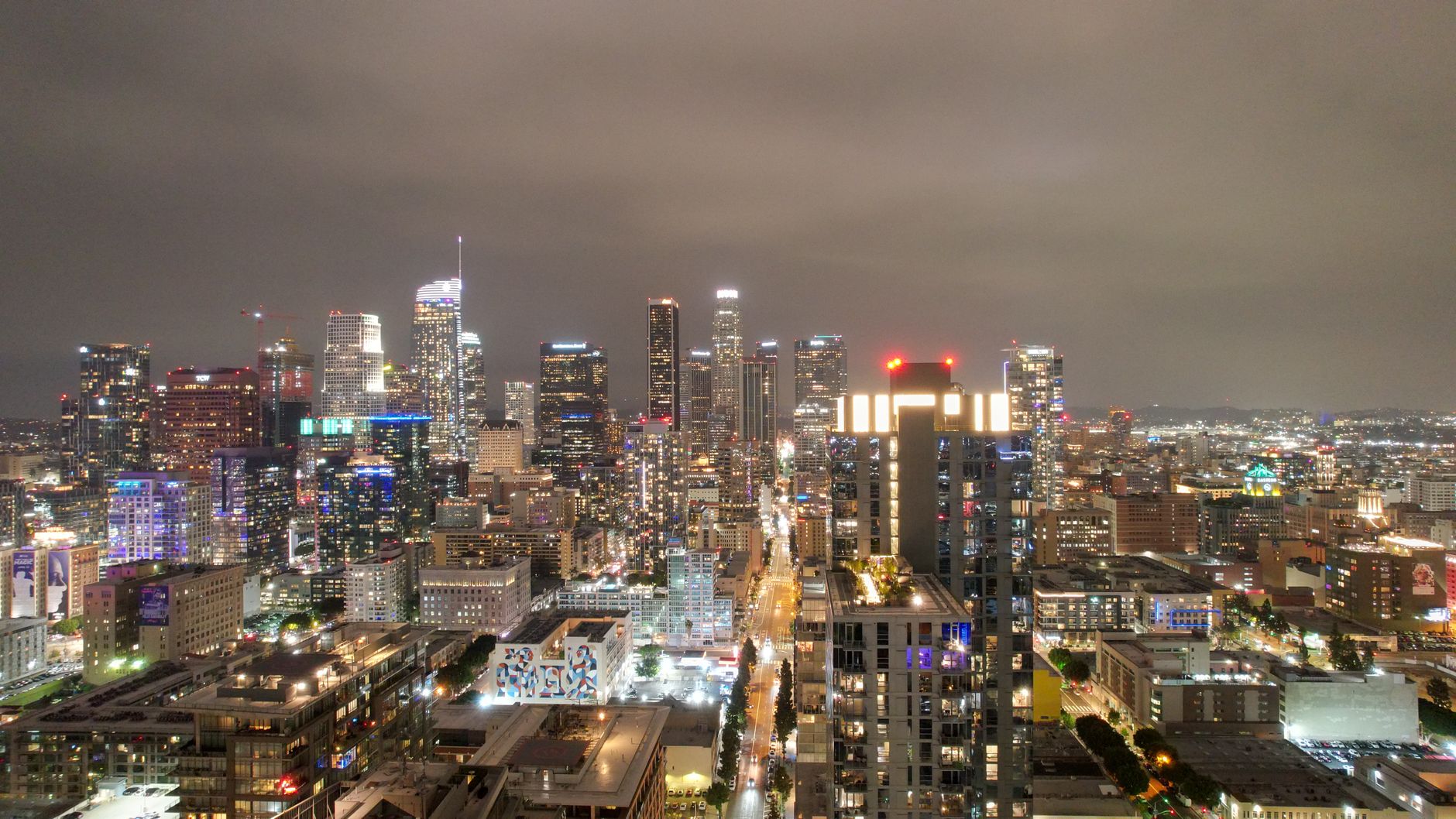
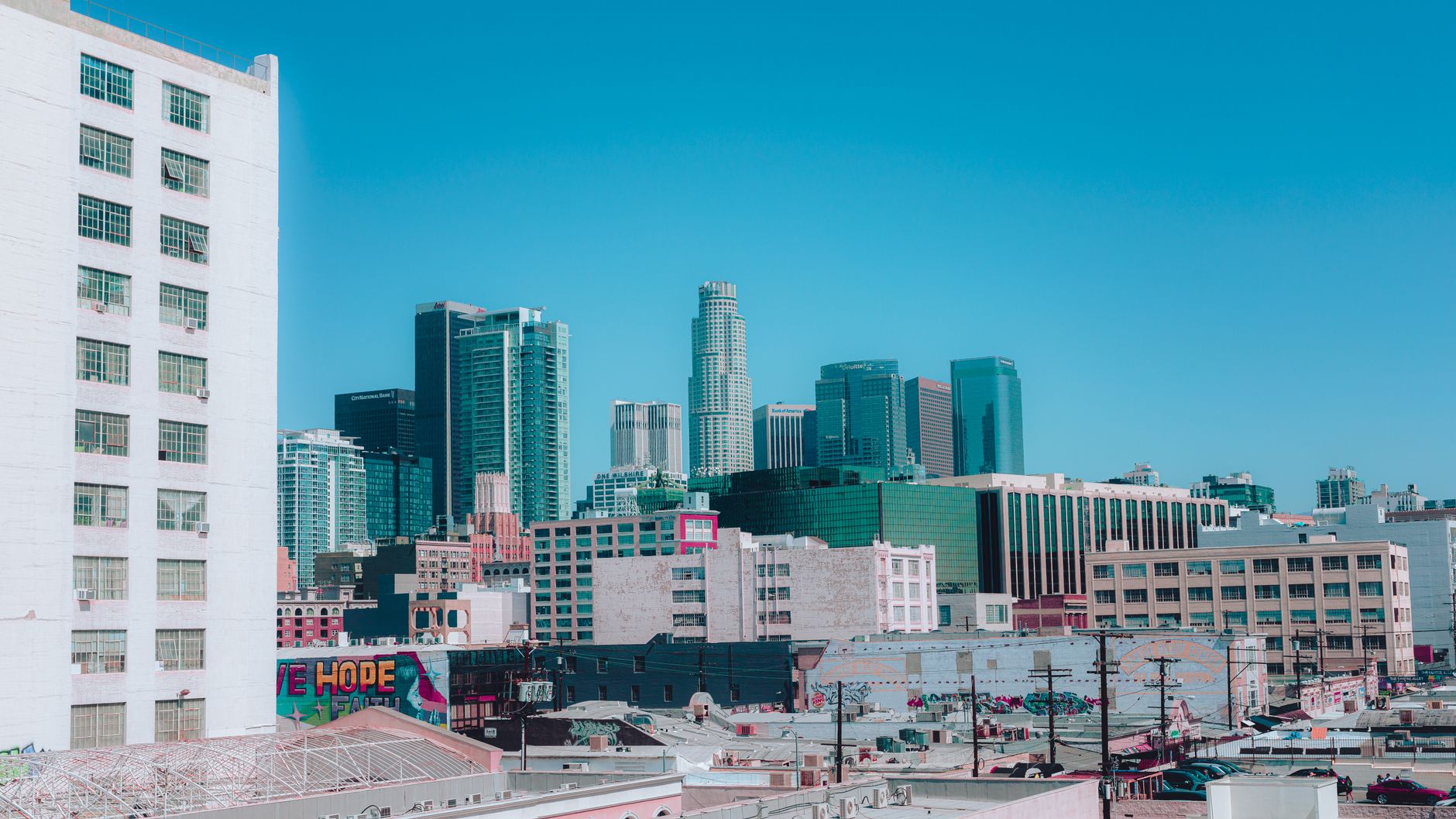
On a Tuesday evening in Echo Park, residents from a dozen different countries gathered at the park's recreation center to plan the summer community garden season. It's the kind of scene playing out across Los Angeles with increasing regularity—and it stands in stark contrast to the escalating anti-foreigner violence and neighborhood tensions convulsing cities from Johannesburg to Cape Town.
"We're not pretending divisions don't exist," says Maria Gonzalez, director of the Echo Park Neighborhood Council, which has spent the past two years developing integration initiatives. "But we're being deliberate about creating spaces where people work together on things that matter to the block."
Los Angeles has long grappled with neighborhood segregation—economically, racially, and by immigration status. Yet recent data suggests a different trajectory than many peer cities. The Los Angeles Times' analysis of city council records shows that 34 of the city's 51 neighborhood councils now run explicitly inclusive civic programs, up from just 8 in 2022.
Compare this to cities experiencing the opposite trend. In South Africa, anti-immigration marches have forced thousands of foreign nationals to flee their communities entirely. In parts of Europe, neighborhood associations have become flashpoints for xenophobic organizing. Meanwhile, Los Angeles neighborhoods like Koreatown, Boyle Heights, and Historic Filipinotown—areas that could easily have fractured into isolated enclaves—have instead developed sophisticated cross-cultural networks.
The Boyle Heights Partnership, a coalition of block associations and nonprofits serving the heavily Latino neighborhood, now runs 47 community programs addressing everything from youth employment to small business support. Critically, these initiatives are explicitly designed to include recent arrivals alongside multi-generational residents.
The model isn't perfect. Gentrification pressures continue to displace long-term residents along Sunset Boulevard and in Silver Lake. Housing costs remain punitive—median rents in Koreatown have climbed to $2,400 monthly for a one-bedroom. Yet the infrastructure for neighborhood solidarity persists.
What distinguishes LA's approach, according to urban integration researchers, is institutional investment. The city council allocated $8.2 million in 2024 specifically for neighborhood integration programming. The Neighborhood Councils system, while imperfect, provides formal mechanisms for diverse residents to collaborate on local governance.
As other global cities confront increasingly fractious community relations, Los Angeles offers an instructive case study: sustained investment in inclusive neighborhood infrastructure, combined with grassroots organizing, can redirect communities toward solidarity rather than division. The work remains fragile and ongoing, but the trajectory points elsewhere than what the world is currently witnessing.
This article was compiled by AI and screened before publishing. See our editorial standards.