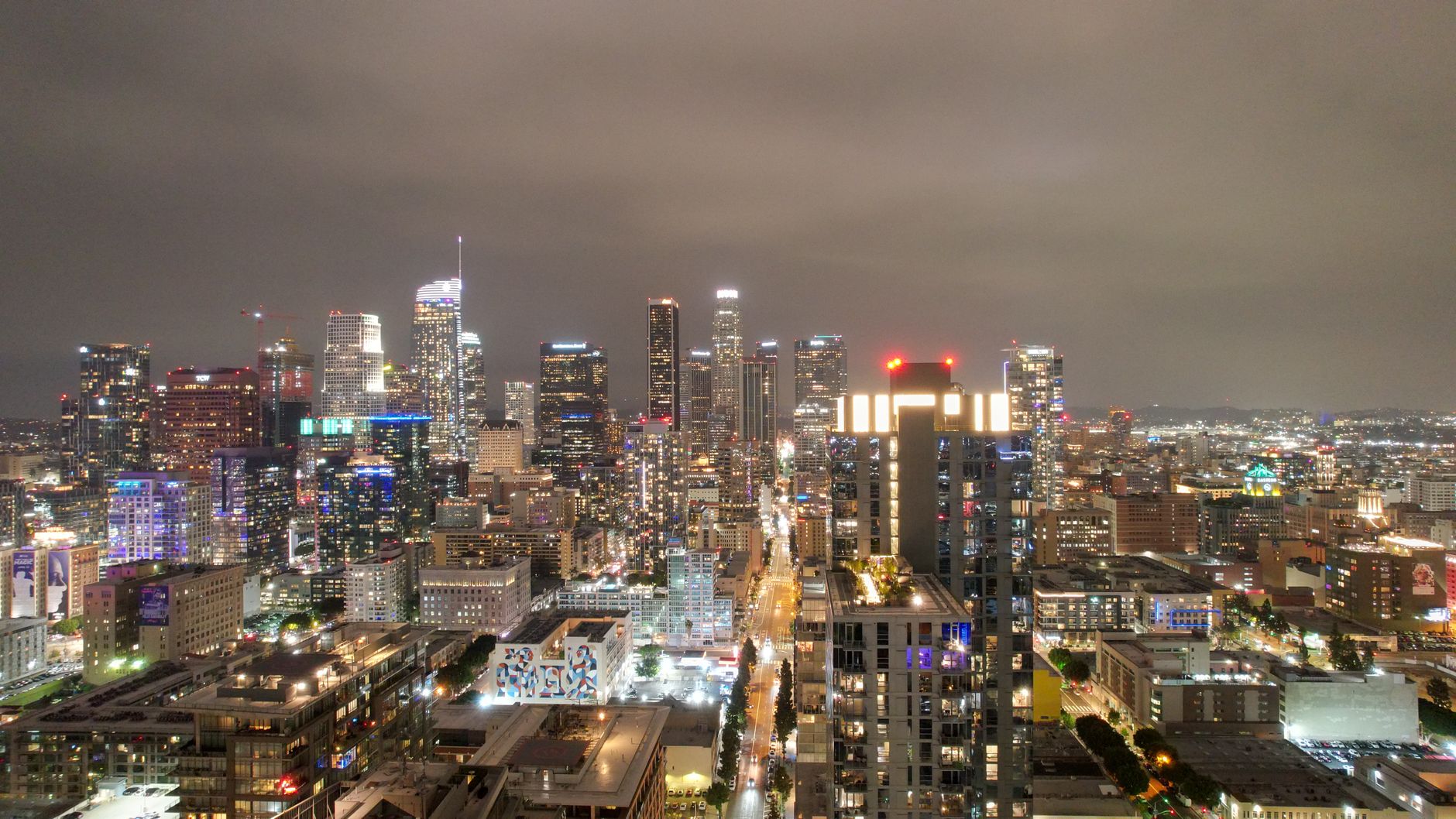
Los Angeles officials and urban policy experts gathered this week at the Downtown Convention Center to confront what many are calling an intractable crisis: the city's inability to build housing fast enough or affordably enough to meet demand. The conversation revealed deep disagreements about solutions, even as consensus emerged that incremental approaches have failed.
The median rent for a one-bedroom apartment in West Hollywood now exceeds $3,200 monthly, while homeownership in neighborhoods like Silver Lake and Los Feliz has become accessible only to the wealthiest households. City planners estimate Los Angeles needs approximately 500,000 additional housing units by 2035 to address current shortfalls and anticipated population growth.
At the summit, representatives from the LA City Planning Department emphasized zoning reforms as essential. A proposal currently under review would streamline approval processes for mixed-income developments along transit corridors—specifically along the Metro Purple Line extension through Koreatown and into Hollywood. "We need to reduce the timeline from environmental review to groundbreaking," one city official stated. "Current processes take four to seven years. We don't have that luxury."
Housing advocates and scholars from USC and UCLA offered different priorities. Several urged immediate action on vacant commercial-to-residential conversions, particularly in Downtown LA's sprawling office districts, which have seen significant vacancy since pandemic-era remote work became normalized. "We have buildings sitting empty on Spring Street and Broadway," noted a researcher from the Luskin School of Public Affairs. "Converting them is faster and cheaper than ground-up construction."
But real estate development representatives warned against over-regulating private construction. They pointed to rising labor costs and environmental compliance expenses that already inflate project budgets by 15 to 25 percent. "You can mandate affordability, but someone pays for it," said a representative from the Building Industry Association of Southern California. "The question is whether that cost gets passed to other residents or absorbed through other mechanisms."
Perhaps most divisive was the question of density. Proposals to allow fourplexes in single-family neighborhoods—a policy gaining traction in San Francisco and Portland—drew sharp reactions from residents in areas like Hancock Park and Brentwood. Community representatives argued such changes would fundamentally alter neighborhood character without adequately addressing homelessness or chronic vacancy in existing stock.
City officials indicated they would release a comprehensive housing strategy by September, incorporating feedback from this week's discussions. The plan will likely combine zoning changes, expedited approvals, and incentives for affordable units, though the balance between these approaches remains hotly contested.
This article was compiled by AI and screened before publishing. See our editorial standards.