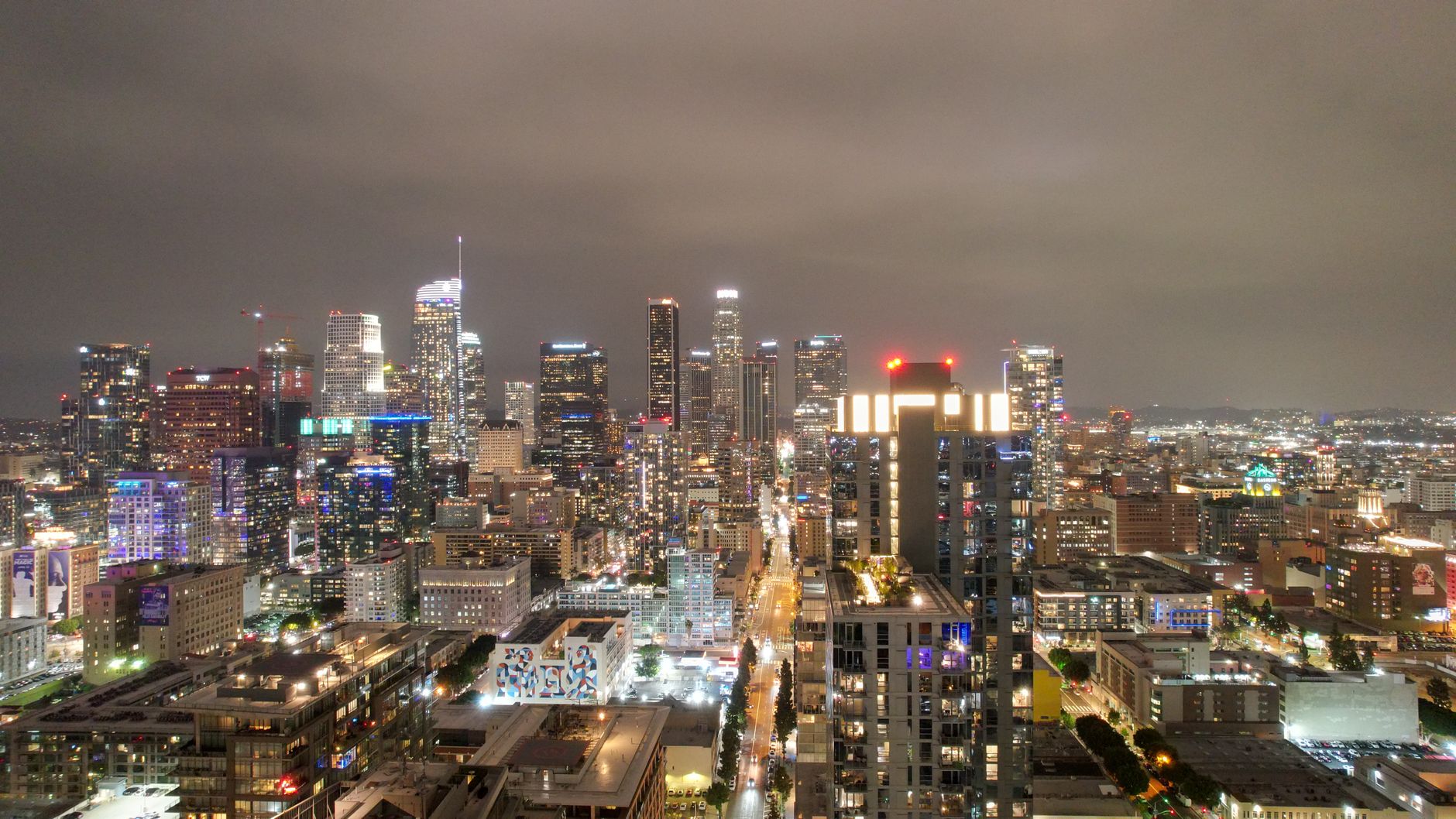
How Los Angeles Built Its Way Into a $150 Billion Transit Crisis
Decades of car-centric planning, sprawl, and deferred maintenance have left the region scrambling to modernize infrastructure that should have been reimagined a generation ago.
Decades of car-centric planning, sprawl, and deferred maintenance have left the region scrambling to modernize infrastructure that should have been reimagined a generation ago.
Listen to this article · 4:05
Los Angeles stands at a reckoning point. The region that once epitomized American automotive freedom now faces a transportation system buckling under the weight of its own success—and failures. Understanding how we arrived here requires looking back at the choices that shaped the city's infrastructure trajectory.
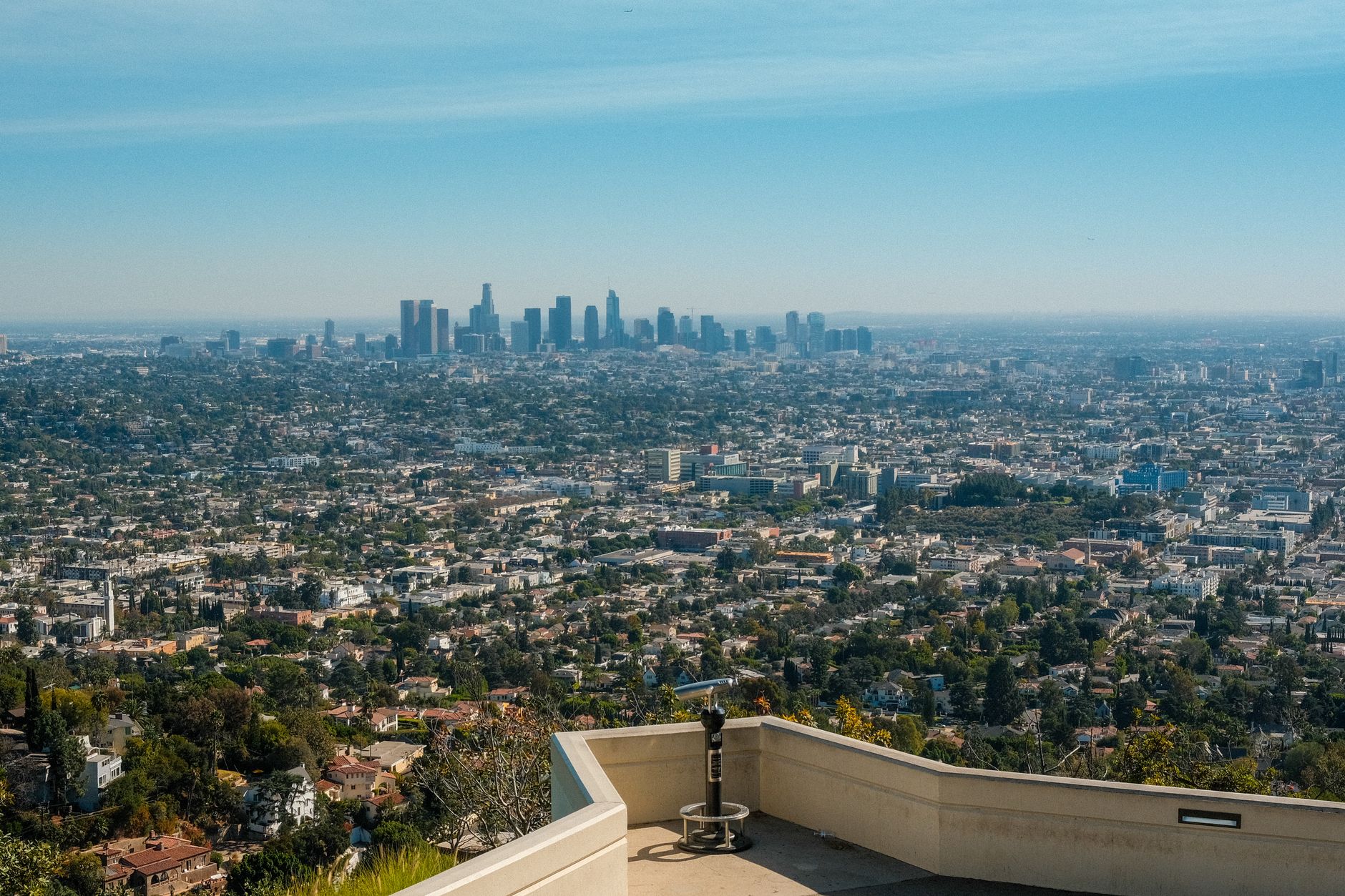
The postwar era fundamentally altered Los Angeles. The construction of the Santa Monica Freeway in 1966 and subsequent Interstate expansions promised seamless mobility but instead accelerated sprawl across Orange County, the San Gabriel Valley, and beyond. By the 1980s, the Los Angeles metropolitan area had sprawled across nearly 5,000 square miles, with 90% of residents dependent on automobiles. The Regional Transportation Commission, formed in 1976, struggled to coordinate solutions across fragmented county boundaries and competing municipal interests.
Transit investment lagged catastrophically. While cities like Chicago and New York maintained robust subway networks, Los Angeles dismantled its Red Car system decades earlier. The Metro Rail system, initiated in 1985, moved glacially. The Red Line didn't reach Hollywood until 1999—14 years after groundbreaking. The Gold Line to Pasadena opened in 2003. By contrast, serious transit planning in peer cities had already yielded functional networks.
Three factors converged to create today's crisis. First, the 1994 Northridge earthquake damaged freeway infrastructure, forcing temporary acceptance of transit alternatives that proved surprisingly viable. Second, population growth—Los Angeles County added 2 million residents between 1990 and 2020—overwhelmed existing capacity. Third, climate imperatives finally made car dependency untenable.
The bill came due spectacularly. Metro's operating deficit ballooned. Freeways designed for 100,000 daily vehicles now carried 300,000. The 405 corridor, serving 500,000 commuters daily, became synonymous with gridlock. Last-minute infrastructure fixes—the 110/101 interchange renovation, the Sepulveda Basin Transit Corridor proposal—addressed symptoms rather than root causes.
Current regional initiatives like the LA28 Olympic infrastructure program and expanded Metro bus rapid transit lines represent attempts at course correction. Yet these projects operate within constraints created by a century of car-first planning. The $150 billion infrastructure backlog, according to recent regional assessments, reflects not today's decisions but yesterday's.
Los Angeles didn't accidentally become a sprawling, car-dependent metropolis. It was deliberately built that way. Breaking that pattern—connecting Downtown LA to the San Gabriel Valley efficiently, linking Long Beach ports to job centers in Irvine, creating genuine alternatives to the 405—requires acknowledging that infrastructure reflects values. The city's current painful transition suggests those values are finally shifting.
This article was compiled by AI and screened before publishing. See our editorial standards.
How does this story make you feel?
Spread the word
About this article
Published by The Daily Los Angeles
Daily brief
Free, in your inbox before 7am. Weekdays.
More in News