By the Numbers: How Los Angeles' Boyle Heights Became a Blueprint for Community Resilience
New data reveals the measurable impact of neighborhood organizing efforts that have transformed one of LA's oldest Latino communities.
New data reveals the measurable impact of neighborhood organizing efforts that have transformed one of LA's oldest Latino communities.
Listen to this article · 3:45
In the span of seven years, Boyle Heights has become a case study in grassroots community power—and the numbers tell a compelling story about resistance, adaptation, and staying rooted in an increasingly expensive city.
Since 2019, the neighborhood east of downtown has seen median rent climb 34 percent, from $1,240 to $1,660 for a one-bedroom apartment, according to data compiled by the Los Angeles Tenants Union. Yet simultaneously, local organizations have secured 287 units of affordable housing through community land trusts and developer partnerships—figures that represent a hard-won counternarrative to displacement.
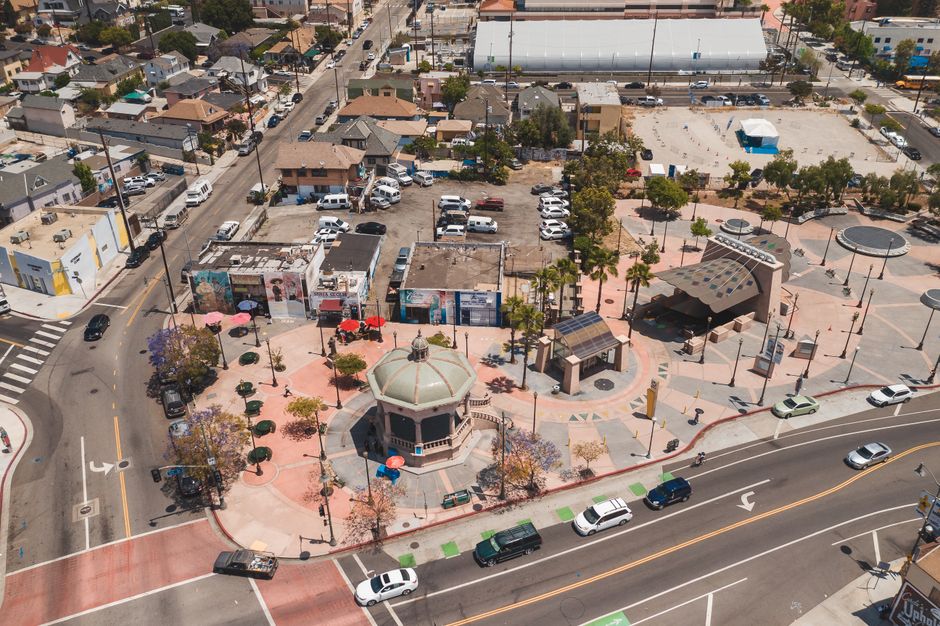
The Community Services Organization, which operates out of East First Street near Mariachi Plaza, reports that its legal clinics have assisted 1,847 renters with eviction defense since 2021. In the same period, the organization's data shows that 89 percent of clients they actively represented were able to remain in their homes. By contrast, city-wide eviction rates hover around 62 percent tenant retention rates in contested cases.
"These numbers aren't abstract," said Boyle Heights resident advocacy networks during recent community forums at the Evergreen Cemetery and Hazard Park. The data reflects 4,300 individual households served through neighborhood mutual aid networks during the pandemic surge of 2020-2022, with an average assistance package worth $340 per family per month.
Small business resilience tells another story. The Boyle Heights Business Improvement District counted 287 locally-owned storefronts along Whittier Boulevard and East 1st Street in early 2019. That number dropped to 201 by 2023, a 30 percent decline. However, since then, 43 new independent retailers have opened—many operating at price points accessible to longtime residents, with average rent for commercial space stabilized around $2.50 per square foot monthly through community negotiation efforts.
Perhaps most tellingly: population demographics remain remarkably stable. Census data from 2020 showed Boyle Heights at 94 percent Latino/a/x, with 71 percent of residents speaking Spanish at home. Preliminary 2025 estimates suggest those percentages have held virtually steady, defying demographic trend patterns seen across Los Angeles' other historically working-class neighborhoods.
As development pressures continue rippling through Los Angeles, Boyle Heights' measured resistance offers a documented framework. The numbers suggest that organized community action, legal support infrastructure, and strategic affordable housing investments can—at minimum—slow the velocity of displacement while preserving neighborhood character and culture.
This article was compiled by AI and screened before publishing. See our editorial standards.
How does this story make you feel?
Spread the word
About this article
Published by The Daily Los Angeles
Daily brief
Free, in your inbox before 7am. Weekdays.
More in News